
Last updated November 3, 2026
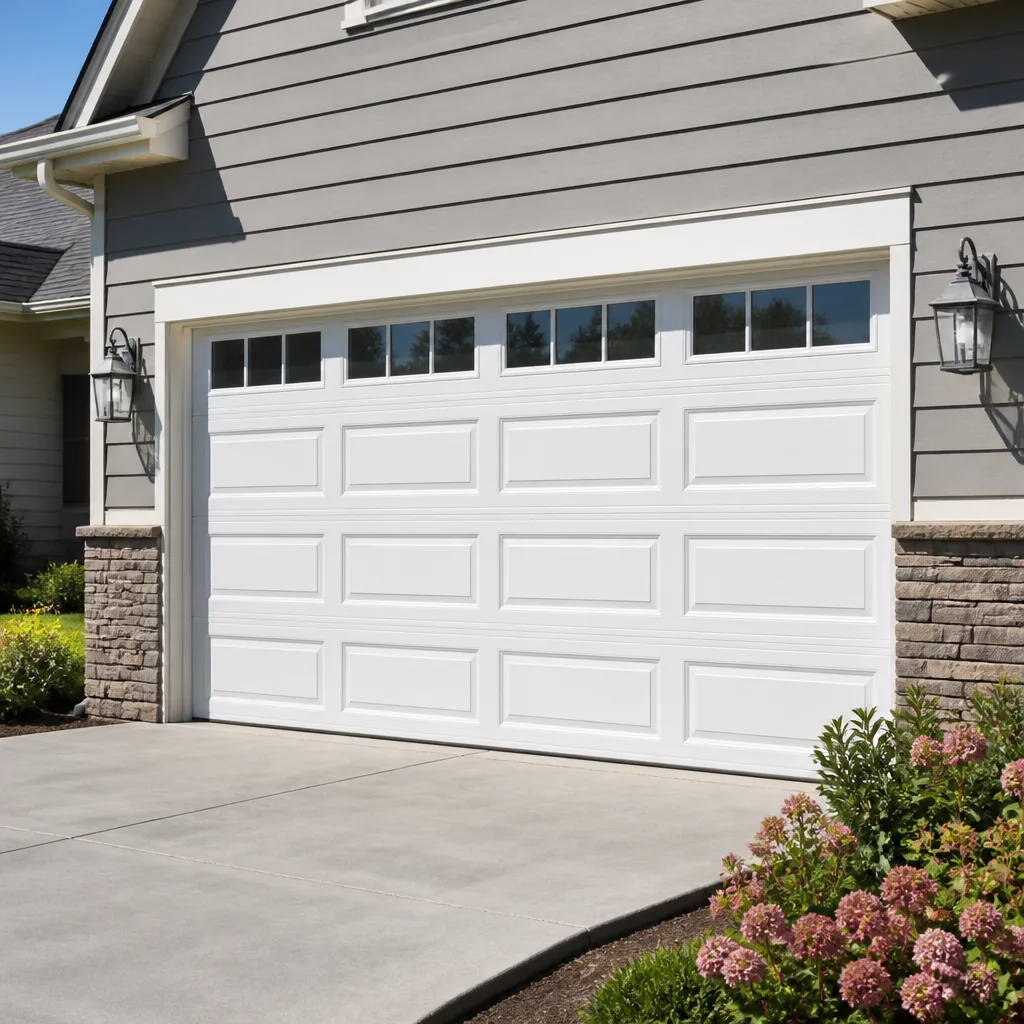 Raised-panel steel
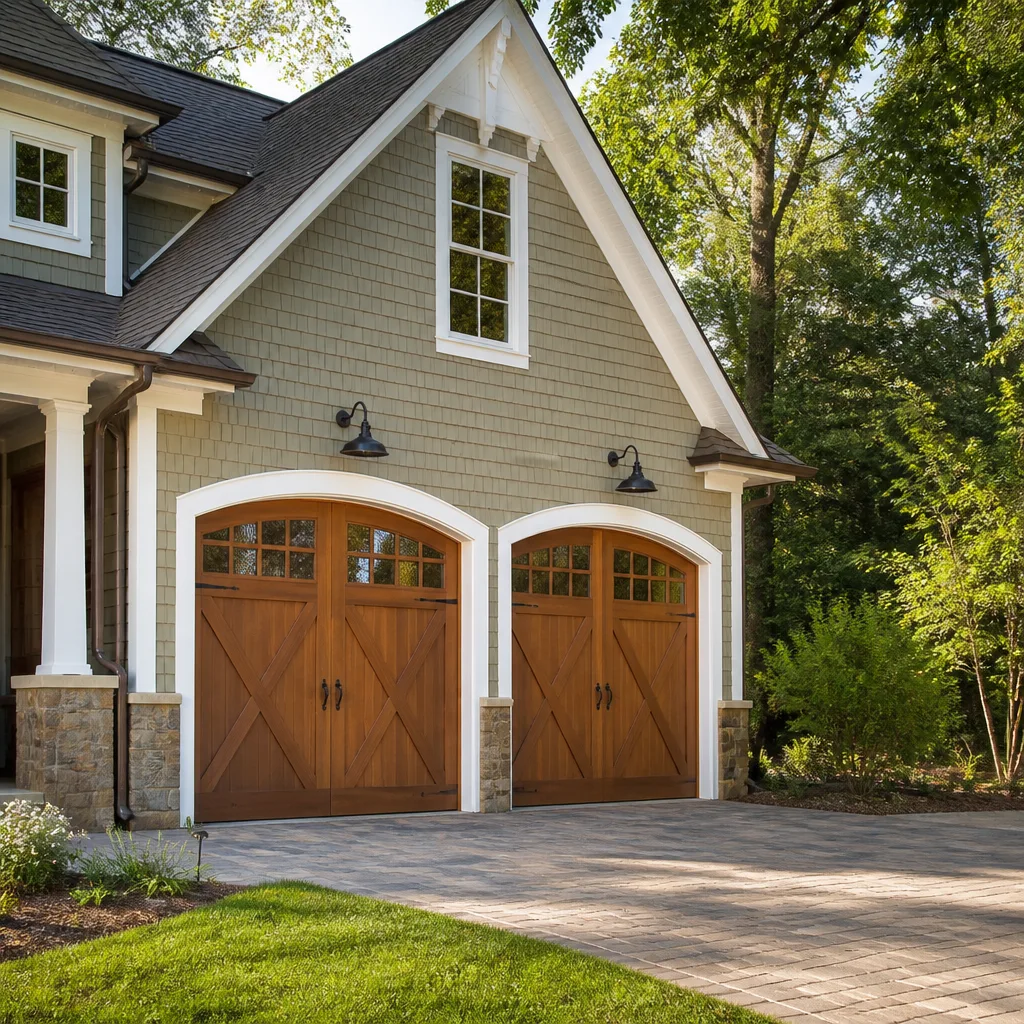 Carriage house
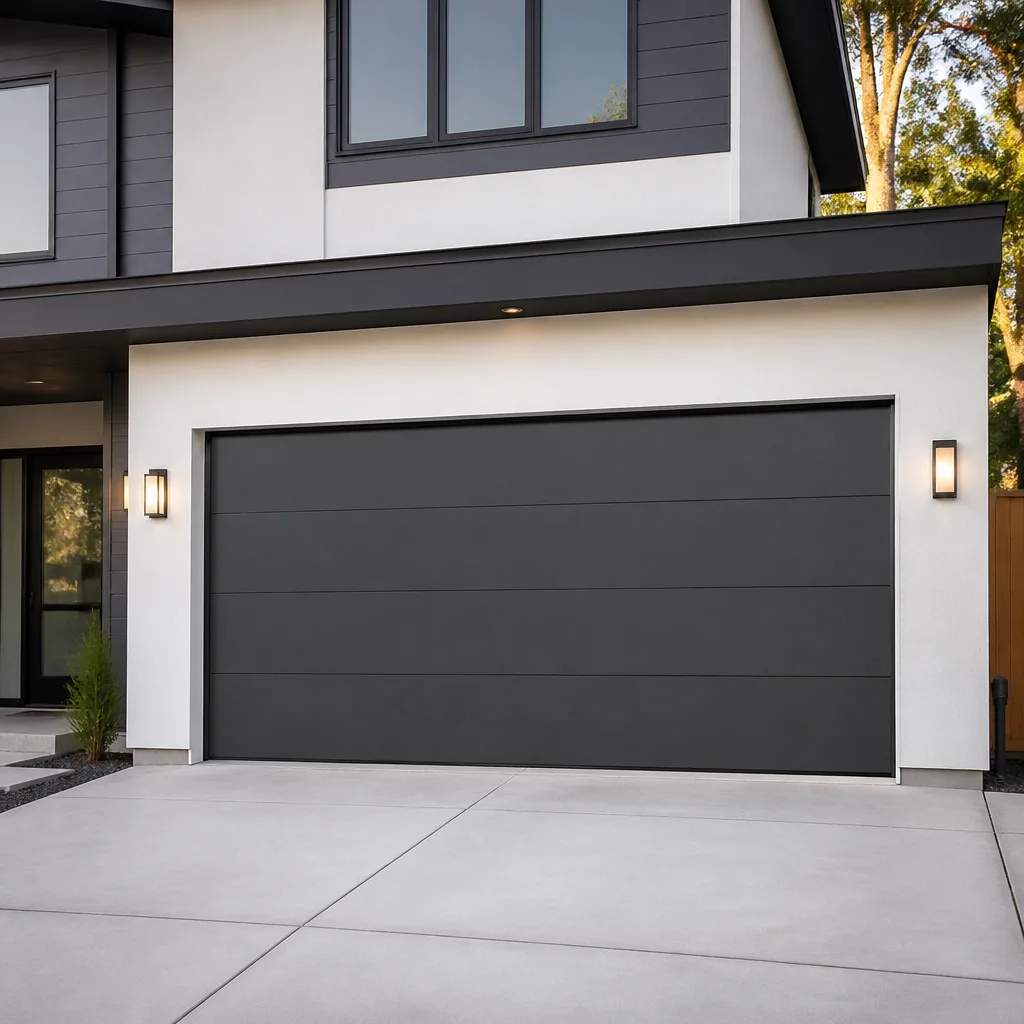 Modern flush
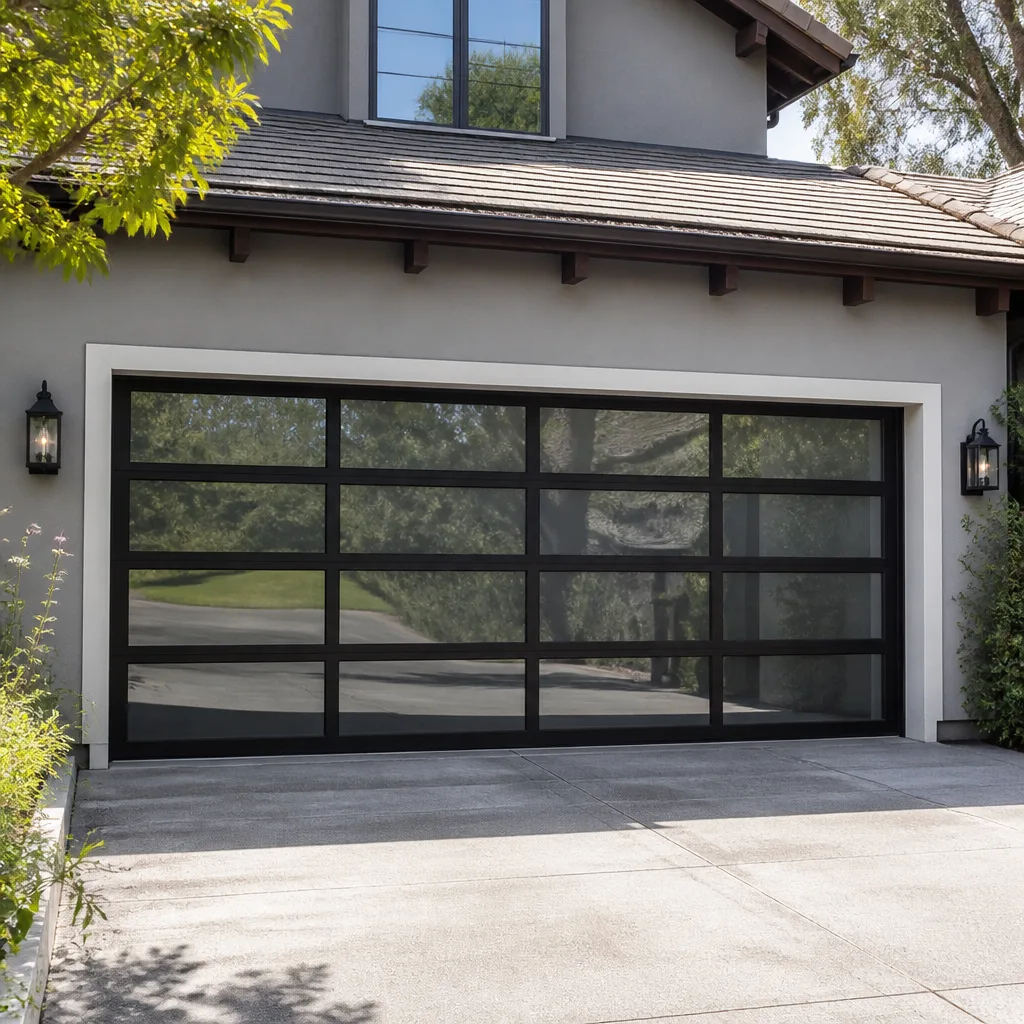 Full-view glass
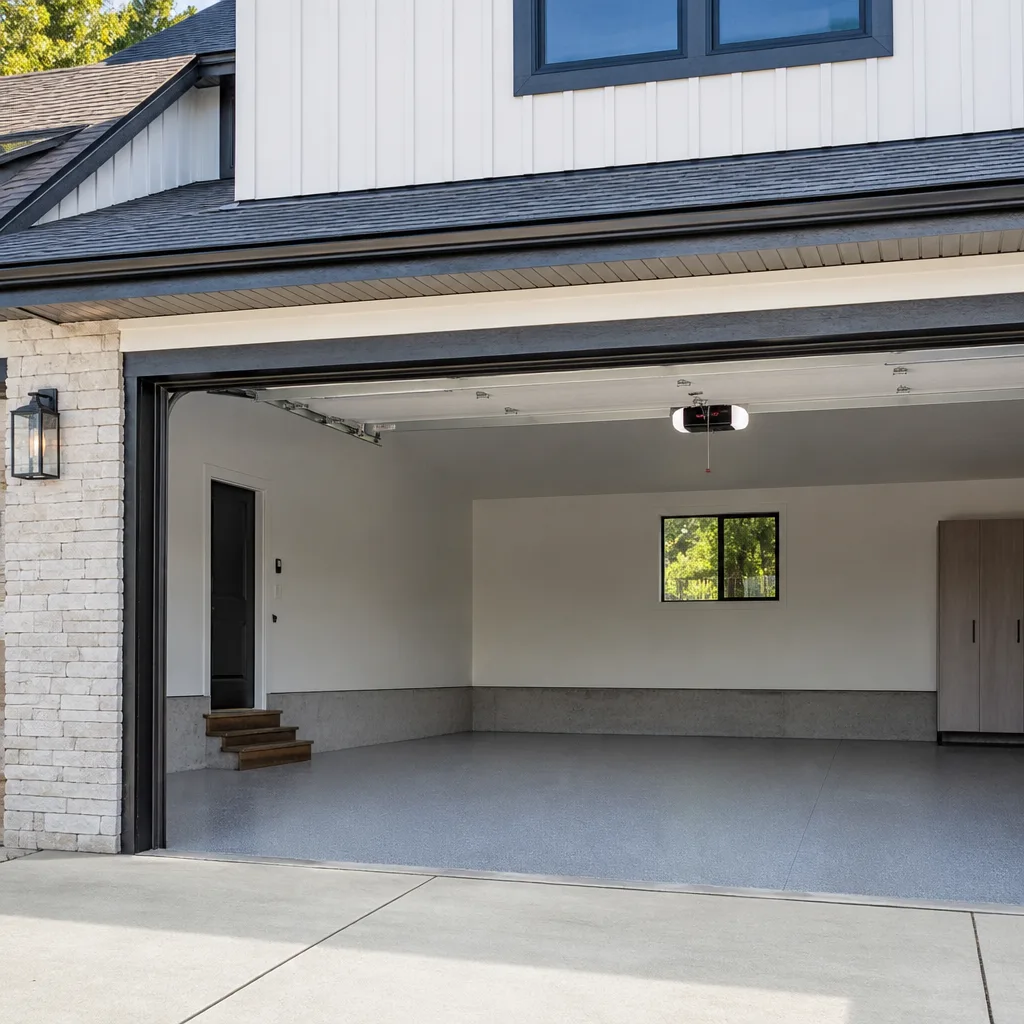 LiftMaster openers
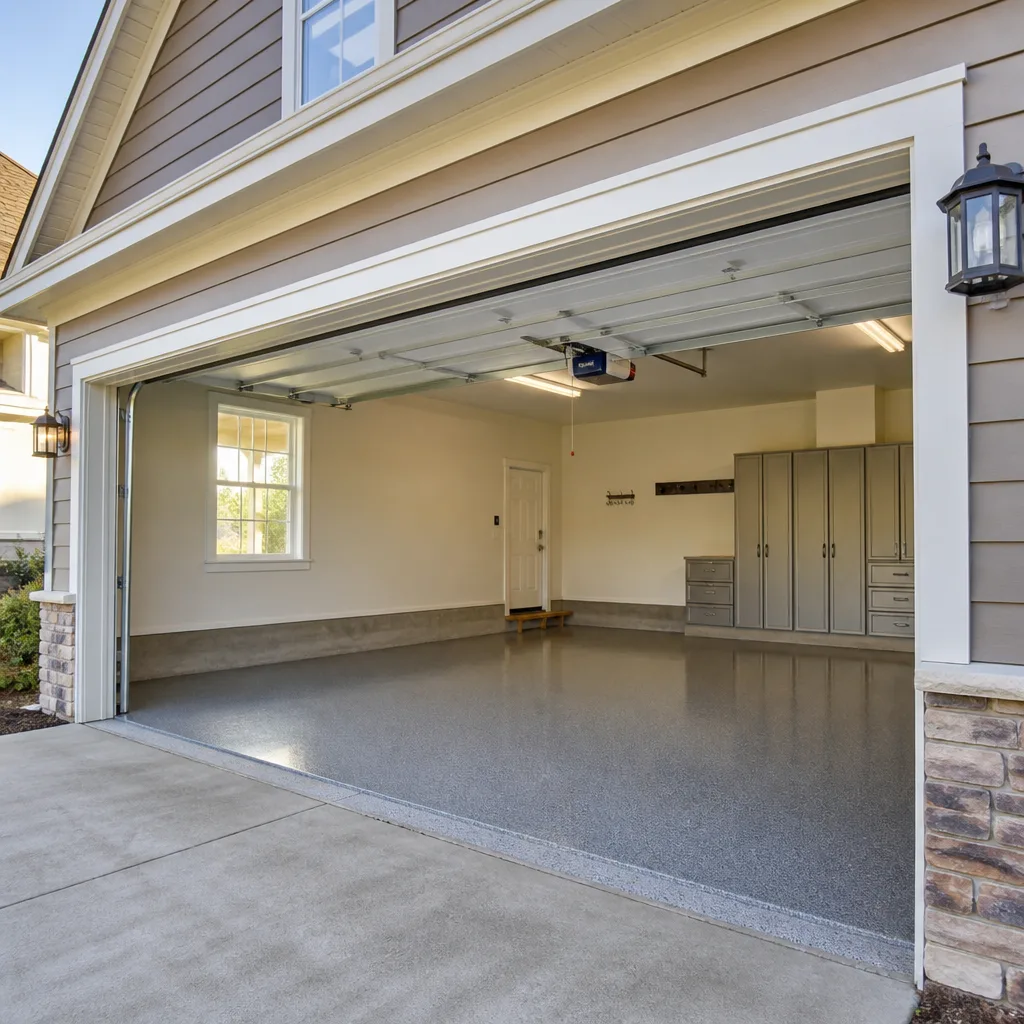 Chamberlain openers
Full 25-point door and opener safety check with every visit - springs, cables, rollers, tracks, and your LiftMaster or Chamberlain opener included
You get a price before we start. It does not change when the truck arrives.
Get your free estimateSeasonal Garage Door Care for Sunnyvale: Year-Round Homeowner’s Guide
Sunnyvale gets roughly 300 days of sun a year, yet most garage door failures here happen within 48 hours of the first real rain. Homeowners in colder climates spend October prepping for ice and snow. Here, the bigger threat is what happens when months of dry heat meet sudden moisture: metal contracts, seals that baked all summer crack open, and clay-heavy soil shifts overnight. This guide covers the two stress cycles that actually drive Sunnyvale garage door wear – the dry season and the wet season – plus the smoke-season maintenance almost nobody does. For more detail, see our Complete Guide to Garage Door in Sunnyvale. We’ll walk through what to check each season, what to leave alone, and when a repair call beats a DIY fix.
Quick Answer
Seasonal garage door maintenance in Sunnyvale comes down to two windows: a fall prep before the rains arrive (lubricate, seal-check, sensor cleaning) and a spring inspection after they end (track alignment, weatherstripping replacement, spring corrosion check). Because Sunnyvale’s climate cycles between extreme dry heat and concentrated wet periods rather than freezing winters, the components that fail most are bottom seals, exterior weatherstripping, and track hardware – not the opener motors or electronics. A basic seasonal check takes under 30 minutes and prevents most of the service calls we see every winter.
Styles & brands we work with
- Raised-panel steel
- Carriage house
- Modern flush
- Full-view glass
- LiftMaster openers
- Chamberlain openers
Table of Contents
- The Dry-Season Stress Cycle: What Sunnyvale Summers Do to Your Door
- Wet-Season Prep: Why October Is the Month That Matters Most
- Wildfire Smoke Season: The Overlooked Maintenance Trigger
- The Two-Window Year: One Spring Task, One Fall Task
- Reading Your Weatherstripping: What Sunnyvale’s Clay Soil Does
- Door vs. Opener: Which One Actually Needs Attention
- Common Mistakes to Avoid
- When to Call a Professional
The Dry-Season Stress Cycle: What Sunnyvale Summers Do to Your Door
From May through October, Sunnyvale sits in a rain shadow. Humidity stays low, temperatures climb into the 80s and 90s, and the sun beats directly on west-facing garage doors for hours each afternoon. That combination does three specific things to a garage door system, and none of them involve moving parts failing from use.
First, UV exposure breaks down the polymer structure in rubber bottom seals and vinyl weatherstripping. A seal that was pliable in March turns brittle by August. It develops hairline cracks you can’t always see from standing height. Second, painted steel panels on uninsulated doors absorb enough heat to accelerate paint oxidation – the chalky white film you can feel on the door surface. Third, and most overlooked: low humidity pulls moisture out of nylon rollers and bearing grease, leaving the door noisier in September than it was in June.
Here’s what to check during dry season, roughly once between June and August:
- Run the door with the opener disconnected. Pull the red release handle and lift the door manually. It should move smoothly with consistent resistance. A door that feels grabby or binds at mid-height is telling you about dry rollers or a track alignment issue.
- Inspect the bottom seal in daylight. Close the door, then look at the seal from inside the garage. Sunlight visible under the lowest point means the seal has shrunk or cracked. In Sunnyvale’s dry air, this happens faster than coastal homeowners expect.
- Check the weatherstripping on the door frame. The vertical strips along the sides and the top strip take direct afternoon sun on west-facing doors. Run a finger along them. Crumbly material is a replacement indicator.
- Listen for squeaks at the hinges and rollers. Dry-season noise isn’t always a failure, but it’s a warning. Light lubrication of the hinge pins with a garage-door-specific spray (never WD-40 on nylon parts) quiets most of it.
The dry season is also when we see the most garage door repair in Sunnyvale requests for snapped cables. It sounds backwards, but dry air accelerates rust on cables that had moisture trapped in them from the previous winter. By late summer, a corroded strand under tension gives way. The door drops unevenly, and that’s a situation where you stop using the door entirely until it’s fixed.
Wet-Season Prep: Why October Is the Month That Matters Most
The transition from October’s dry air to December’s moisture is the single most damaging window in Sunnyvale’s garage door calendar. Metals that spent six months expanding in heat contract when rain returns. The ground, baked hard all summer, doesn’t absorb early rain well – water pools around foundation edges and splashes up onto track hardware. And condensation forms inside the garage at night when warm daytime air meets cooling metal components.
For a Wayne Dalton or Amarr door, the wet season affects steel components first: hinges, track brackets, spring hardware. Surface rust starts in days. Without intervention, it becomes pitting within a wet season or two. For the opener, condensation on the logic board is rare but possible in uninsulated garages where a warm car parks inside on a cold night.
Here’s the fall prep sequence, in order:
- Clean the tracks. Use a dry cloth or compressed air to remove cobwebs, dust, and dry-season debris. Wet debris becomes sludge, and sludge grinding between rollers and track is how premature roller wear starts.
- Wipe down the springs with a light coat of garage-door spring lubricant. This is prevention, not repair. A thin film blocks moisture from sitting directly on the steel. Don’t overspray – a light coat does the job.
- Test the safety sensors. Place a broom handle in the door’s path and close it. The door should reverse on contact with the beam break. Moisture and dust on sensor lenses are the leading cause of “door won’t close” calls we field in December.
- Check that the weatherstripping makes full contact. After the first real rain, look for daylight or water marks at the bottom corners. Gaps widen when soil shifts, and Sunnyvale’s clay-heavy ground shifts more than most.
October is also the right time to schedule any opener service you’ve been putting off. A garage door opener repair in Sunnyvale done in fall means you’re not dealing with a dead opener the first morning you’re late to work in the rain.
Wildfire Smoke Season: The Overlooked Maintenance Trigger
Most seasonal maintenance guides never mention wildfire smoke. In Sunnyvale, that’s a miss. Smoke season now runs from July through November most years, and the fine particulate matter that drifts into garages does measurable harm to garage door systems.
The problem isn’t dramatic. It’s slow and cumulative. Smoke particles are extraordinarily fine – 2.5 microns or smaller. They settle on photoelectric sensor lenses, coating them with a film that reduces the beam’s range. The door still works, but the sensor’s “eye” gets progressively dimmer. Eventually, the door refuses to close because the beam can’t confirm the path is clear. The fix is simple: wipe the lenses with a dry microfiber cloth whenever the Air Quality Index in Sunnyvale spikes above 100 for three consecutive days.
The second smoke-related issue is track buildup. Smoke particles bind with the light oil residue on garage door tracks. The combination creates a sticky, dark film that attracts more dust. Over a heavy smoke season, track grime gets thick enough that rollers run through it like a car tire through mud. The door gets sluggish, the opener works harder, and the motor’s thermal overload circuit trips more often. A Craftsman or Raynor opener from the late 2000s or early 2010s is especially susceptible to this because those units run closer to their thermal limits by design.
In our experience, the single best smoke-season habit is a 5-minute track wipe-down at the end of the worst weeks. It’s free, it takes almost no time, and it prevents the grainy grinding sound that signals embedded grit in the rollers.
The Two-Window Year: One Spring Task, One Fall Task
If you’re only going to do two maintenance windows a year, do this: one task in spring, one in fall. The rest is insurance.
Spring task (after the last rain): check track alignment and roller condition. The wet season shifts Sunnyvale’s clay soil. Concrete slabs move a fraction of an inch – enough that a track that was perfectly parallel in September now angles inward or outward by a degree or two. You can spot-check this by running the door and watching the gap between the roller stem and the track edge. A door that wobbles or shudders on the way up has an alignment issue. Rollers should roll, not slide. Flat spots are a replacement item.
Fall task (before the first rain): replace the bottom seal and clean sensor lenses. The bottom seal is the cheapest part on the entire door and the one that prevents the most expensive damage. Water that gets under the door in winter sits on the concrete, wicks into the bottom panel, and starts rust from the inside. A new seal in October is $20 to $60 and a 30-minute job. That’s the single highest-ROI maintenance hour in Sunnyvale garage door care.
That’s it. Two tasks, roughly 45 minutes each, six months apart. Everything else in this guide supports those two moments. If you’re looking for a broader service visit, Commodore’s Commodore Garage Door Repair home page covers the full range of what we handle across Sunnyvale.
Reading Your Weatherstripping: What Sunnyvale’s Clay Soil Does
Sunnyvale sits on the edge of a broad alluvial plain where the soil runs heavy with clay. Clay absorbs water, expands, then contracts as it dries. That cycle moves concrete slabs by small but meaningful amounts over years. Garage slabs are particularly vulnerable because they’re usually poured as a single monolith with the driveway, and driveways settle differently than the house foundation.
The result, from a garage door perspective, is a floor that isn’t perfectly flat or perfectly level relative to the door. The gap under a closed door changes seasonally and varies from corner to corner. A bottom seal that fit flush in March might leave a quarter-inch gap at the left corner by November, even though the seal is still flexible and intact.
Here’s how to assess your weatherstripping for Sunnyvale’s specific gap patterns:
- Corner gaps that appear in fall and disappear in spring: soil expansion. The slab shifted. A thicker U-channel bottom seal usually resolves it, and it’s worth checking twice a year.
- A consistent gap along the entire bottom edge: seal wear or installation height. The seal lip has flattened from years of compression. Time for a replacement.
- Gaps at the top corners of the door that weren’t there in summer: track brackets loosened by seasonal expansion. Tightening is a quick fix, but stripped lag bolts need re-anchoring.
- Visible daylight through the side weatherstripping at floor level: the vertical seal has shrunk or detached from the jamb. In clay soil zones, this is often accompanied by a pest entry problem too – ants and rodents exploit the same gap.
One note: don’t try to re-level the door by adjusting the spring tension. That’s not what the springs are for, and it’s a high-tension component that requires trained hands. Alignment fixes go through the track brackets and limit switches, not the springs.
Door vs. Opener: Which One Actually Needs Attention
Homeowners tend to attribute garage door problems to the opener because that’s the part with the buttons and the lights. In Sunnyvale’s climate, the opposite is true. The door hardware fails first. The opener, in most cases, is just the messenger.
Think of it this way: when the door gets harder to lift because of dry rollers or misaligned tracks, the opener has to work harder to compensate. It pulls more amps, runs hotter, and wears its gears faster. A LiftMaster or Chamberlain opener that burns out in Sunnyvale usually didn’t fail on its own – it was overworked by a door that needed attention months earlier. The same logic applies to Genie and Craftsman units: the door’s mechanical health determines the opener’s lifespan.
This is why we approach them as one integrated system. Garage door installation in Sunnyvale isn’t just about the panel – it’s about matching the door weight to the opener capacity, the spring cycle rating to the expected use, and the track radius to the available headroom. A door and opener that are mismatched will chronically underperform, no matter how good each component is individually.
For existing systems, the seasonal checklist applies to both halves. Door side: springs, cables, rollers, hinges, tracks, bottom seal. Opener side: force settings, safety reversal, sensor alignment, limit switches, gear wear on older units. Checking both takes about 20 minutes once you know what you’re looking for. We work on what you already have, which means a visit from us starts with a straight diagnosis – not a pitch for a new door. Check out our Complete Garage Door Repair Guide for Sunnyvale Homeowners for what to expect.
Common Mistakes to Avoid
- Lubricating the track. Tracks should stay dry. Grease on tracks collects dust, and in Sunnyvale’s summer, that mix bakes into a gritty paste that accelerates roller wear. Lubricate hinge pins, rollers, and springs – not the track rail.
- Using WD-40 on nylon rollers. WD-40 is a solvent and degreaser, not a lubricant for this application. It strips the oil from nylon roller bearings and shortens their life. Use a silicone or lithium spray formulated for garage doors.
- Adjusting springs without the right tools. Torsion springs are under hundreds of pounds of tension. The winding bars aren’t optional. This is the one task where the injury risk is severe enough that we tell every homeowner to call a professional, even if they’re mechanically inclined.
- Ignoring a noisy door because “it’s always done that.” A door that rattles through its travel has something loose. Loose hardware gets looser. By the time the noise becomes a bang, the fix costs more than the early intervention would have.
- Replacing the opener when the door is the problem. If the door is heavy, misaligned, or has failing springs, a brand-new opener will simply wear out faster trying to compensate. Diagnose the door first.
- Waiting until the first rain to check weatherstripping. By the time water gets under the door, the seal has been failing for weeks. Sunnyvale’s dry summer hides the damage until moisture reveals it. Fall checking is prevention; winter checking is repair.
- Assuming west-facing doors age the same as north-facing ones. In Sunnyvale, a west-facing door takes direct afternoon sun year-round. Its paint, seals, and weatherstripping degrade faster. If you have a west-facing Amarr or Wayne Dalton door, do the dry-season checklist twice, not once.
When to Call a Professional
Some seasonal maintenance items are genuinely homeowner-appropriate: wiping sensors, cleaning tracks, checking seals. Others aren’t. A broken spring, a frayed cable, a track that’s visibly bent, or a door that won’t stay open when disengaged from the opener all require specialized tools and real risk management. If you’re hearing a grinding noise from the opener’s gear assembly or seeing metal shavings under the unit, don’t run it further – that’s a fire hazard in the motor housing.
Commodore Garage Door Repair offers free estimates in Sunnyvale – call (877) 358-3130. We work on eight major brands, including LiftMaster, Chamberlain, Genie, Clopay, Amarr, Wayne Dalton, Craftsman, and Raynor systems. One call covers the door and the opener.
See the difference
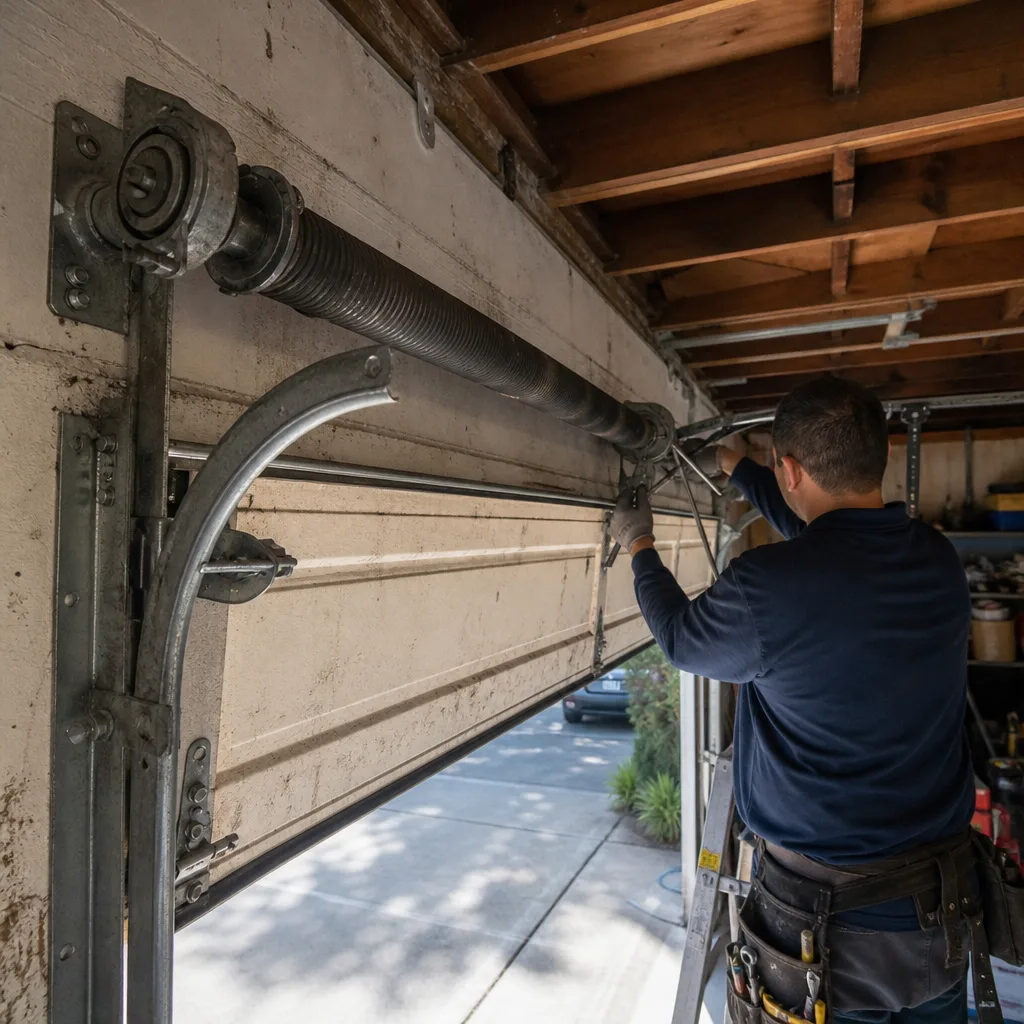 Before
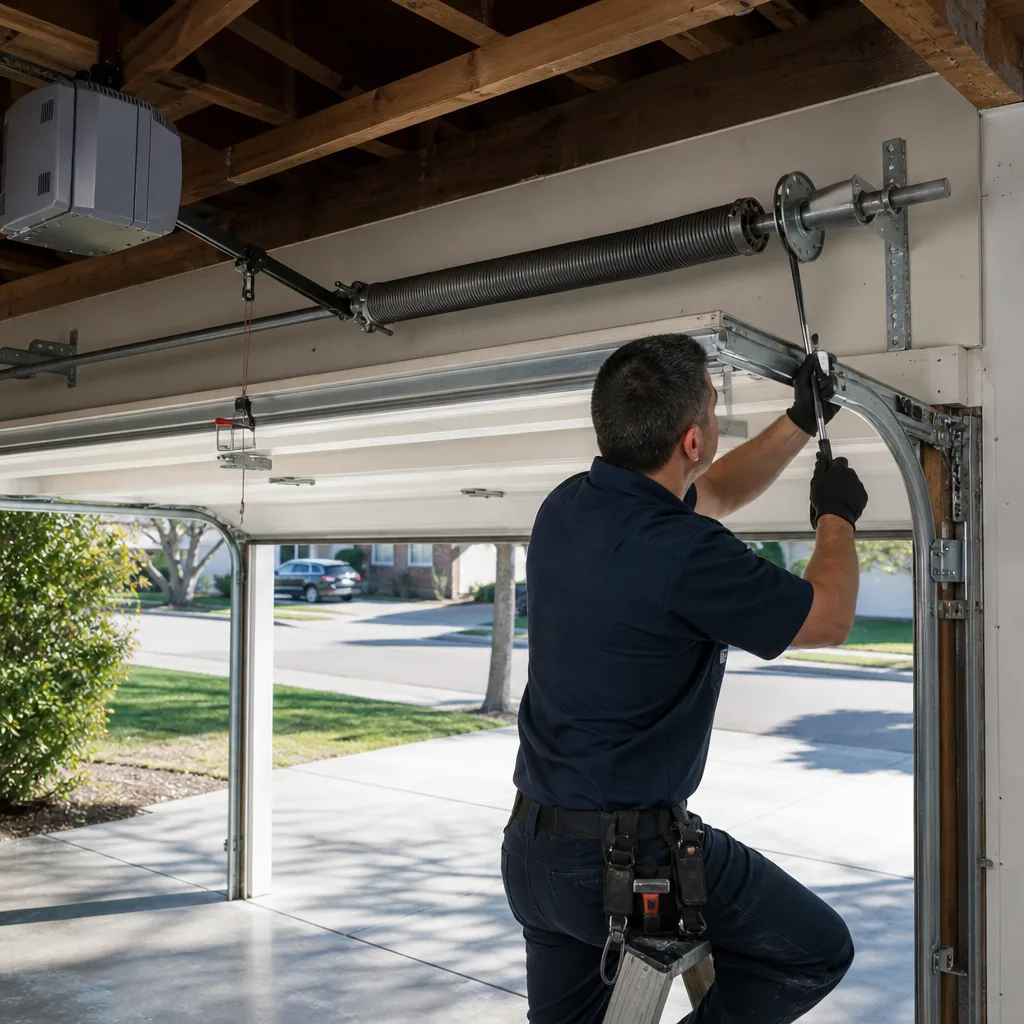 After
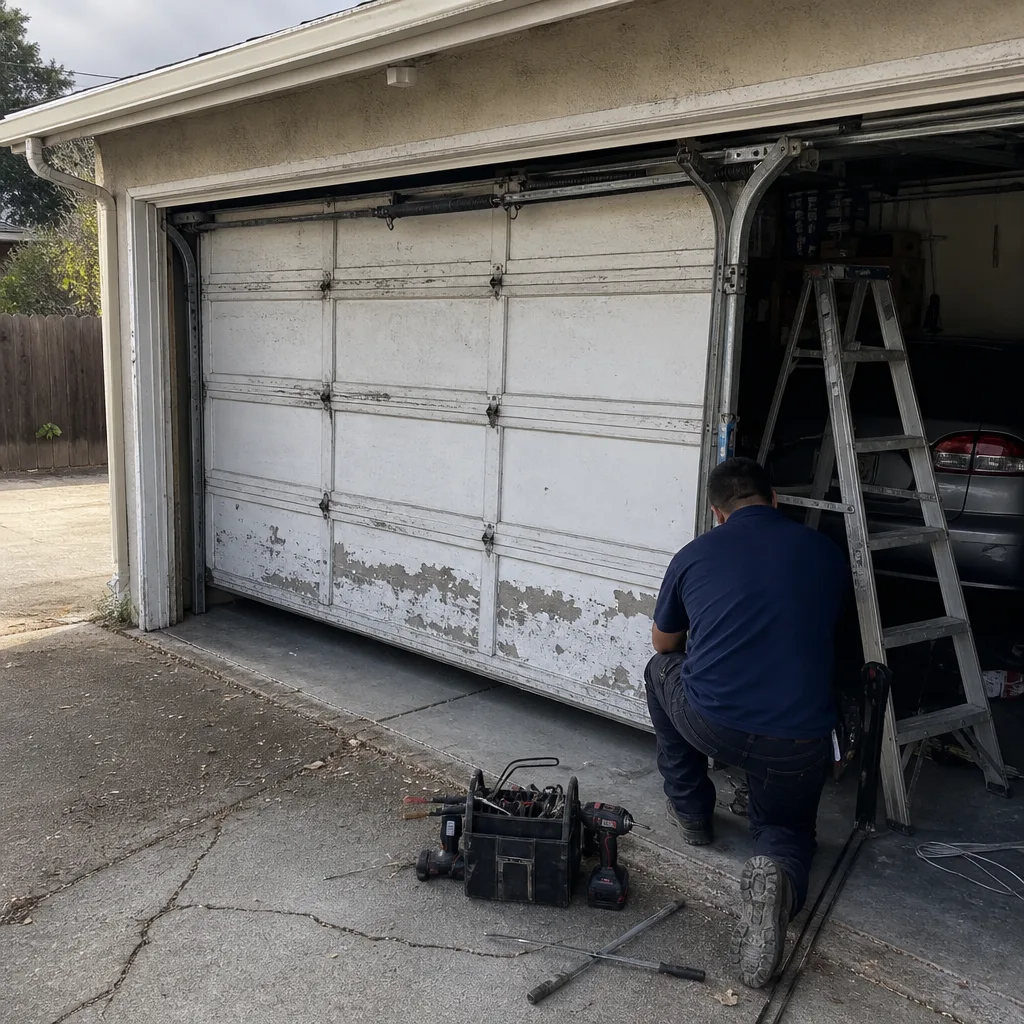 Before
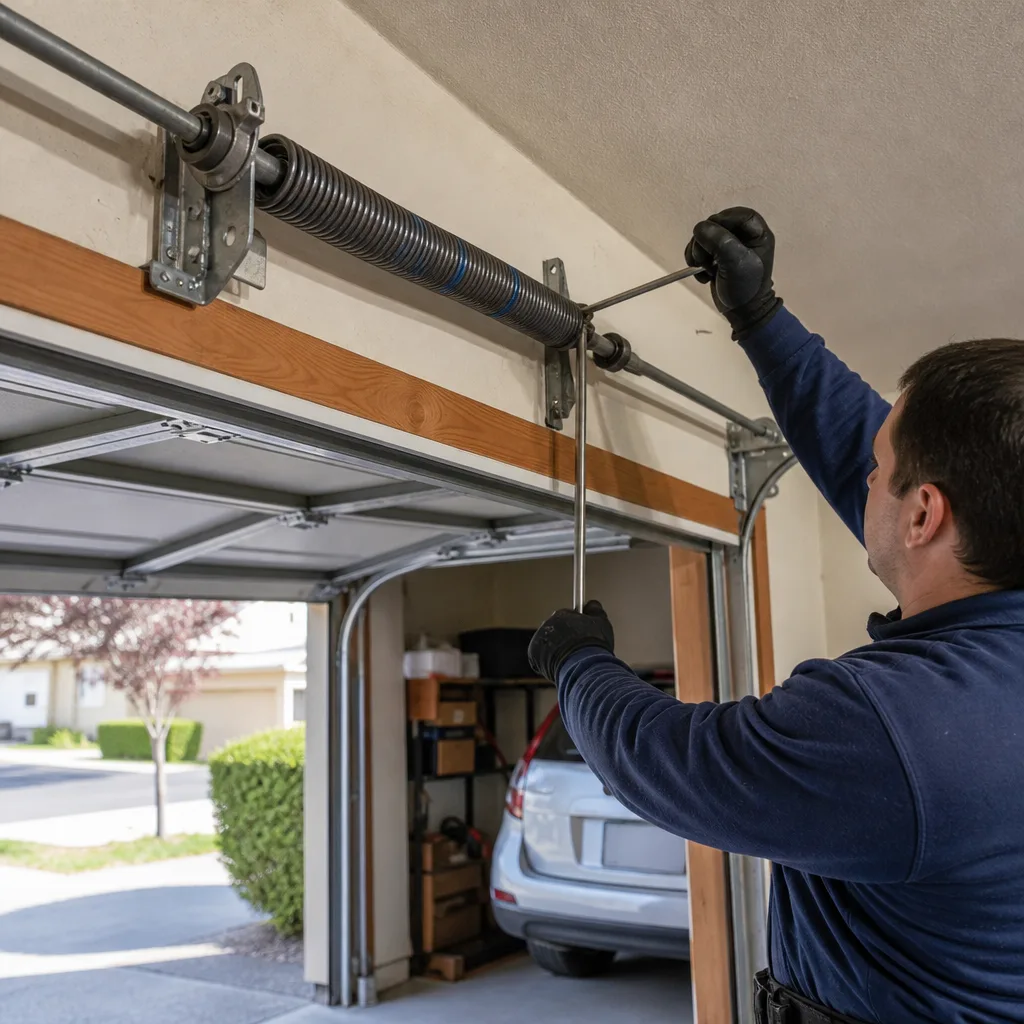 After
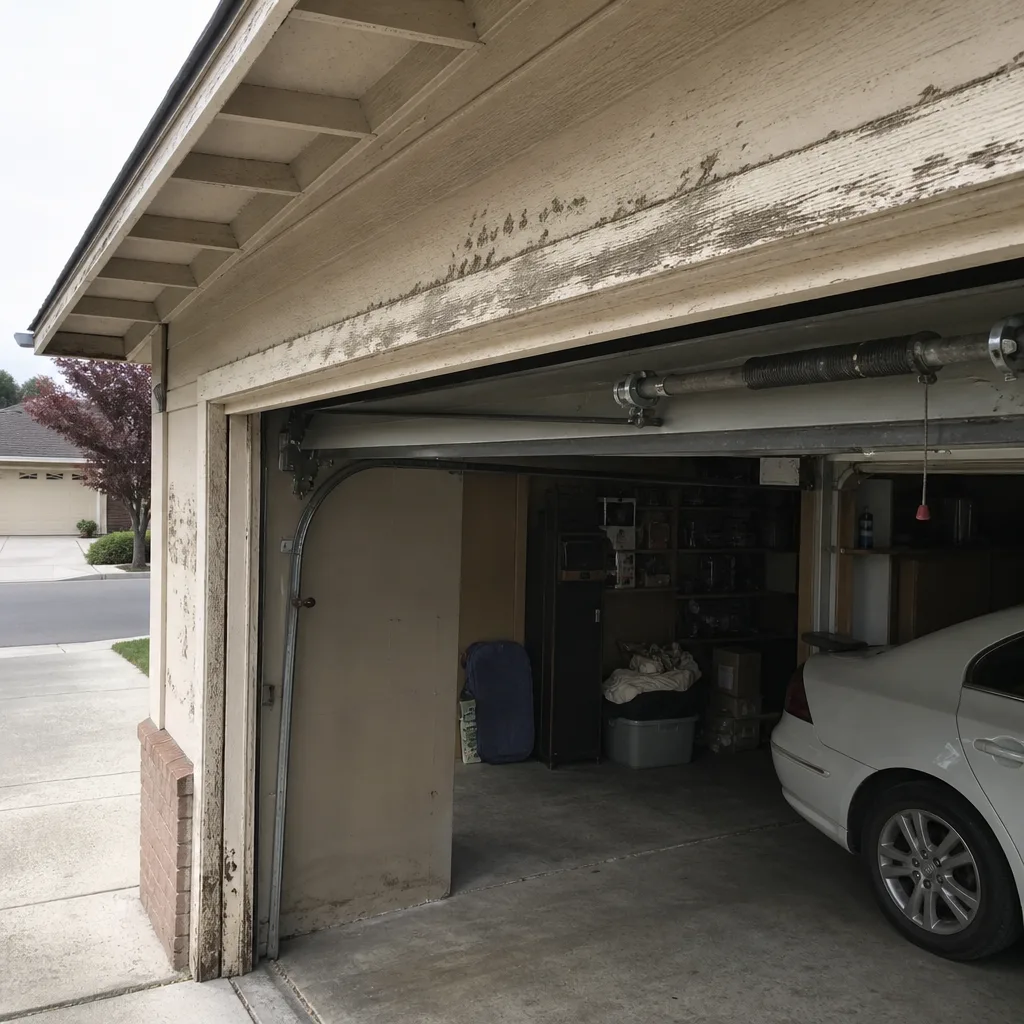 Before
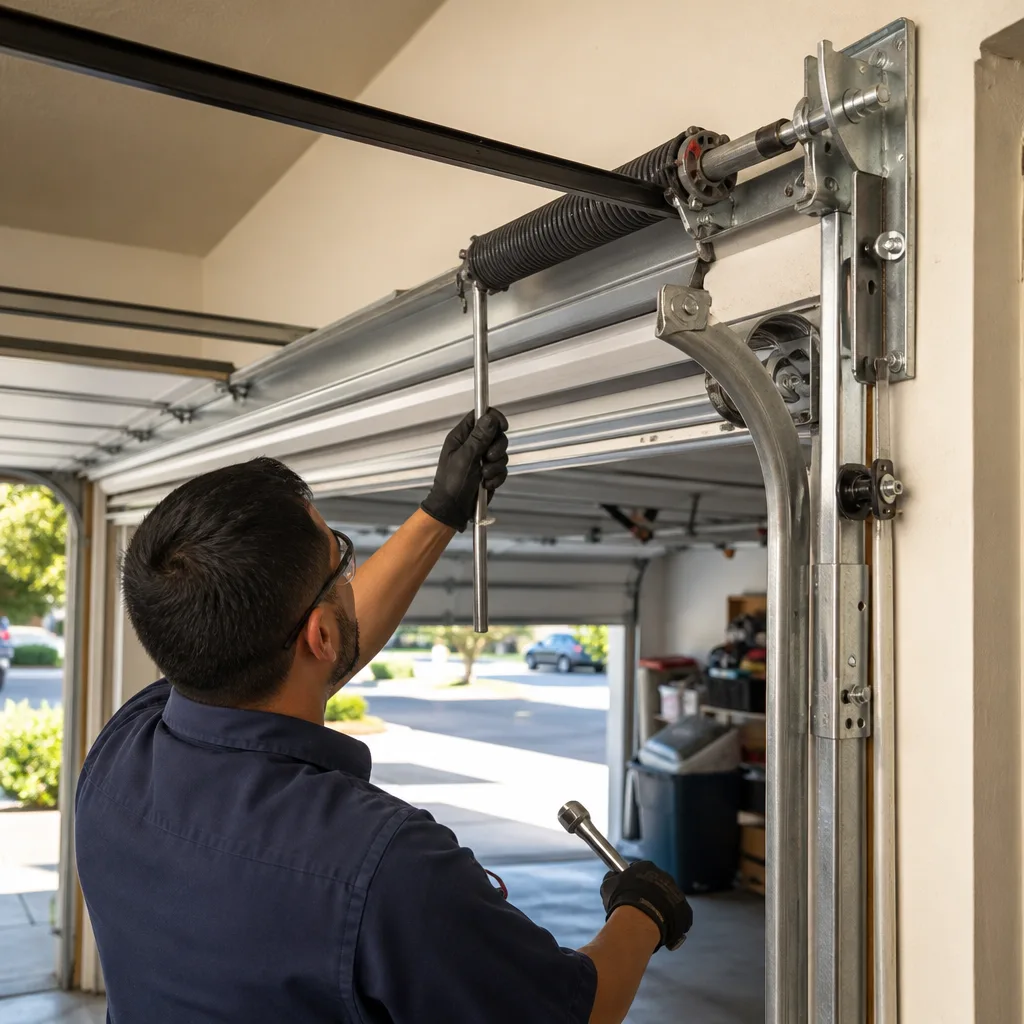 After
Frequently Asked Questions
Twice a year is right for Sunnyvale’s climate: once in March after the rains end, and once in October before they start. Each visit takes 30 to 45 minutes if you’re handling the homeowner-level tasks (cleaning, inspecting, lubricating) yourself. If you’d rather have it done professionally, an annual tune-up and inspection catches the issues that need a trained eye.
The bottom seal failing during the dry-to-wet transition in late fall. It’s the cheapest part on the door and the one most homeowners ignore. Dry summer heat hardens the rubber, and the first rains find the cracks. We see more seal replacements in November and December than in all other months combined.
It doesn’t damage the door structurally, but it degrades performance. Smoke particles coat sensor lenses and build up in track lubricant, making the door operate more slowly and the sensors less reliable. If smoke season is heavy, wipe down the tracks and sensor lenses every two weeks until the air clears.
You can apply a light coat of spring lubricant without touching the spring’s tension mechanism, and that’s safe to do. What you shouldn’t do is adjust the spring tension itself. Torsion springs carry enough stored energy to cause serious injury. Lubricate, yes. Adjust, no.
An off-track door usually shows visible symptoms: the door tilts to one side, the gap between door and frame is uneven, or the rollers are no longer seated in the track. A noisy-but-aligned door will still close flush. If the door wobbles side to side while moving, stop using it and have the alignment checked. Call (877) 358-3130 for a diagnosis in Sunnyvale.
Yes, especially if your door is more than eight years old or makes noise during travel. A tune-up typically includes lubricating moving parts, checking spring balance, testing safety sensors, tightening hardware, and inspecting the door’s overall condition. It’s the difference between catching a worn spring in December (a $200 repair) and having that spring snap at 7 a.m. on a workday (a $350 repair plus the time and stress).
The Bottom Line
Sunnyvale’s garage door season is binary: dry stress and wet stress. The dry months harden seals, bake paint, and dry out rollers. The wet months rust springs, shift tracks, and expose every gap the summer heat created. Two focused maintenance windows – spring alignment, fall sealing – prevent the vast majority of failures. Skip the work, and the bill comes due in December, usually at the worst possible moment. The patterns are predictable, which means the prevention is too. Browse more guides & resources for year-round garage door care.
If you want a second set of eyes on the door or the opener, we’re a phone call away. Commodore Garage Door Repair works on what you already have, from LiftMaster openers to Clopay and Raynor doors, with straight diagnosis and no upsell pressure. Estimates in Sunnyvale are free – call (877) 358-3130 and we’ll give you a clear picture of what’s needed and what can wait.
Written by the team at Commodore Garage Door Repair, serving Sunnyvale since 2015.