
Last updated November 3, 2026
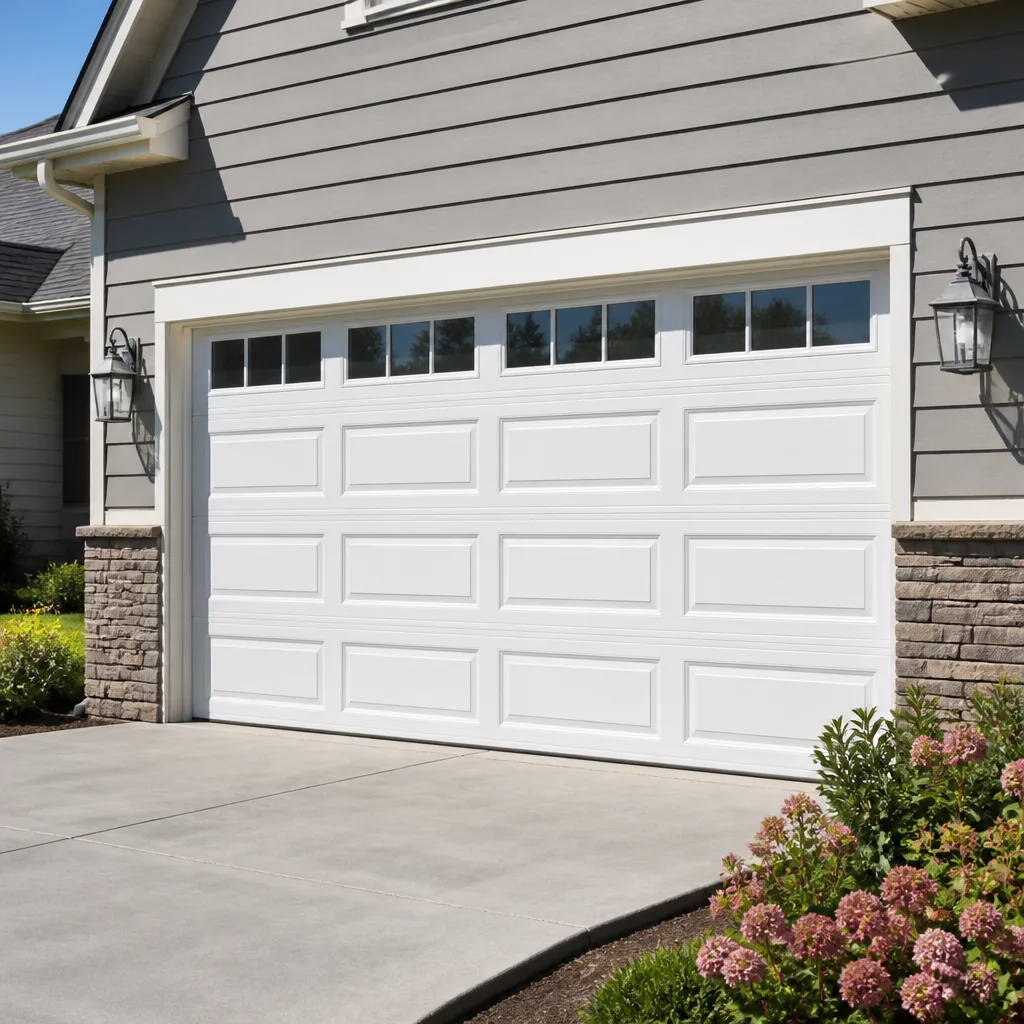 Raised-panel steel
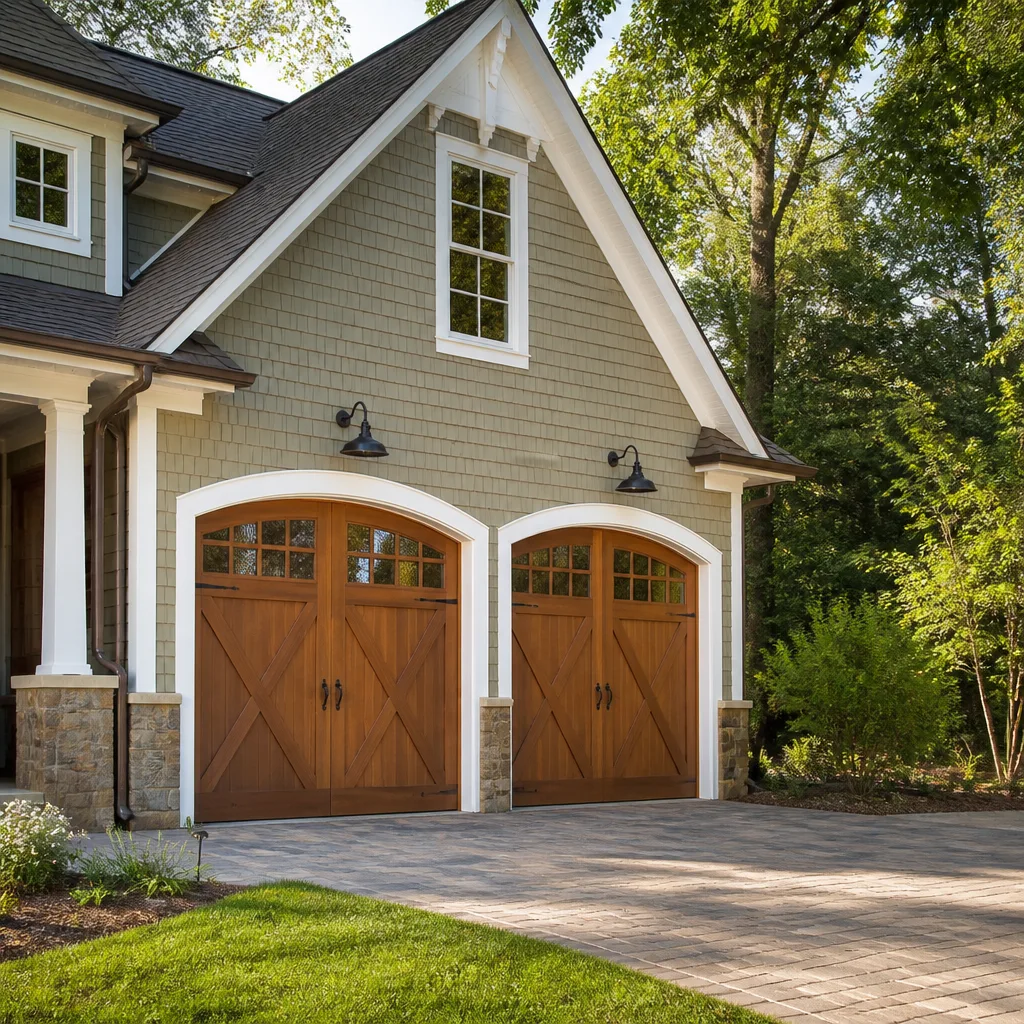 Carriage house
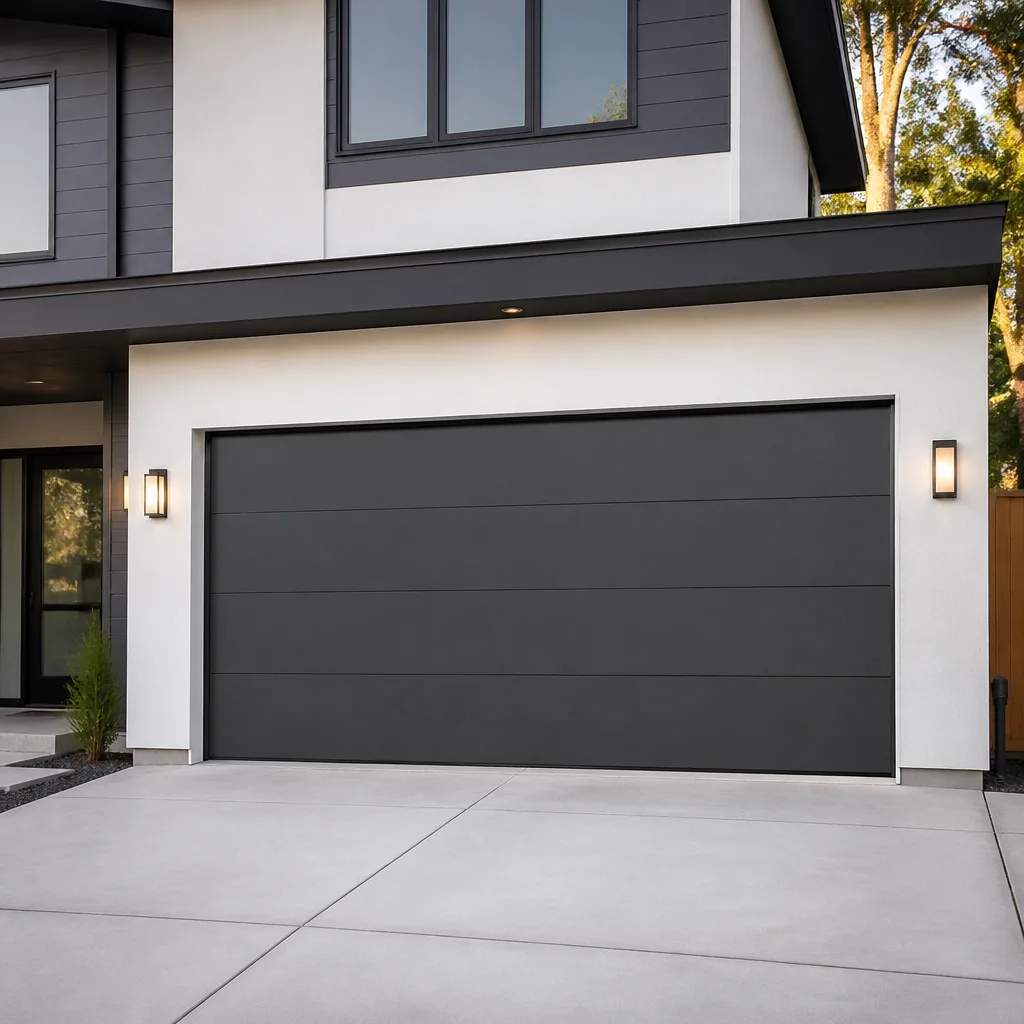 Modern flush
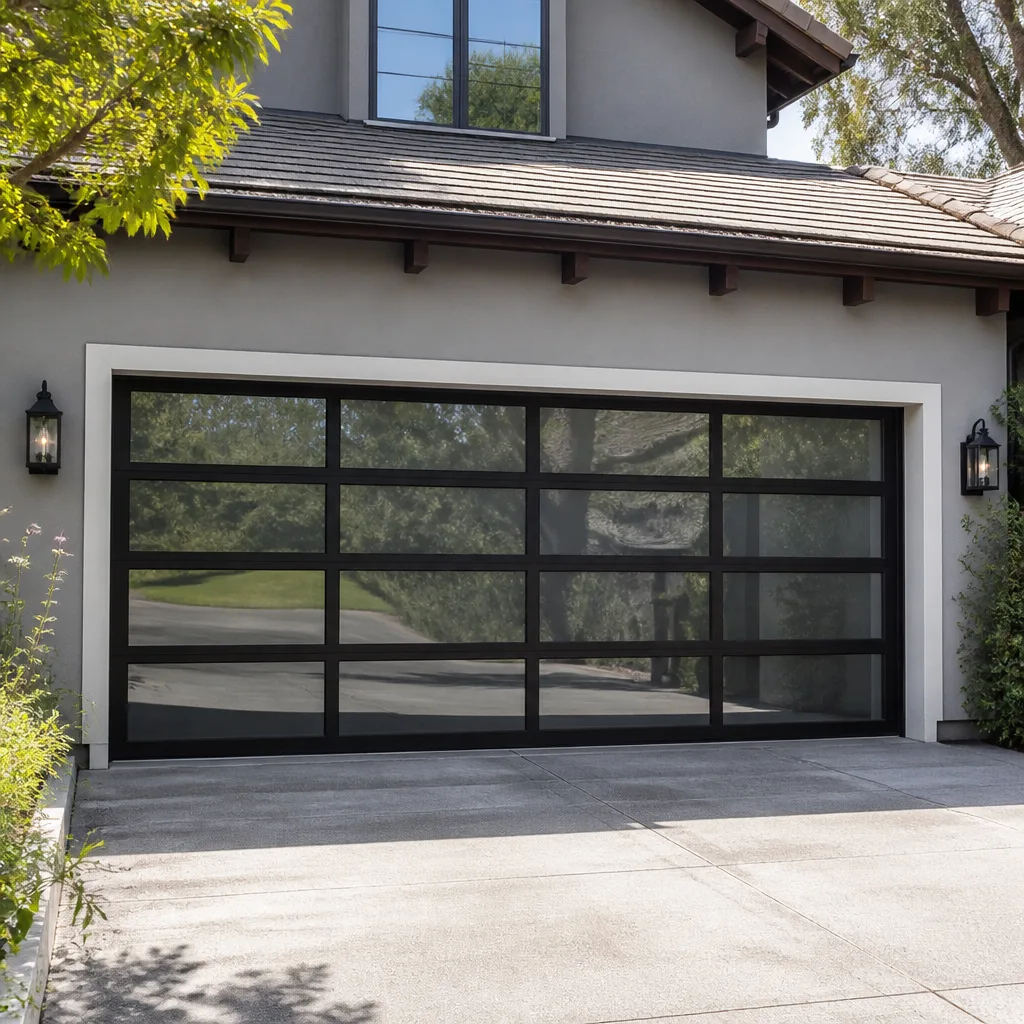 Full-view glass
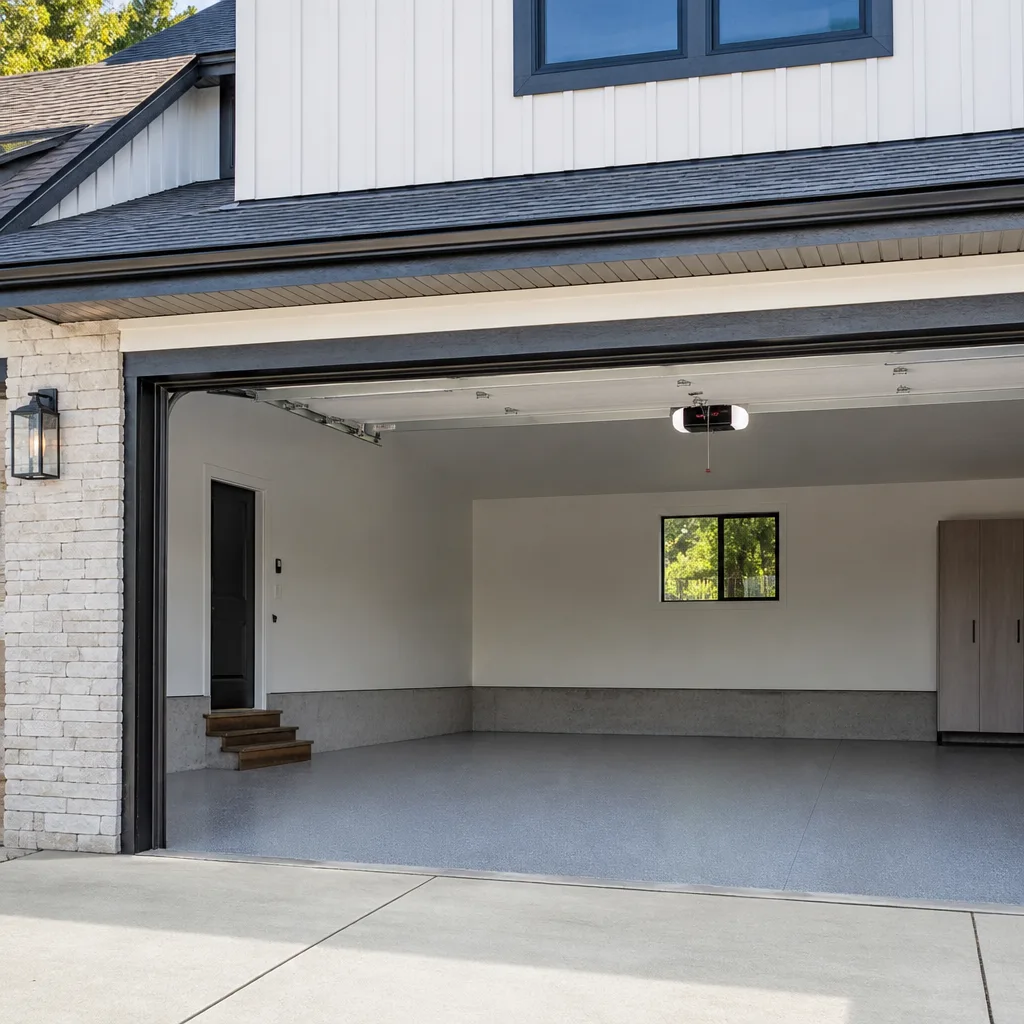 LiftMaster openers
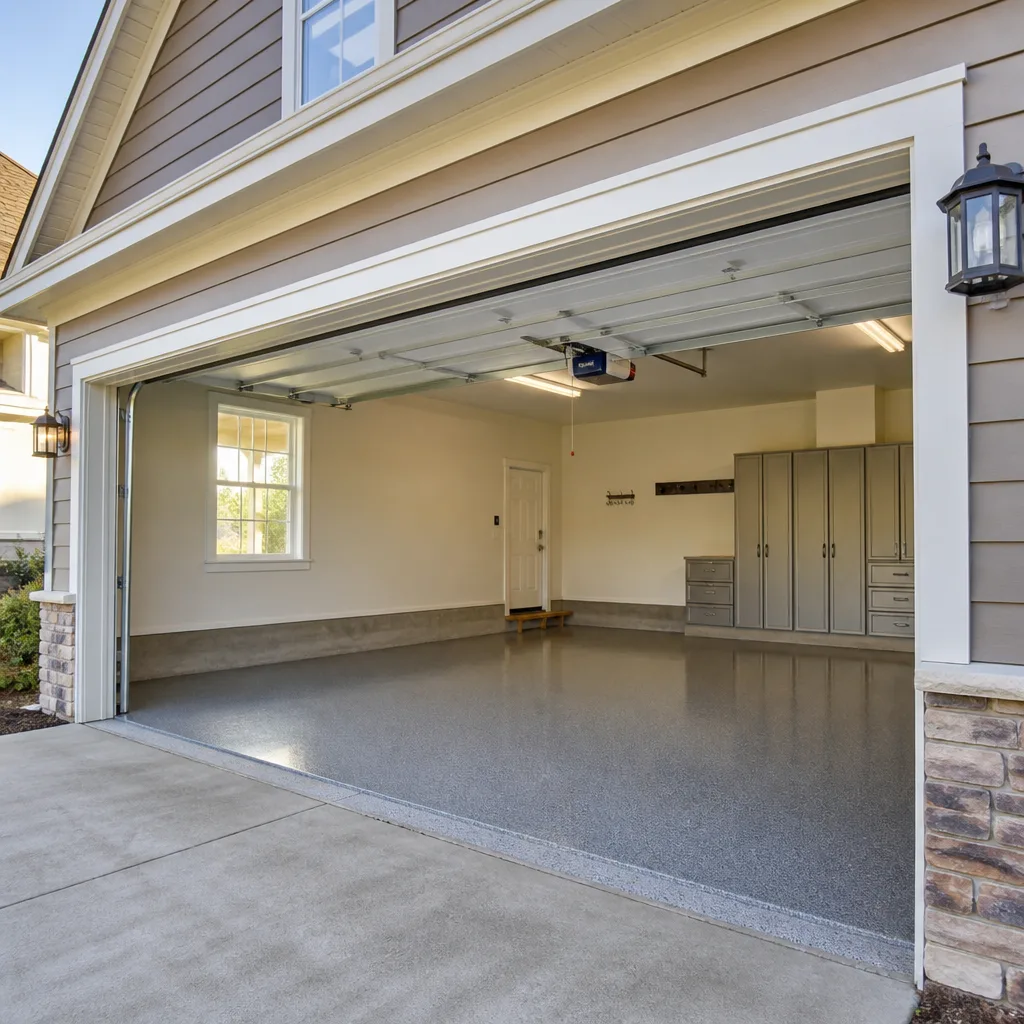 Chamberlain openers
Full 25-point door and opener safety check with every visit - springs, cables, rollers, tracks, and your LiftMaster or Chamberlain opener included
You get a price before we start. It does not change when the truck arrives.
Get your free estimateChoosing the Right Garage Door Brand: A Buyer’s Guide for Sunnyvale
The garage door brand with the best warranty in its class is worth exactly as much as the density of technicians in your market who can honor it. That’s a detail national brand marketing never mentions, and it’s the single biggest factor in what your door will cost you over the next 15 years. In Sunnyvale, where the housing stock spans 1950s ranchers in Cherry Chase, 1970s townhouses near Lakewood, and 1990s tract homes off El Camino, the brand already on thousands of houses tells a more useful story than any showroom brochure. This guide reframes the brand decision around serviceability, because a door that can’t be fixed easily is a door you’ll replace twice. For The Complete Garage Door Repair Guide for Sunnyvale Homeowners, we cover what to expect after installation.
Styles & brands we work with
- Raised-panel steel
- Carriage house
- Modern flush
- Full-view glass
- LiftMaster openers
- Chamberlain openers
Quick Answer
The best garage door brand in Sunnyvale is the one with strong local parts availability and installer familiarity, not the one with the flashiest national marketing. For most Sunnyvale homes, Clopay and Amarr doors paired with LiftMaster or Chamberlain openers deliver the strongest combination of durability, repairability, and parts access in the 94086 through 94089 zip codes. Brand matters less than the match between the door and the person installing and servicing it. See our Complete Guide to Garage Door in Sunnyvale for a full breakdown of local options.
Table of Contents
- What’s Actually Installed on Sunnyvale Homes
- Why Local Parts Availability Beats National Reviews
- The Two Decisions: Door Panel Brand vs. Opener Brand
- Specs That Matter in a Bay Area Climate
- What a Repair-First Specialist Looks For
- Brand Tiers: What You’re Really Paying For
- Cost Reality: What Sunnyvale Homeowners Actually Pay
- Common Mistakes to Avoid
- When to Call a Professional
- Frequently Asked Questions
- The Bottom Line
What’s Actually Installed on Sunnyvale Homes
Walk down any street in Sunnyvale between Wolfe Road and Mathilda Avenue and you’ll see a pattern emerge. The brands on actual houses don’t match the brands dominating national advertising. We work on what’s already installed, and that gives us a clear picture of what Sunnyvale homes actually carry.
Three door panel brands dominate the residential landscape in Sunnyvale: Clopay, Amarr, and Wayne Dalton. These aren’t the brands you’ll see in every YouTube spot, but they’re the ones bolted to thousands of garages in the 94086, 94087, 94088, and 94089 zip codes. Clopay leads by volume in the neighborhoods built during the 1960s through 1980s, particularly around Ponderosa Park and Serra Park. Amarr shows up heavily in the newer developments near the Sunnyvale Golf Course and along Fremont Avenue. Wayne Dalton appears most often in homes built before 1980, especially the original ranch styles near downtown.
On the opener side, LiftMaster and Genie account for the overwhelming majority of motorized systems in Sunnyvale garages. That’s partly because LiftMaster has been the default contractor-installed opener for decades, and partly because Genie held the retail market for a long stretch. Chamberlain is LiftMaster’s consumer line, sharing most internal components, so a Chamberlain opener is functionally a LiftMaster with different trim and a shorter warranty. Craftsman openers, typically Chamberlain-built units with Craftsman branding, show up in homes where the previous owner bought from Sears, which means a significant number of Sunnyvale garages built through the 1990s and 2000s.
Here’s what this means for you: if you’re replacing a door to match what’s already common in your neighborhood, you’re choosing among brands that local technicians see constantly. That’s good news for parts availability and diagnostic speed. If you’re considering a brand that’s rare in this market, you’re signing up to be the exception, and exceptions pay more and wait longer for parts.
Why Local Parts Availability Beats National Reviews
National review scores measure how happy people are in the first 90 days of ownership. Your actual experience with a garage door plays out over years 4 through 10, when springs fatigue, rollers wear, and panels get dented by a bicycle handlebar. What determines whether year 7 is a $90 repair or a $900 replacement is whether a technician in Sunnyvale can get the specific part on short notice.
Parts availability is a local phenomenon. A brand with excellent distribution in Phoenix might have spotty coverage in the Bay Area. The metric that actually predicts your long-term repair experience is simple: how many distributors stock this brand’s parts within 50 miles of Sunnyvale, and how many independent technicians are certified or familiar enough to order them correctly.
Here’s how to evaluate a brand by parts availability rather than review scores:
- Ask a local repair company which brands they service most. The brands technicians see repeatedly are the ones they can diagnose fastest and fix cheapest. Frequency creates familiarity, and familiarity means fewer wrong guesses on labor-heavy jobs like spring replacement.
- Check whether the brand sells through local supply houses, not just direct-to-consumer. Brands with wholesale distribution in the Bay Area mean any technician can pull parts same-day. Brands that only ship direct mean every part waits on freight.
- Ask whether individual components are replaceable. Some garage door designs treat the panel section as a modular unit, so a single dented section can be swapped. Others require replacing the entire door when one section fails. This single design decision matters more than any warranty language.
- Look at the brand’s age in the market. Clopay and Amarr have been in American garages for 50-plus years. That longevity means a 12-year-old door still has parts circulating in the supply chain. A brand that’s been around for eight years might not have parts for its own discontinued lines.
In our experience with garage door repair in Sunnyvale, the most common call we get on a 10- to 15-year-old door is a broken spring. That’s a replaceable component on every major brand, but the replacement spring has to match the original’s torque rating, wire size, and length. When the brand has active parts distribution in the Bay Area, we source the exact match in a day. When it doesn’t, the homeowner waits a week or pays for a custom spring that may not balance the door correctly.
Parts availability is also why Clopay leads our list for Sunnyvale door replacement recommendations. Every supply house we use stocks Clopay springs, hinges, rollers, and panel sections. Amarr runs a close second. Wayne Dalton is mixed: their torquemaster spring systems are proprietary, so a replacement means ordering through a specific channel, which adds time. This is the kind of detail that never appears in a national review and absolutely determines your repair experience in year 6.
The Two Decisions: Door Panel Brand vs. Opener Brand
Most homeowners approach brand selection as one decision: “What garage door should I get?” That conflation is the root of a lot of bad purchases. Our DIY vs Professional Garage Door: The Sunnyvale Homeowner’s Decision Guide explains why splitting these decisions matters. You’re actually making two separate decisions with completely different selection criteria.
Decision 1: The door panel. This is the physical assembly: panels, tracks, springs, cables, hinges, rollers. It’s selected for durability, insulation, appearance, and repairability. The door panel brand determines what your garage looks like from the street and whether a dented panel in year 8 means a $300 section replacement or a $2,500 full door swap.
Decision 2: The opener. This is the motorized unit that moves the door: the operator, the rail, the safety sensors, the remote controls. It’s selected for drive mechanism, smart features, noise level, and motor longevity. The opener brand determines whether your garage door works with your phone, how loud it is when your teenager comes home at 11 p.m., and how likely the unit is to fail in year 5 versus year 12.
These decisions are independent. A Clopay door works fine with a Genie opener. An Amarr door works fine with a LiftMaster opener. The selection criteria for each are different enough that evaluating them as one purchase leads to compromises that satisfy neither set of requirements.
Door panel selection criteria that matter in Sunnyvale:
- Steel gauge of the outer skin (24-gauge is standard, 25-gauge is thinner and dents easier, 26-gauge is entry-level and prone to driveway-basketball dents)
- Insulation type and R-value (polystyrene is budget, polyurethane is dense and structural, R-values range from R-6 to R-18)
- Finish durability (UV-stable paint systems matter in a climate with 260-plus sunny days per year)
- Section replaceability (can a single panel be ordered and swapped, or does the design require full-door replacement)
- Spring system type (standard torsion springs are universally serviceable; proprietary spring systems lock you into one service channel)
Opener selection criteria that matter in Sunnyvale:
- Drive mechanism (belt-drive for attached garages where noise travels into the house, chain-drive for detached garages on a budget)
- Motor type (AC motors are simple and proven, DC motors are quieter and support variable speed)
- Smart capabilities (MyQ compatibility, app control, battery backup for the occasional PG&E outage)
- Availability of replacement boards and gears (a $40 gear replacement beats a $350 control board swap)
- Parts interchangeability (LiftMaster and Chamberlain share most internals, simplifying future repairs)
If you’re replacing both, the more important decision is the door. The door is the structural component, the safety component, and the curb-appeal component. The opener is a motorized appliance that, in most cases, bolts to the ceiling and fails independently of the door. Spending more on the door and less on the opener is usually the right allocation for a Sunnyvale home.
Specs That Matter in a Bay Area Climate
Garage door marketing is national, which means it’s engineered around the most demanding climate in the country: Midwest winters with minus-20-degree wind chills and Texas summers with 110-degree heat. Sunnyvale has neither. The specs engineered for temperature extremes are specs you’re paying for without needing.
Sunnyvale’s climate is moderate: winter lows rarely dip below 40 degrees, summer highs rarely exceed 85 degrees, and the garage door’s primary environmental stressor is UV exposure on a south-facing panel. This changes which specs actually matter.
Insulation R-value: prioritize modestly. An R-18 polyurethane door is designed for homeowners in Minneapolis who pay to heat their garage to 60 degrees in January. In Sunnyvale, where the garage stays between 50 and 80 degrees year-round, an R-6 to R-9 door provides all the thermal separation most homes need. The main exception is an attached garage used as a workshop, home gym, or office. If you’re spending hours in there, a denser insulated door also runs quieter and feels more substantial, which is a legitimate quality-of-life upgrade.
Steel gauge: matters more than insulation in this market. A 24-gauge steel skin resists the dents that come from driveway basketballs, strollers, and teenagers learning to park. A 26-gauge skin will dent on impact with a bicycle handlebar. For Sunnyvale families with active driveways, gauge is the more important spec.
Finish durability: this is the quiet killer. Sunnyvale gets 260-plus days of sun per year. A south-facing garage door takes direct UV exposure for six-plus hours daily during summer. Cheap powder-coat finishes fade and chalk within three to five years under that load. Paying for a UV-stable finish, or choosing a wood-textured steel that’s already matte, saves you from a door that’s pinkish-gray by year 6.
Wind load rating: don’t overbuy. Brands sell reinforced doors rated for hurricane-force winds. Sunnyvale doesn’t need a wind-rated door. A standard residential door installed with proper reinforcement struts handles the rare 40 mph gust without issue.
The specs worth paying for in Sunnyvale are gauge, finish, and component modularity. The specs worth skipping are high R-values and wind ratings. Buying a door engineered for a climate you don’t live in adds cost without adding service life.
What a Repair-First Specialist Looks For
Commodore Garage Door Repair is a repair-first operation. We work on what you already have before we talk about what you could buy. That changes how we think about brand recommendations, because we see every brand at its worst: broken springs, snapped cables, fried opener boards, doors knocked off track by a car bumper. The brands we recommend for replacement are the ones that age gracefully and fail cheaply.
Here’s what a repair-first specialist looks for in a door brand:
- Component modularity. Can a single panel be replaced, or does one dented section write off the whole door? Clopay and Amarr design their residential lines around individually replaceable sections. Some entry-level brands don’t, and that’s a hidden $2,000 risk hiding behind a $900 purchase price.
- Standardized spring hardware. Standard torsion springs are wound on a steel shaft and replaceable by any trained technician with the right parts. Proprietary spring systems, like Wayne Dalton’s torquemaster, require brand-specific components that fewer technicians carry. The door performs fine, but the repair experience in year 7 is slower and more expensive.
- Common roller and hinge sizes. Most residential doors use 2-inch rollers and standard gauge hinges. Some brands use oddball sizes that require ordering from a specific distributor. When the door is off its tracks on a Monday morning, you want parts that any supply house in San Jose or Santa Clara has on the shelf.
- Opener compatibility with universal remotes. LiftMaster, Chamberlain, Genie, and Craftsman openers all work with universal remotes and keypads. Some European or specialty openers don’t. That’s a minor inconvenience until you need a replacement remote and discover it only comes from one source.
- Parts documentation. Brands that publish exploded parts diagrams and maintain parts lookup for discontinued models make repairs faster. Brands that gate parts information behind dealer portals slow everything down by a day or more.
One call covers the door and the opener at our garage door company, and that integrated perspective shapes why we lean toward brands with modular components. A door is 15 years of small repairs, not one big purchase. The brands that survive those 15 years cheapest are the ones worth buying.
Brand Tiers: What You’re Really Paying For
Garage door brands don’t exist on a single ladder from cheap to expensive. They exist in tiers defined by distribution model and market focus. Understanding the tiers explains most of the pricing confusion in this market.
Tier 1: Contractor-Grade Door Brands
Clopay and Amarr operate primarily through professional installation channels. You see them in showrooms and through dealers, and they’re the dominant brands on Sunnyvale homes. Contractor-grade means the product line is deep: entry-level non-insulated doors through premium custom wood-look lines, all with strong parts distribution. You’re paying for durability engineering and repairability, not marketing spend. Both brands have been building garage doors for 50-plus years, and Sunnyaale supply houses stock their parts.
Tier 2: Retail-Channel Door Brands
Wayne Dalton sells through both professional and retail channels, which splits its focus. The brand is fine, but its proprietary spring systems and some nonstandard hardware choices mean the repair experience lags Clopay and Amarr. Wayne Dalton is common enough in older Sunnyvale homes that parts are obtainable, but the channel is less direct.
Tier 3: Opener Specialists
LiftMaster, Chamberlain, Genie, and Craftsman are opener brands first. LiftMaster and Chamberlain are the same manufacturer with different distribution, and Genie and Craftsman round out the consumer market. Openers are standardized appliances: a belt or chain, a motor, a control board, a remote. Brand matters less for openers than for doors because the components are simpler and the failure modes are predictable.
What you’re actually paying for as you move up the tiers isn’t just quality. It’s distribution depth and parts longevity. A Tier 1 door brand costs more upfront and less over 15 years. A no-name door costs less upfront and becomes a replacement project at year 8 when the only panel supplier stopped stocking it in year 5.
For opener brand selection in Sunnyvale, LiftMaster and Chamberlain represent the safest choice simply because every technician in the county has worked on hundreds of them. We service LiftMaster, Chamberlain, Genie, and Craftsman openers regularly through our garage door opener repair service, and the diagnostics are fastest when the opener is a familiar model.
Cost Reality: What Sunnyvale Homeowners Actually Pay
National pricing guides will tell you a new garage door costs $1,100 to $2,500, but Sunnyvale’s market skews differently. Labor rates in the South Bay are higher than the national average, and the prevalence of two-car homes means most replacements are 16-foot doors rather than the 8-foot and 9-foot doors those national ranges assume.
Here’s what a typical Sunnyvale replacement actually costs, based on the homes we see across the 94086 through 94089 zip codes:
- Single-car door (8×7), non-insulated steel: $850 to $1,400 installed, depending on the brand tier and spring system
- Single-car door (8×7), insulated steel with a polyurethane core: $1,300 to $2,000 installed
- Two-car door (16×7), non-insulated steel: $1,200 to $1,800 installed
- Two-car door (16×7), insulated steel with a polyurethane core: $1,700 to $2,600 installed
- Two-car door (16×7), premium wood-look steel with a decorative window row: $2,500 to $4,000 installed
- Opener (belt-drive, smart-enabled, battery backup): $450 to $750 installed
- Opener (chain-drive, basic): $350 to $500 installed
These ranges assume a straightforward installation on an existing opening with standard trim. Unusual openings, rotted framing, or doors that require custom sizing add cost. The price you’re quoted is the price you pay before any work starts, and that’s how garage door installation in Sunnyvale should always be handled. If a quote doesn’t include haul-away of the old door, disposal fees, and the opener integration, you’re comparing incomplete numbers.
For door panel brands, Clopay and Amarr cost roughly the same at the same spec level within Sunnyvale. The difference between them is mostly style availability and lead time, not price. You’ll find more Clopay dealers stocking Sunnyvale-specific inventory, which can shave a few days off a replacement.
Common Mistakes to Avoid
- Buying a brand with weak local parts distribution because it was $200 cheaper on a national website. That $200 savings evaporates at year 6 when a replacement panel takes three weeks to source and the whole door ends up getting replaced instead. Parts availability in the Bay Area is the single best predictor of long-term cost.
- Assuming the opener brand and door brand need to match. There’s no technical reason a LiftMaster opener can’t lift a Clopay or Amarr door. Mixing brands is standard practice and gives you more flexibility on both decisions.
- Overpaying for insulation in a Sunnyvale garage. An R-18 door is wasted spend unless you’re heating or cooling the garage daily. R-6 to R-9 suits the climate and saves $300 to $600 on a two-car door.
- Choosing a door with proprietary hardware because it looked distinctive. Proprietary spring systems and nonstandard rollers mean every future repair goes through a single channel. That’s a tax on every year you own the door.
- Judging brands by their first-year reviews. A garage door doesn’t reveal its weak points until year 5, when springs start to cycle out and panels take their first dents. Ask a repair company what fails on the brand you’re considering, not what new owners think after 90 days.
- Forgetting that installation quality is the largest variable. The same door installed by someone who’s done it 200 times will outperform a premium door hastily installed. Brand-to-installer match beats brand tier every time.
- Not confirming the quote is all-in before work begins. Some contractors quote the door but not the haul-away, the opener brackets, or the trim work. Straight diagnosis and clear options should include a written price agreed before any work starts.
When to Call a Professional
Garage doors are under constant tension, and the springs that counterbalance the door’s weight store enough energy to cause serious injury if they release while you’re working near them. Spring replacement, cable repair, and track alignment are jobs for a trained technician with the right winding bars and the experience to know what a spring under load sounds like when it’s about to fail. If your door is off-track, if a spring has snapped, or if you can’t lift the door manually even after pulling the release, stop and call a professional. Commodore Garage Door Repair offers free estimates in Sunnyvale, and your brand is one we know well. For more guides & resources, explore our blog, or call (877) 358-3130 for a straight diagnosis and clear options.
Frequently Asked Questions
For most Sunnyvale homes in the 94086 through 94089 zip codes, Clopay and Amarr are the strongest door panel brands because of local parts availability and modular component design. On the opener side, LiftMaster and Chamberlain are the safest choices because every technician in the county has deep familiarity with them. The best brand is the one your local repair channel can service easily. Call (877) 358-3130 to talk through what’s right for your specific door.
Replace just the opener if the door panels, tracks, and springs are in good shape. A fully functional door with a dead opener needs an opener, not a new door. The two components fail independently, and replacing both when only one has failed wastes $1,000 or more. If the door is dented, rusting, or unbalanced and the opener is also dying, replacing both at once saves a second labor charge later.
A new garage door in Sunnyvale typically costs $1,200 to $2,600 installed for a standard two-car door, depending on insulation level, steel gauge, and brand. A single-car door runs $850 to $2,000. Premium wood-look doors with decorative windows start around $2,500. Expect to pay more than the national ranges you see online because South Bay labor rates run above the national average. Get a written quote before any work starts.
Yes. Opener brands and door panel brands are completely independent decisions, and mixing them is standard practice. A LiftMaster or Chamberlain opener will lift a Clopay, Amarr, or Wayne Dalton door without issue. The opener’s job is to pull a balanced door along its track, and the brand of the door doesn’t affect the opener’s compatibility.
In most cases, yes. Stock single-car and standard two-car doors in common sizes are typically available within a week in Sunnyvale, and Clopay and Amarr both maintain Bay Area inventory for their most popular lines. Custom sizes, wood-look finishes, and decorative window configurations add lead time of two to four weeks. We’ll give you a written price and a real timeline before any work proceeds.
No. The price you’re quoted is the price you pay before any work starts. If we find rotted framing or an unusual opening that changes the scope, we’ll show you what we found and agree on the revised number before touching the door. Straight diagnosis, clear options, no upsell pressure means the number on the quote is the number on the invoice. Call (877) 358-3130 for a free estimate.
The Bottom Line
The right garage door brand for a Sunnyvale home is the one with deep parts distribution in the Bay Area, modular components that can be individually replaced, and a repair channel that sees the brand constantly. Clopay and Amarr fill that role for door panels. LiftMaster and Chamberlain fill it for openers. Brand-to-installer match counts more than brand tier, and in a market like Sunnyvale the brands that already live on thousands of houses are the brands you can own for 15 years without a surprise $2,000 failure. We work on what you already have, and we’ll tell you straight whether a repair makes more sense than a replacement. Call Commodore Garage Door Repair at (877) 358-3130 and we’ll give you a direct answer either way.
Written by the team at Commodore Garage Door Repair, serving Sunnyvale since 2015.
See the difference
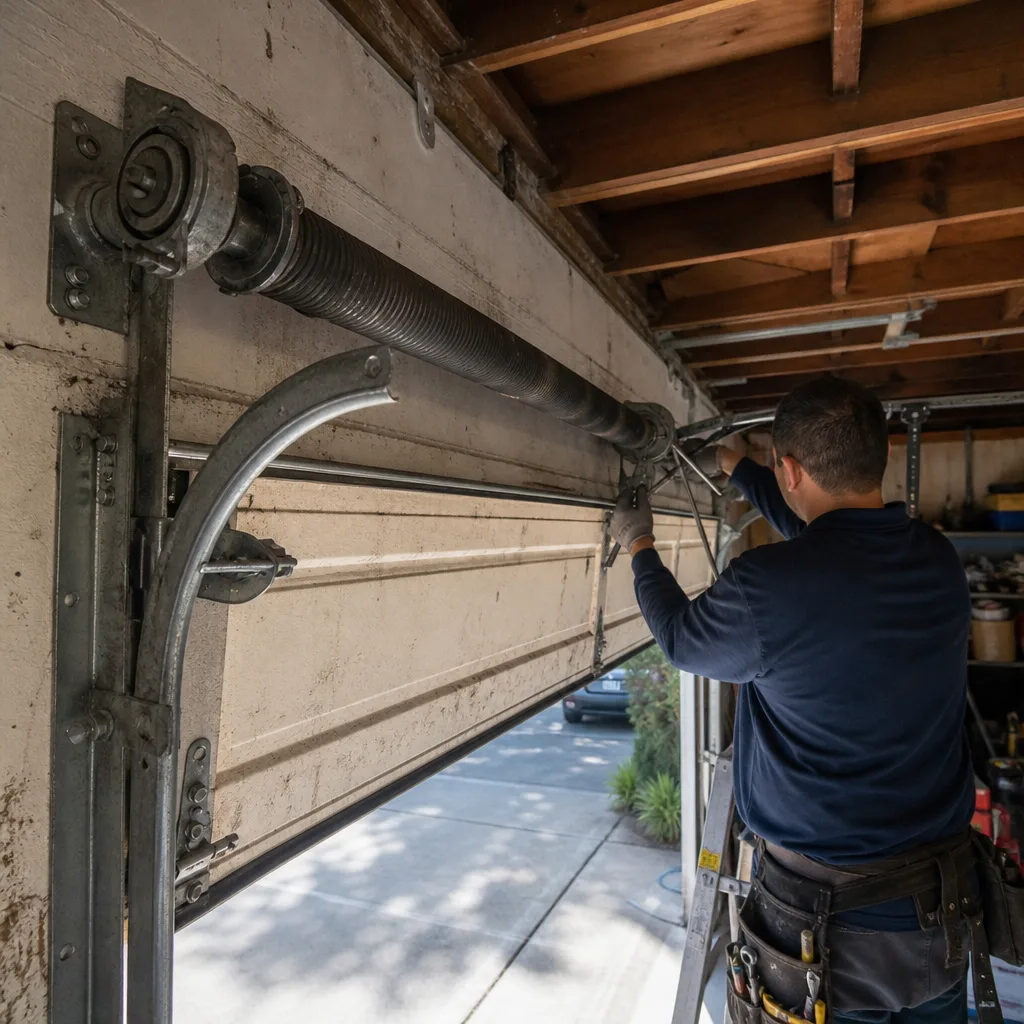 Before
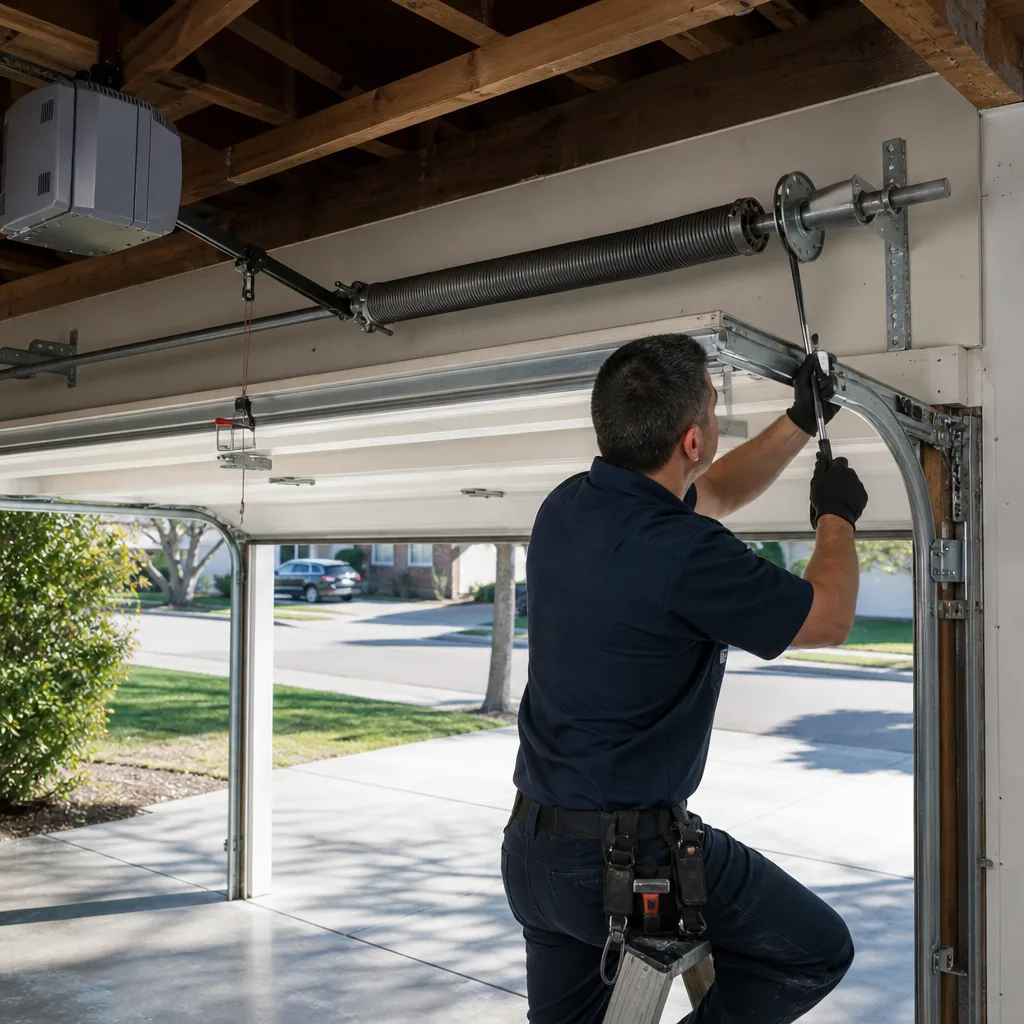 After
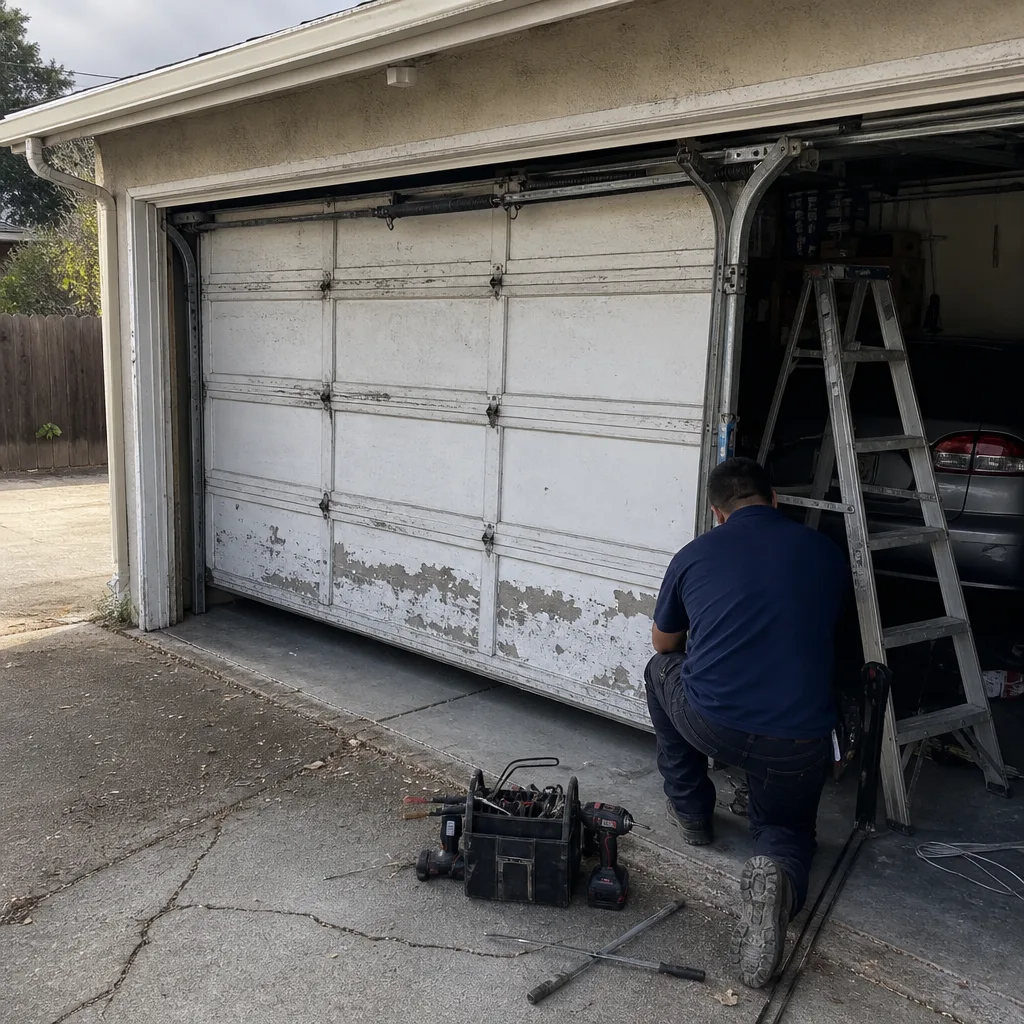 Before
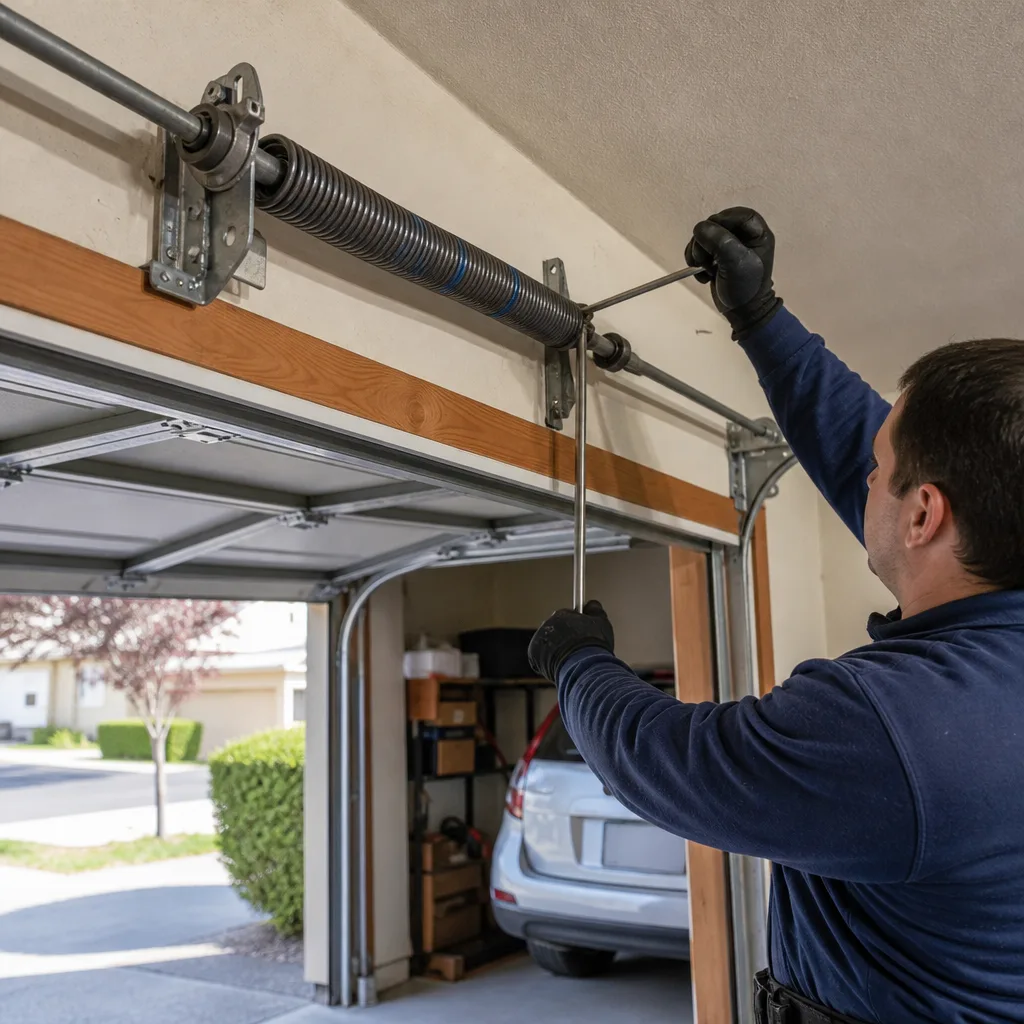 After
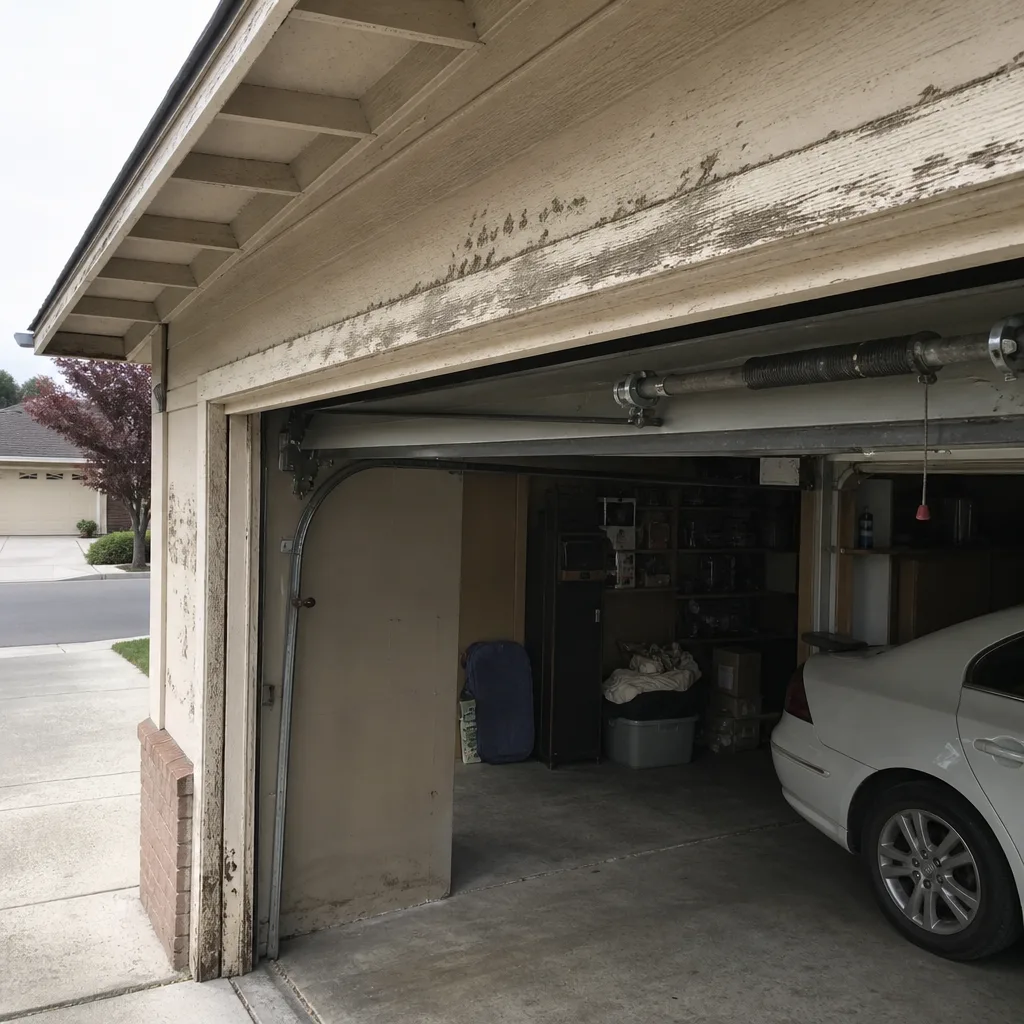 Before
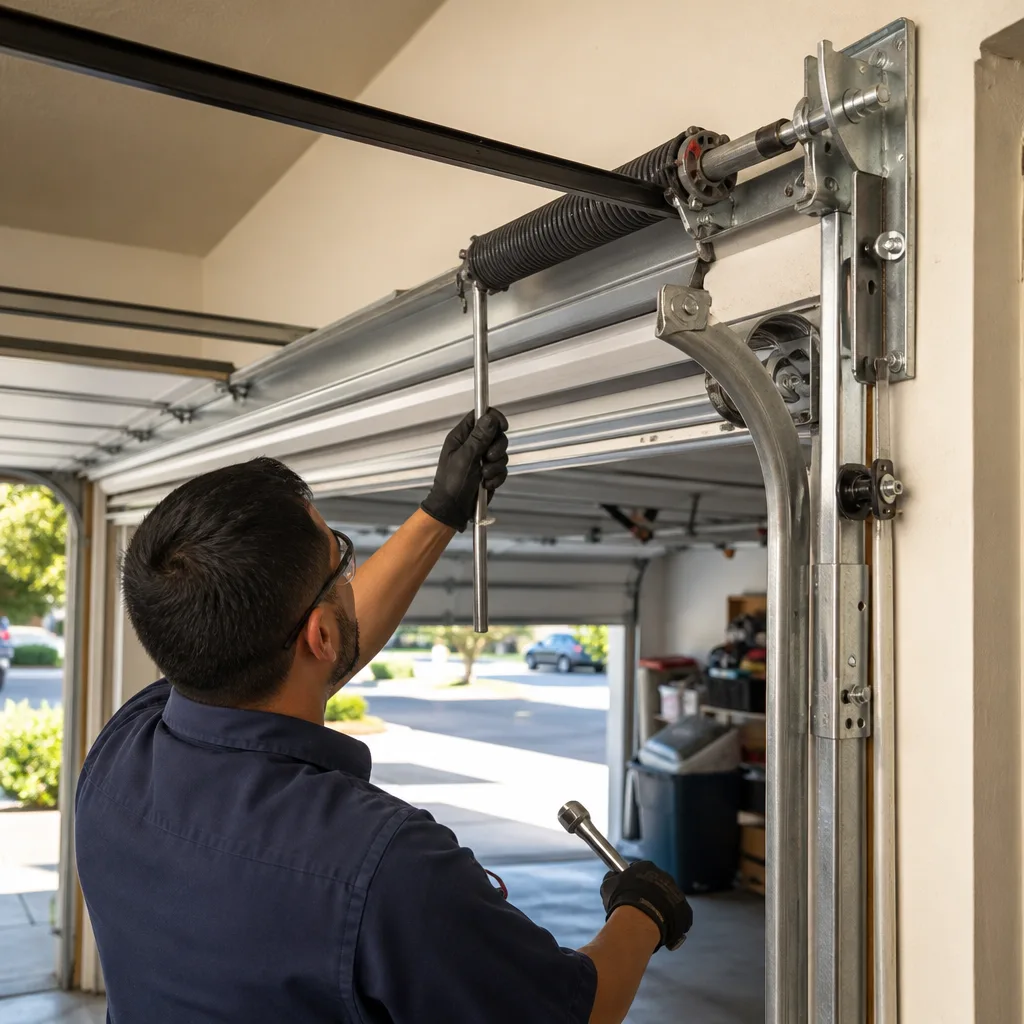 After