
Last updated November 2, 2026
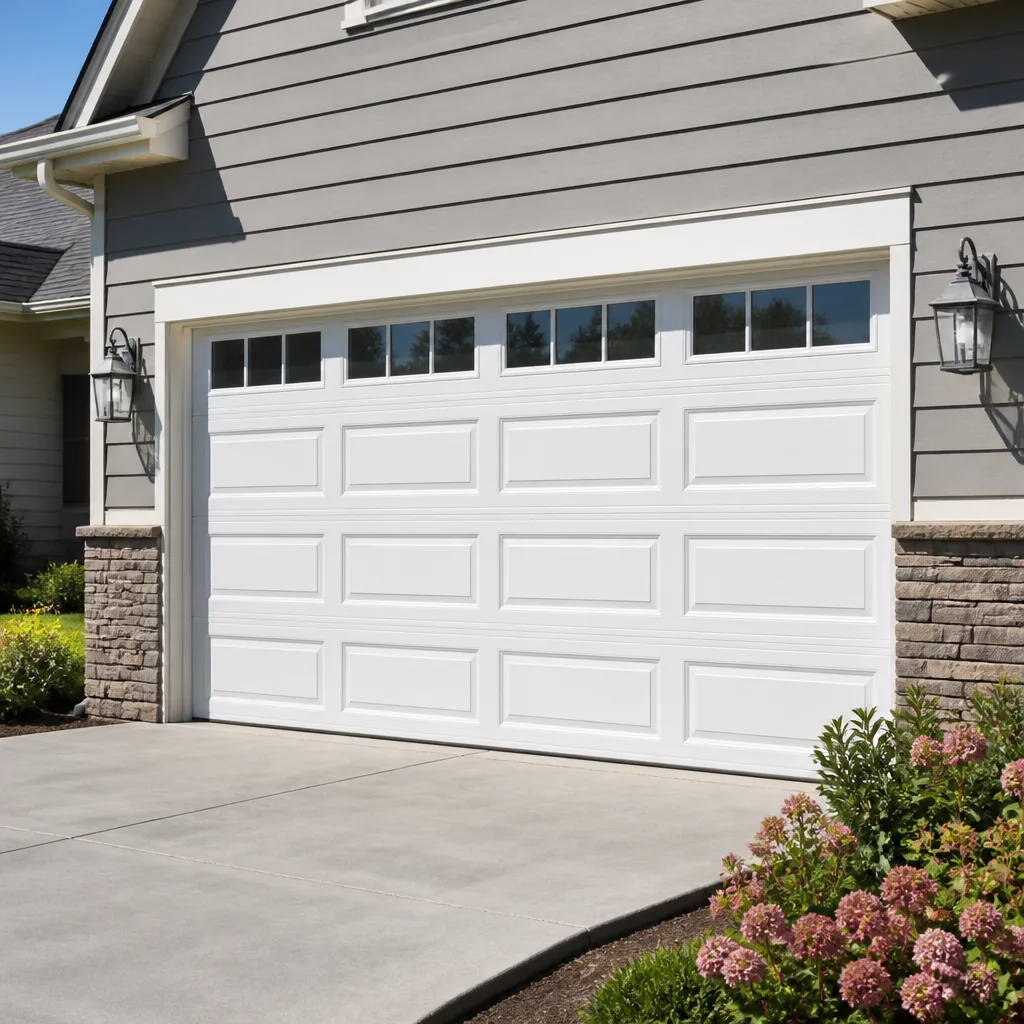 Raised-panel steel
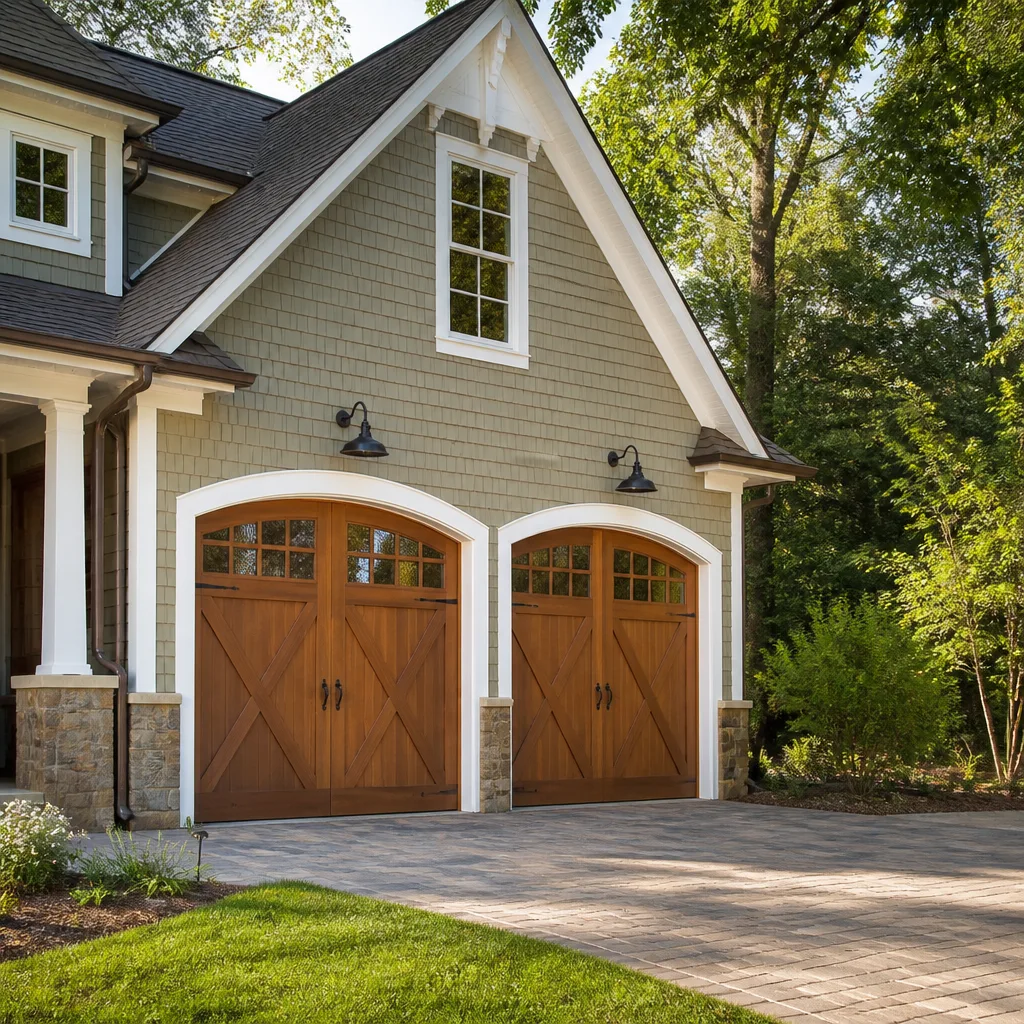 Carriage house
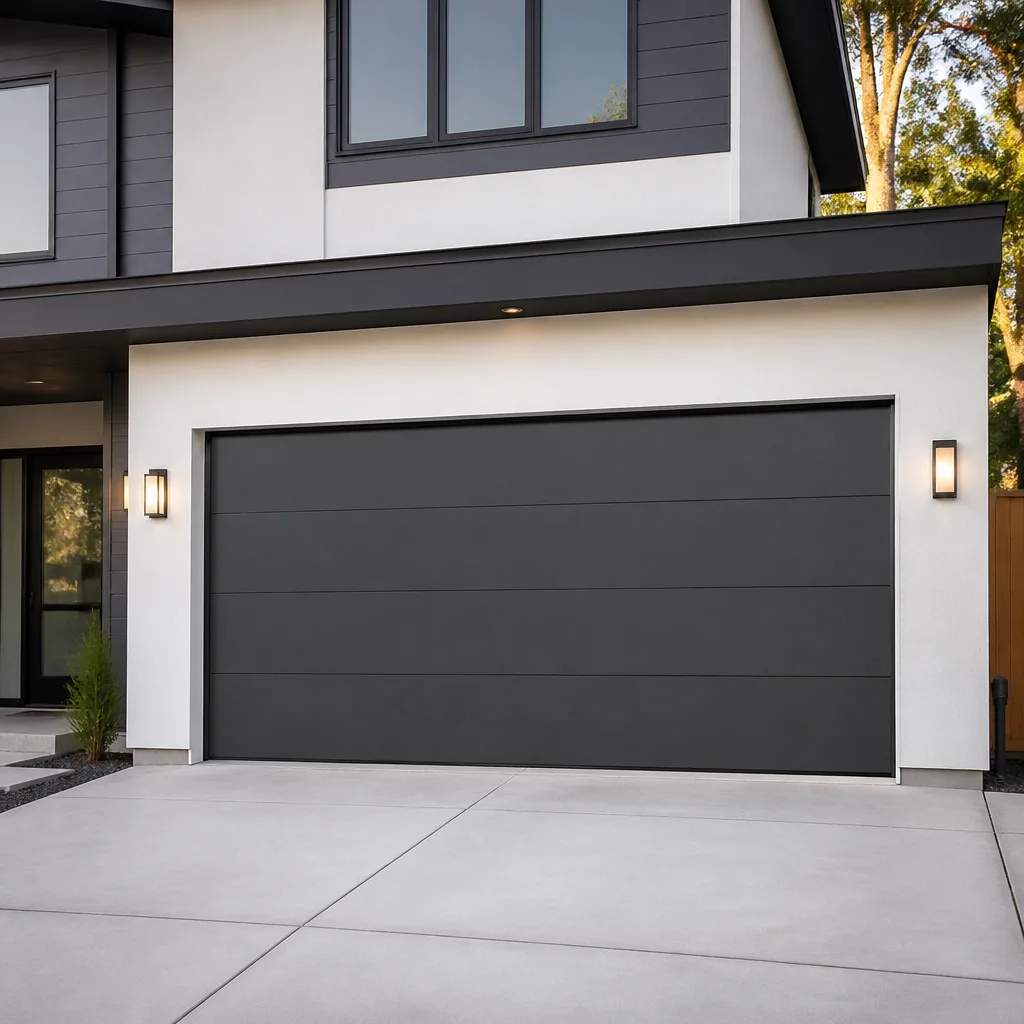 Modern flush
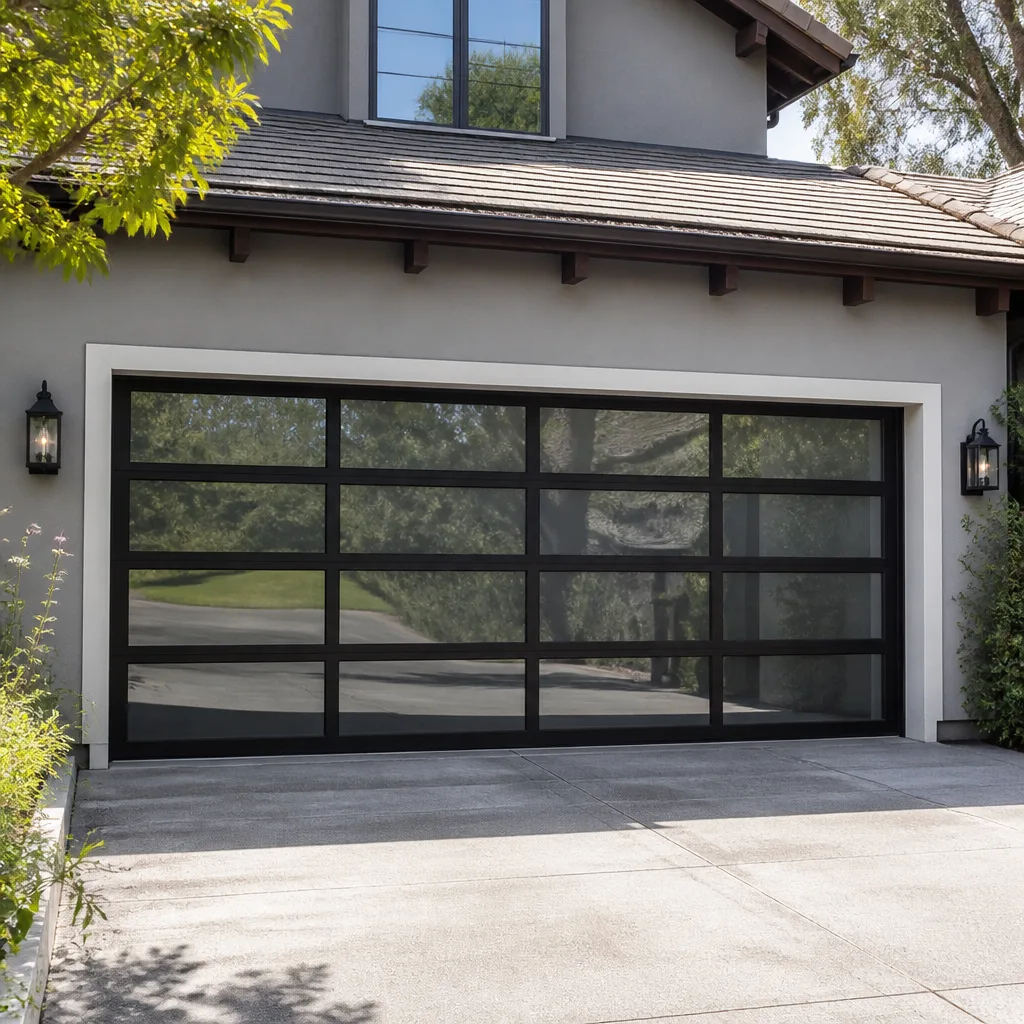 Full-view glass
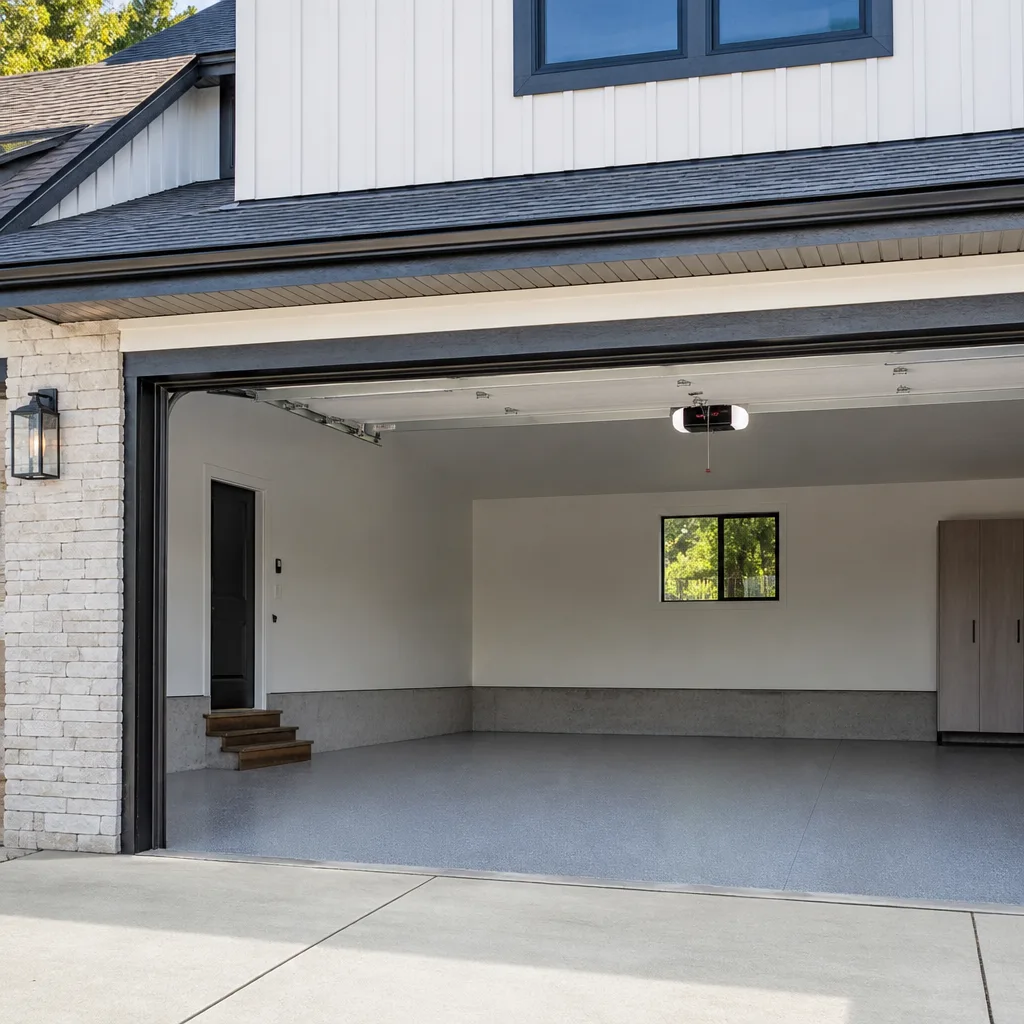 LiftMaster openers
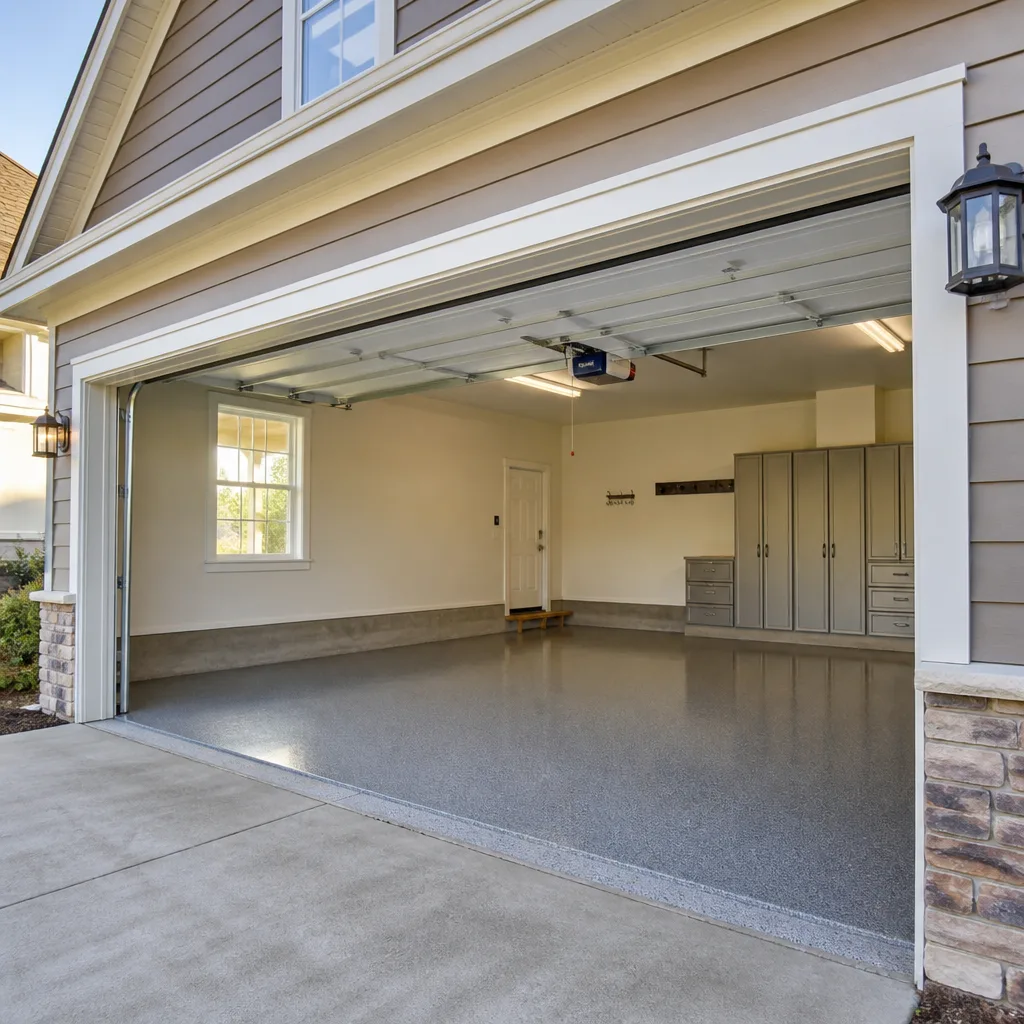 Chamberlain openers
Full 25-point door and opener safety check with every visit - springs, cables, rollers, tracks, and your LiftMaster or Chamberlain opener included
You get a price before we start. It does not change when the truck arrives.
Get your free estimateGarage Door Warning Signs: A Sunnyvale Homeowner’s Reference Guide
The most dangerous moment in garage door ownership isn’t when the door stops working. It’s the six weeks before, when it works just well enough that no one calls anyone. A door that shudders slightly on the way up, or makes a sound you’ve started to tune out, is not aging gracefully. It’s announcing a failure. This guide will help you read those announcements for what they are: specific, identifiable warning signs that predict which component is about to give out. We’ll walk through the sounds, the movements, and the visual clues we’ve learned to spot across hundreds of garage doors in Sunnyvale, where coastal air and seasonal temperature swings put particular stress on springs and cables.
Styles & brands we work with
- Raised-panel steel
- Carriage house
- Modern flush
- Full-view glass
- LiftMaster openers
- Chamberlain openers
Quick Answer
A garage door that’s about to fail usually gives one of seven warnings: grinding or popping sounds from the springs, squealing from the rollers or opener drive, a door that reverses mid-travel without an obvious sensor obstruction, visible fraying on the lift cables, uneven movement where one side lags or drops faster, a door that feels dramatically heavier when operated manually, or an opener motor that runs but strains or hums without moving the door. Any one of these means the door should be inspected. For homeowners researching How to Hire a Garage Door Contractor in Sunnyvale: A Step-by-Step Guide, knowing these signs helps you evaluate whether a technician’s diagnosis matches what you’ve observed.
Table of Contents
- The Sound Diagnostic: What Grinding, Popping, Slapping, and Squealing Actually Mean
- A Door That Reverses Unexpectedly: Spring Problem or Sensor Problem?
- The 90-Second Cable and Drum Visual Inspection
- Uneven Door Movement: What One Side Dropping Faster Tells You
- Opener Motor Warning Signs vs. Mechanical Door Warning Signs
- Why Sunnyvale’s Climate Is Harder on Garage Doors Than Most Homeowners Realize
- Common Mistakes to Avoid
- When to Call a Professional
- Frequently Asked Questions
- The Bottom Line
The Sound Diagnostic: What Grinding, Popping, Slapping, and Squealing Actually Mean
A garage door talks before it fails. The problem is that most of us don’t speak the language. In our experience working on doors across Sunnyvale, from the Eichler neighborhoods near Serra Park to the newer builds south of El Camino Real, homeowners describe the same four sounds over and over. Each one points to a different component. Learning to tell them apart is the single highest-value diagnostic skill a homeowner can have.
Grinding is almost always metal-on-metal contact where there shouldn’t be any. On a door that hasn’t been lubricated in years, the rollers grind against the hinges. On an opener, a grinding sound from the motor head often means the gears inside the drive unit are stripping, especially on older Chamberlain and Genie models whose nylon drive gears wear down over time. Grinding is a sound that worsens by the week. It doesn’t fix itself.
Popping is different, and more urgent. A loud pop from the spring area usually means a torsion spring is beginning to bind, or in the worst case, that a coil has already cracked. Some homeowners in Sunnyvale mistake a popping spring for a gunshot or a car backfiring. The first pop is often quiet. The final one, when the spring lets go completely, is not. If you hear popping, stop opening and closing the door manually and have it looked at. A spring under tension is not something to investigate up close.
Slapping is a loose cable slapping against the track or the wall. It’s rhythmic, follows the door’s travel, and usually means the cable has lost tension on one side. That’s a direct precursor to a cable snap, which we’ll get to below. Squealing is the most common and the least dangerous sound: dry rollers, dry hinges, or a dry belt on an opener. Left alone, a squealing door wears out rollers faster, which turns a $20 lubrication into a $200 roller replacement. On a Genie belt-drive opener, a squeal at the motor head is frequently the belt rubbing against a misaligned idler pulley, not the belt itself failing.
Our rule of thumb: if the sound is rhythmic and follows the door, it’s a mechanical door problem. If it’s centralized at the motor and happens only while the opener is running, it’s an opener problem. That distinction alone saves Sunnyvale homeowners from paying for the wrong repair.
A Reversing Door: Spring Problem or Sensor Problem?
When a garage door starts down, then reverses back up before touching the floor, most people assume the safety sensors near the bottom of the track are misaligned. Often they’re right. But not always. And the difference matters, because one is a $50 service call and the other is a spring replacement waiting to happen.
Here’s how to tell the difference in Sunnyvale before calling anyone. First, look at the sensor lights. On Chamberlain and LiftMaster openers, each sensor has a small LED. If one or both are blinking, you have a sensor misalignment or a broken wire. That’s an opener issue, and it’s usually quick to fix. But if the sensor lights are solid and the door still reverses, especially if it reverses at the same point in its travel every time, the problem is mechanical. A weakening spring changes how the door distributes weight as it moves. The opener’s force settings interpret that weight shift as an obstruction and reverse the door to be safe. In other words, the opener is doing its job: it’s telling you the door has changed.
We see this pattern regularly in Sunnyvale, particularly on Clopay and Amarr doors that are five to seven years old. The homeowner swears the sensors are fine, and they are. The spring has lost tension and the door is now out of balance. A door with weakened springs will also drift downward when left open at the halfway point. Do that test: open the door halfway, release the opener, and see if the door stays put. If it drops, the springs are no longer holding their rated cycle life and replacement is the honest fix. If it holds, your reversing issue is more likely a sensor or a force-setting problem.
One more thing: dirty eyes. In Sunnyvale, especially in neighborhoods with lots of mature trees like Cherry Chase, spider webs and pollen collect on sensor lenses. A quick wipe with a dry cloth fixes more reversing doors than any other single action. Try that before anything else.
The 90-Second Cable and Drum Visual Inspection
Cable snaps are the most dangerous mechanical failure a garage door can have, and they’re almost always preventable. A torsion spring counterbalances the door’s weight. The cables transfer that tension to the door itself. When a cable frays, it’s a countdown. Here’s a 90-second inspection sequence we recommend every Sunnyvale homeowner do twice a year, ideally in spring and fall when temperature changes are shifting the metal, along with our Seasonal Garage Door Care for Sunnyvale: Year-Round Homeowner’s Guide.
- Close the door fully and stand inside the garage.
- Look at the left side of the door, where the cable runs vertically alongside the track. The cable should be taut and perfectly straight.
- Repeat on the right side. Compare the two. One side should never be noticeably looser than the other.
- Look up at the drum, the round spool the cable wraps around near the top of the track. The cable should wind evenly, like thread on a spool. If the coils overlap, cross, or bunch on one side of the drum, the drum is out of alignment.
- Run your eyes along the entire cable length looking for any strands poking out, any rust discoloration, or any flat spots where the cable has rubbed against something.
- Look at the bottom bracket where the cable attaches to the door corner. This is the single most common failure point in Sunnyvale, because that bracket corrodes in moist air and the cable eventually pulls through it.
If you see any fraying, a loose cable, or an uneven wrap, do not open and close the door any more than necessary. A snapped cable on a door with a loaded torsion spring releases energy violently. In the best case it damages the door panel and the track. In the worst case, it injures someone standing nearby. This is a job for a professional with the right winding bars and a healthy respect for stored energy.
Our Garage Door Repair in Sunnyvale page goes into more detail on how we handle cable and spring failures safely.
Uneven Door Movement: What One Side Dropping Faster Tells You
Watch your door from outside next time it opens. Does the left side lift at the same rate as the right side? Or does one corner lag for a beat and then catch up? Uneven movement is never normal, and the specific pattern of unevenness points to a specific cause.
If one side consistently lags throughout the entire travel, but the door still closes flush at the bottom, the most likely culprit is a worn roller on that side. Rollers are plastic or nylon wheels that ride inside the track. In Sunnyvale’s dry summers, the nylon rollers on a Clopay door can crack and shatter over time. When a roller fails, the door drags on that side. It may make a scraping or chattering sound as it moves. The fix is replacing the roller set, which is an inexpensive, low-risk repair when done by someone who knows the track system.
If one side drops faster only during the last few inches of closing, that’s typically a spring balance issue. The springs are no longer holding equal tension across the door. It’s a subtle difference, but an important one: roller wear creates a consistent drag, while spring imbalance shows up at specific points in the travel where the tension distribution shifts. A door that slams the last six inches on one side is telling you the spring on that side has lost tension. That’s not a roller fix. That’s a spring replacement.
The third possibility, and the rarest, is a track that has come out of alignment. In Sunnyvale, where many homes are 1950s and 1960s construction with original garage framing, tracks can loosen from the wall after decades of vibration. The door then moves fine until it hits the point where the track has shifted, and then it binds. You’ll usually see that as a hesitation mid-travel, not a consistent drag. Visual inspection of the track brackets will show if the bolts have loosened from the wall or if the track itself is bent.
Opener Motor Warning Signs vs. Mechanical Door Warning Signs
Half the time a garage door won’t open, the door itself is fine. The opener has failed. The other half of the time, the opener is fine and the door has failed. Mixing these up means paying for the wrong diagnosis. Here’s a framework we use on service calls all over Sunnyvale to isolate the problem before we even touch a tool.
Opener warning signs are centralized: the motor runs, but the door doesn’t move. The motor hums but sounds strained. The opener reverses the door for no sensor reason. The remote works intermittently. The wall button works but the remote doesn’t. On a Chamberlain or Genie unit, a logic board failure can also make the opener open by itself or refuse to close unless you hold the button down. All of these are opener-side issues. They require someone who knows opener wiring, force settings, and travel limits. None of them have anything to do with the springs.
Mechanical warning signs are on the door itself: visible cable fraying, loose bolts, rusted hinges, cracked rollers, unbalanced movement when opened manually. If the opener works and the door moves but it’s grinding or slow, the door is fighting back against the opener. That’s a mechanical problem that will, over time, burn out the opener’s gears as well. We see this often with Amarr doors in Sunnyvale where homeowners keep using the opener for months after the door starts to struggle. The opener eventually gives out too, and now there are two repairs instead of one.
Here’s the practical test: pull the emergency release cord and lift the door by hand. A balanced door lifts smoothly with reasonable effort and stays at the halfway point. If you can barely lift it, or it wants to crash down, the problem is mechanical. If the door moves beautifully by hand but won’t operate with the opener, the problem is the opener. That single test separates the two scenarios cleanly.
For detailed opener troubleshooting, see our Garage Door Opener Repair in Sunnyvale page.
Why Sunnyvale’s Climate Is Harder on Garage Doors Than Most Homeowners Realize
Sunnyvale doesn’t get snow, and it doesn’t get extreme humidity. Homeowners here tend to assume that means their garage doors have an easy life. The opposite is often true. The specific climate patterns of the South Bay create specific failure modes that a good technician learns to anticipate.
First, the daily temperature swing. Sunnyvale regularly sees 30-degree differences between daytime highs and overnight lows, especially in summer. Metal expands during the day and contracts at night. Over years, that constant cycling fatigues torsion springs. A spring rated for 10,000 cycles in a stable climate might only achieve 7,000 to 8,000 cycles in Sunnyvale because the metal is constantly flexing at a microscopic level. Spring manufacturers rate their products in cycles, not years, and the question we ask ourselves on any Sunnyvale service call is always: how many cycles has this spring actually been through?
Second, coastal air. Sunnyvale sits close enough to the bay that morning marine layer and salt-tinged air make their way inland, particularly in neighborhoods near the north end of the city like Lakewood and San Miguel. That moisture settles on exposed metal: cables, brackets, bottom fixtures, and track hardware. The result is accelerated corrosion, especially on the cable anchors at the bottom of the door, which are the exact points where a cable snap begins. We routinely replace bottom brackets in Sunnyvale that have rusted through from the inside while looking fine from the outside.
Third, the age of the housing stock. A significant portion of Sunnyvale’s single-family homes were built between 1950 and 1980, and many still have their original garage framing and, in some cases, original track hardware. The doors have been replaced, but the infrastructure around them hasn’t. That creates a mismatch: a modern, heavier Clopay or Amarr door hung on 60-year-old framing and tracks. The door works, but it’s wearing out its hardware faster than it would on a newer installation. If your home is in one of those older neighborhoods, pay closer attention to the warning signs in this guide and check your cables and brackets more frequently.
Common Mistakes to Avoid
- Adding grease to a squealing door without diagnosing the source. A spray of white lithium grease silences a dry roller, but it also masks the sound of a failing one. If you’re greasing more than once a season, the roller set is telling you it’s done. Grease the wrong spot and you’ve bought yourself two weeks of quiet and a bigger bill later.
- Continuing to use the opener after the door starts struggling. Every extra cycle on an unbalanced door is wear on the opener’s gears. In Sunnyvale, where Chamberlain and LiftMaster openers are the most common units we service, a $150 spring replacement neglected for six months routinely turns into a $450 opener repair on top of the spring.
- Replacing batteries in the remote before checking the door balance. A remote that seems to work intermittently is often fine. The opener is reversing because the door is jamming, and the reversal looks like a remote failure. Check the mechanical side before spending money on parts.
- Ignoring a door that’s slightly heavier than it used to be. Manual operation is the best diagnostic you have. If the door doesn’t feel about the same as it did six months ago, something has changed. Springs lose tension gradually in Sunnyvale’s temperature swings and most homeowners don’t notice until the door crashes down or won’t open at all.
- Attempting to adjust or replace torsion springs without the right tools and training. A torsion spring under full tension stores enough energy to break bones or worse. This is the one repair where an enthusiastic DIYer takes a real risk. The winding bars, the right spring size, the correct number of turns: all of it matters. A professional does this in 40 minutes and goes home with all ten fingers.
- Assuming a reversing door is always the sensors. We covered this above, but it’s worth repeating: a door that reverses with clean, solid sensor lights is telling you something about the springs or the force settings. Wiping the lenses is free. Re-aligning the sensors is free. If those don’t fix it, the problem is mechanical and will not go away on its own.
When to Call a Professional
Call a professional the moment you see frayed cables, hear a pop from the spring area, or notice either side of the door dropping faster than the other. These three conditions indicate stored mechanical energy that is no longer fully controlled, and each one becomes more dangerous the longer it’s left alone. You should also call when the door has reversed unexpectedly more than twice in a week, when the opener motor runs but the door doesn’t move, or when manual operation reveals a door that feels significantly heavier than it did a few months ago. If you’re in Sunnyvale, Commodore Garage Door Repair offers free estimates and we’ll come out and tell you honestly whether the repair is urgent or can wait. The phone number is (877) 358-3130. Our Commodore Garage Door Repair home page has more on how we work.
Frequently Asked Questions
Garage door repair costs in Sunnyvale typically range from $150 to $500 depending on which component has failed. A roller replacement is at the low end, while a torsion spring replacement with new cables and a balance check runs $250 to $450. Opener gear replacements on a Chamberlain or Genie unit usually fall in the $180 to $280 range. The price is quoted and agreed before any work starts. Call (877) 358-3130 for an exact quote based on your door’s make and model.
Yes. Commodore Garage Door Repair offers same-day service for mechanical and opener failures in Sunnyvale. If the door is stuck open or stuck closed, if a cable has snapped, or if the opener has failed, we can typically get a technician out the same day. Call (877) 358-3130 as early as possible to get on the schedule.
No. The price we quote is the price you pay. We diagnose the problem, show you what’s wrong, and quote the repair before any work begins. If we find something additional while working, we stop and get your approval first. No surprise invoices, and no work done without a number agreed to up front.
We work on doors and openers from LiftMaster, Chamberlain, Genie, Clopay, Amarr, Wayne Dalton, Craftsman, and Raynor. That covers the vast majority of residential systems installed in Sunnyvale. If you’re unsure what brand you have, we can identify it when we arrive. Most doors have a manufacturer sticker on the inside of a panel.
In Sunnyvale specifically, the most common failure we see is a broken torsion spring. The daily temperature swings in this area cause premature spring fatigue, and the symptoms appear for weeks before the spring finally snaps: popping sounds, a heavier door, uneven movement, or a door that reverses without an obvious sensor issue. The second most common is a frayed or snapped lift cable, usually at the corroded bottom bracket.
No. A broken spring does not require a new door. The spring is a replaceable component, and in most cases a new pair of torsion springs restores the door to full function for years. This is exactly the kind of targeted repair we do all the time. Replacing the entire door is only the right call if you also want a different style, better insulation, or the existing panels are damaged. For new door options, see our Garage Door Installation in Sunnyvale page, but don’t let anyone tell you a spring failure means a new door.
The Bottom Line
A garage door that still opens is not necessarily a healthy garage door. The warning signs in this guide – the sounds, the uneven movement, the reversing, the frayed cables – are the door’s way of asking for attention before the failure becomes dramatic and expensive. In Sunnyvale, where the climate accelerates spring fatigue and cable corrosion, these signs show up earlier and more predictably than in other climates. The smart move is to read them early. A 90-second visual inspection and a monthly listen to how the door sounds will catch most failures weeks in advance. When something changes, don’t wait. Call Commodore Garage Door Repair at (877) 358-3130 and we’ll tell you exactly what’s happening and what it costs to fix before we touch a tool.
Written by the team at Commodore Garage Door Repair, serving Sunnyvale since 2015.
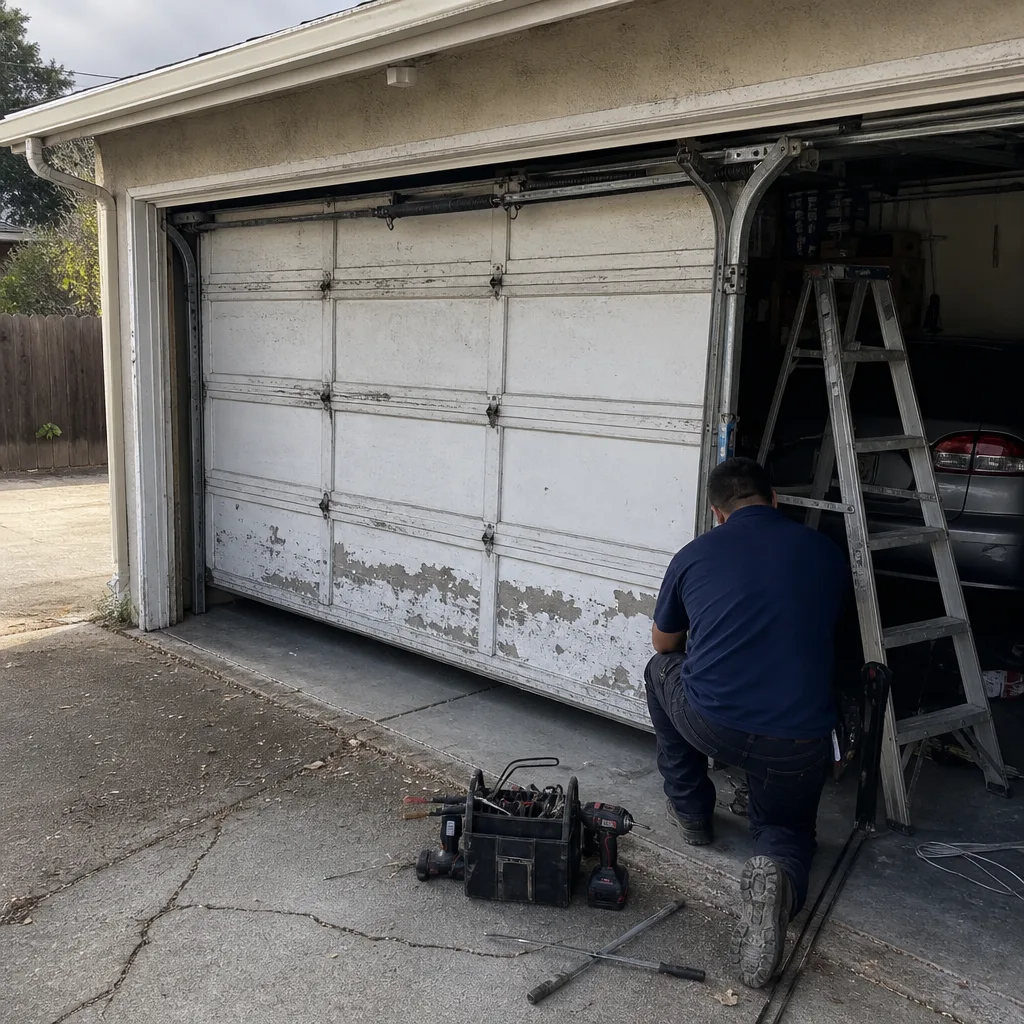
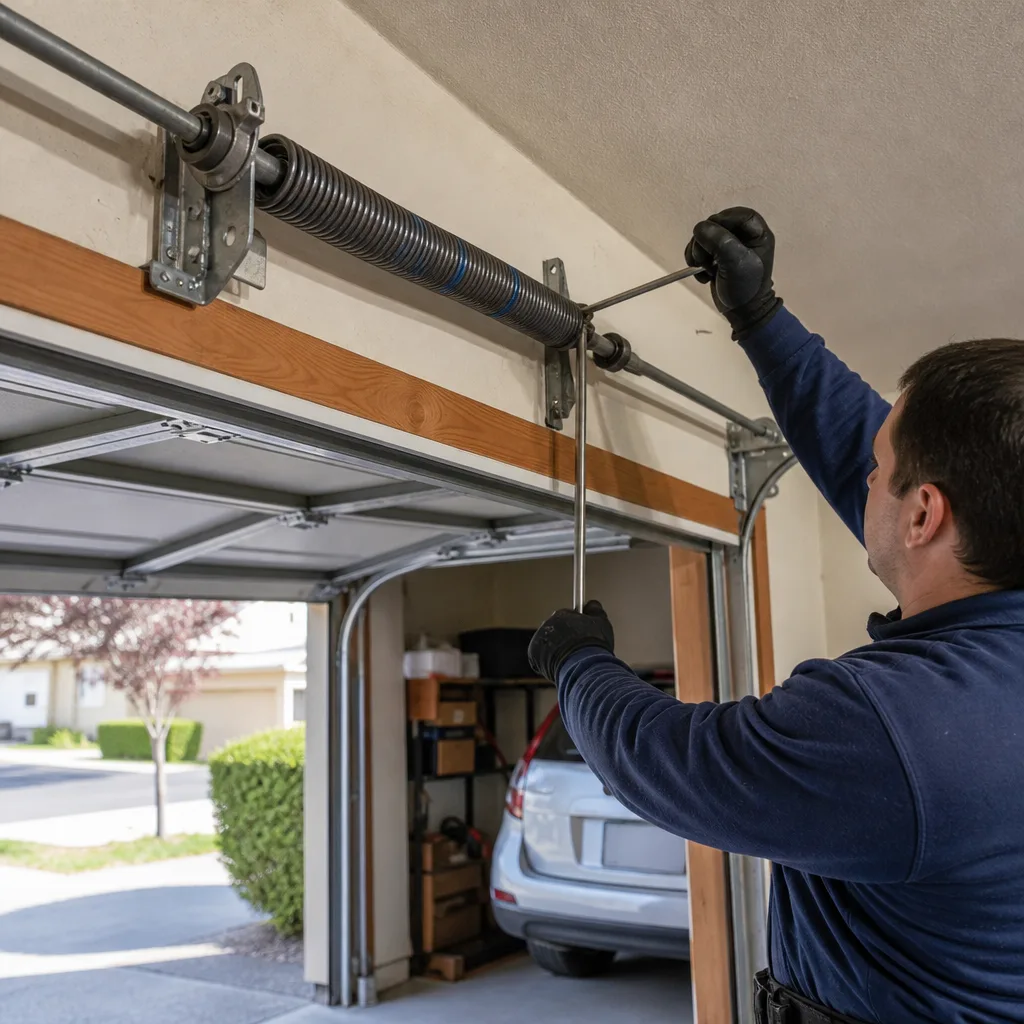
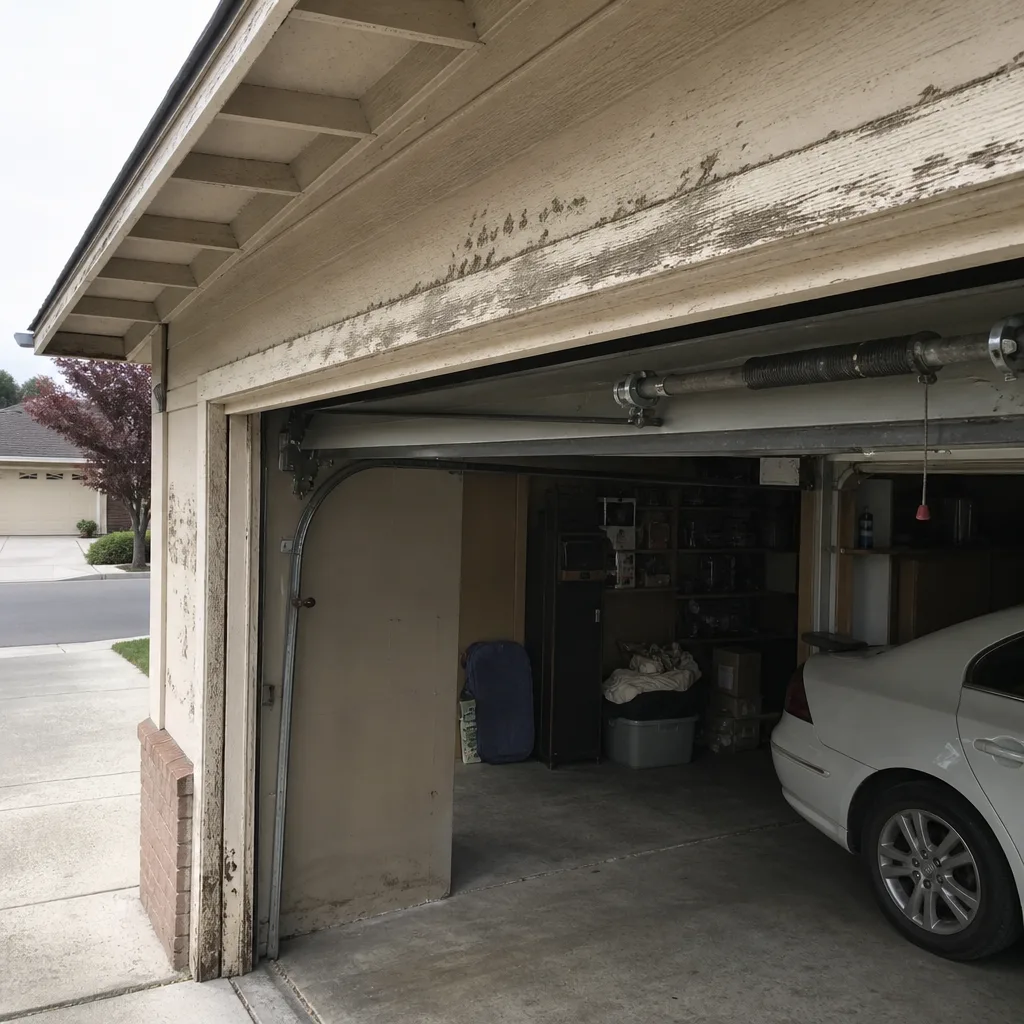
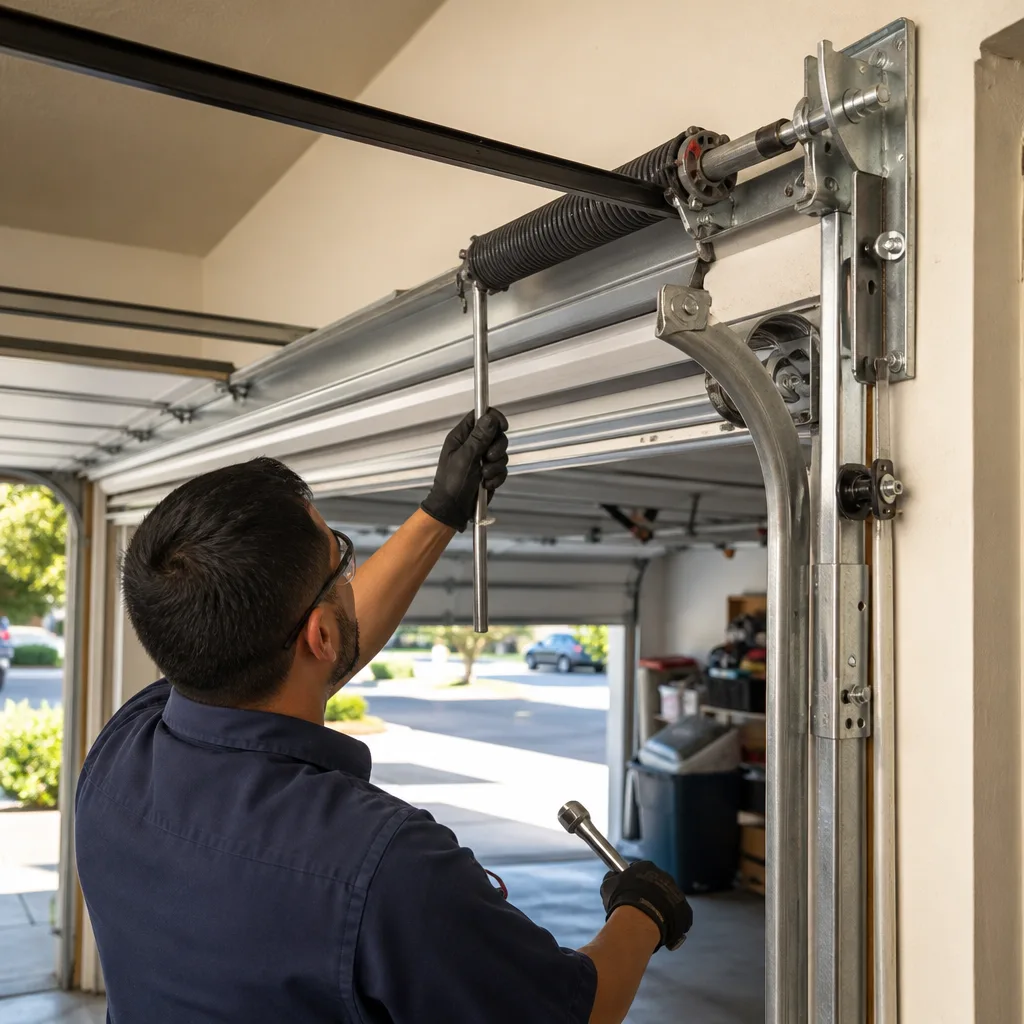
See the difference
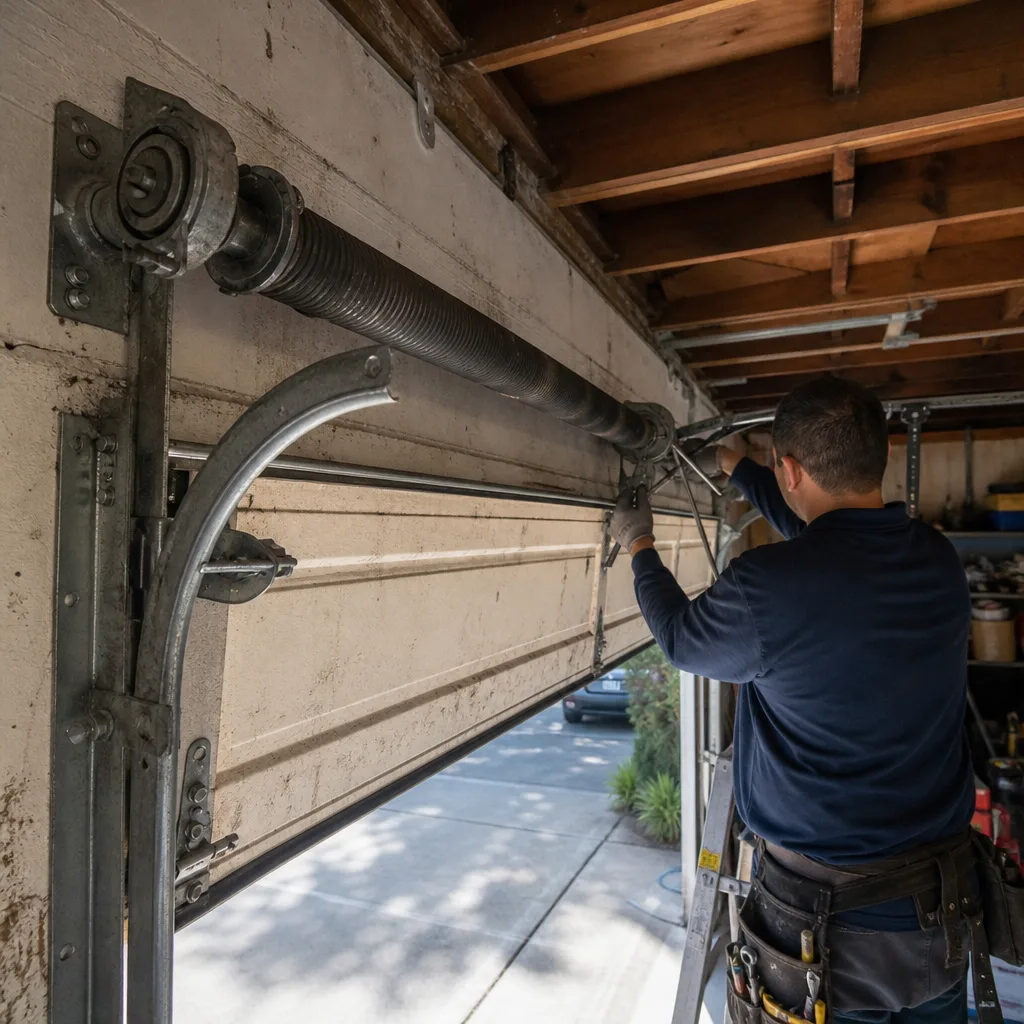 Before
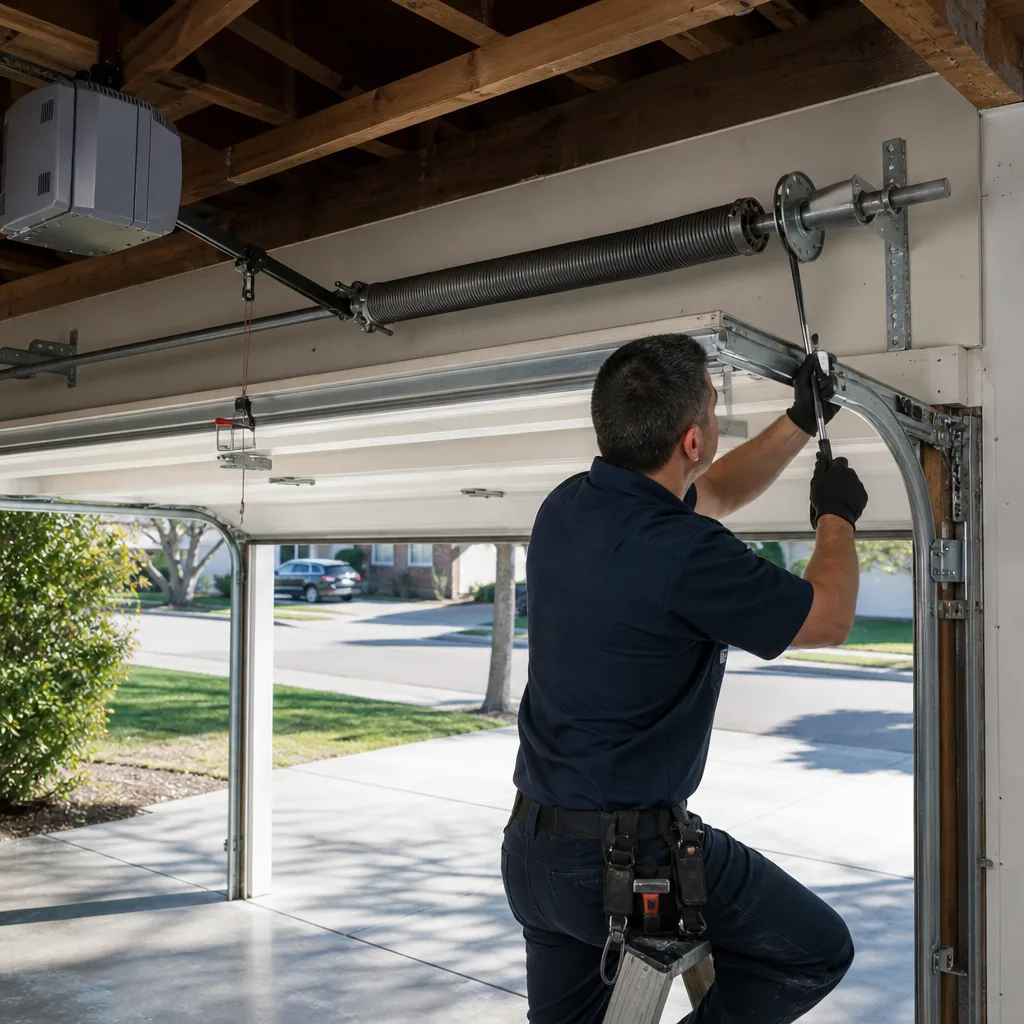 After
 Before
 After
 Before
 After