
Last updated November 2, 2026
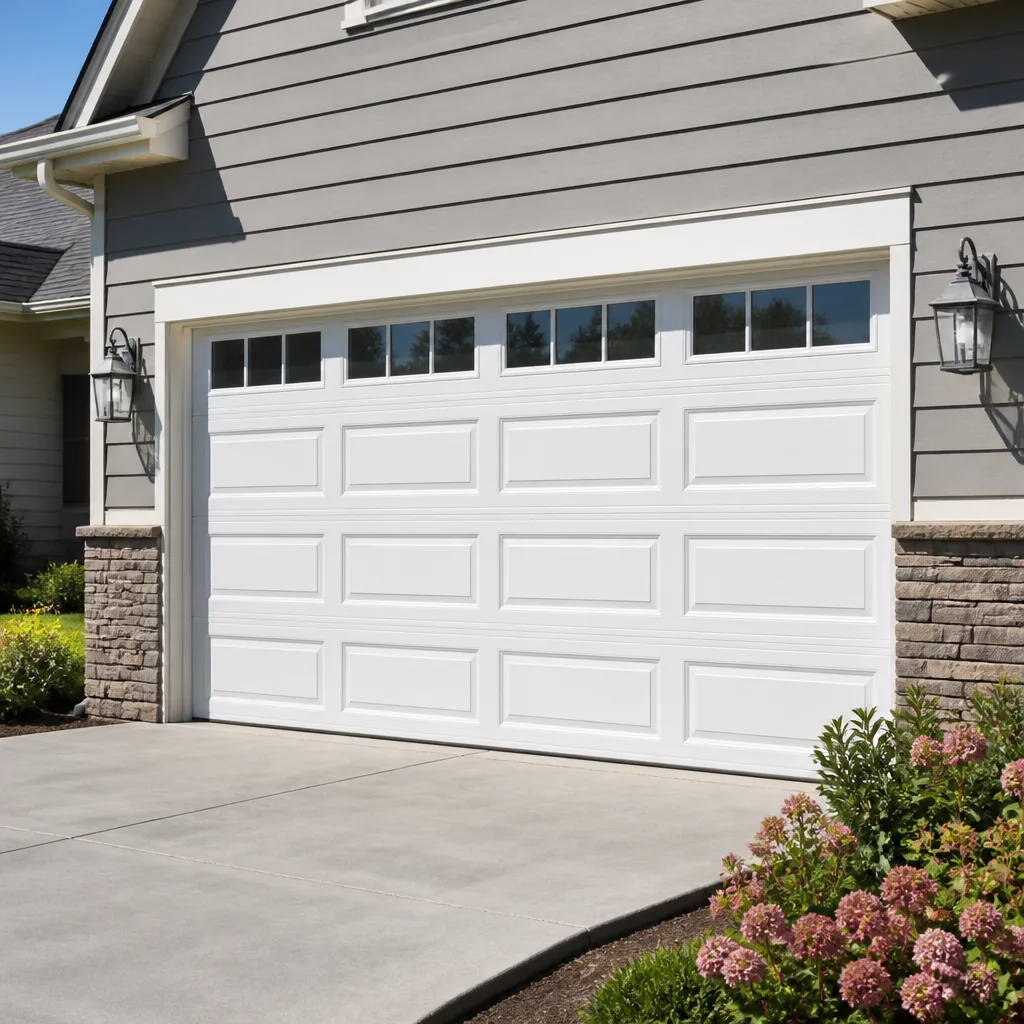 Raised-panel steel
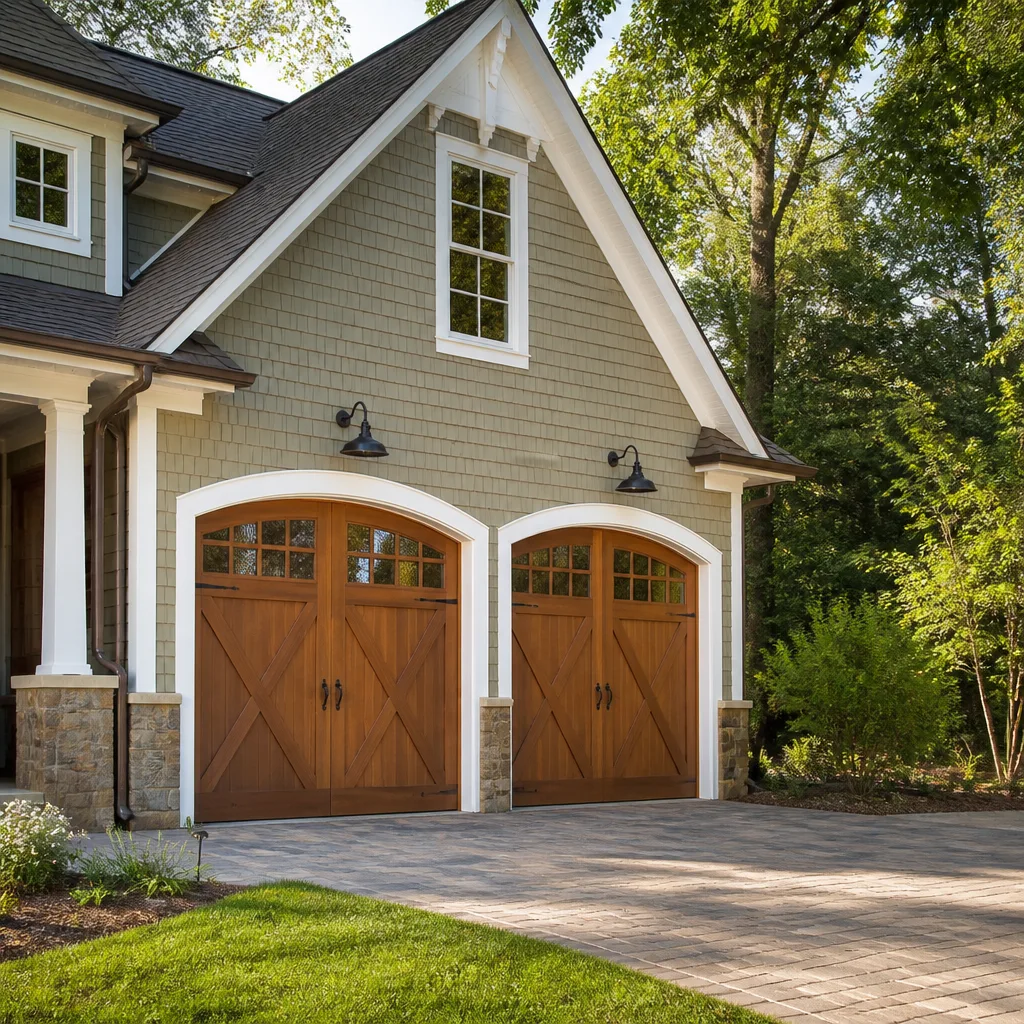 Carriage house
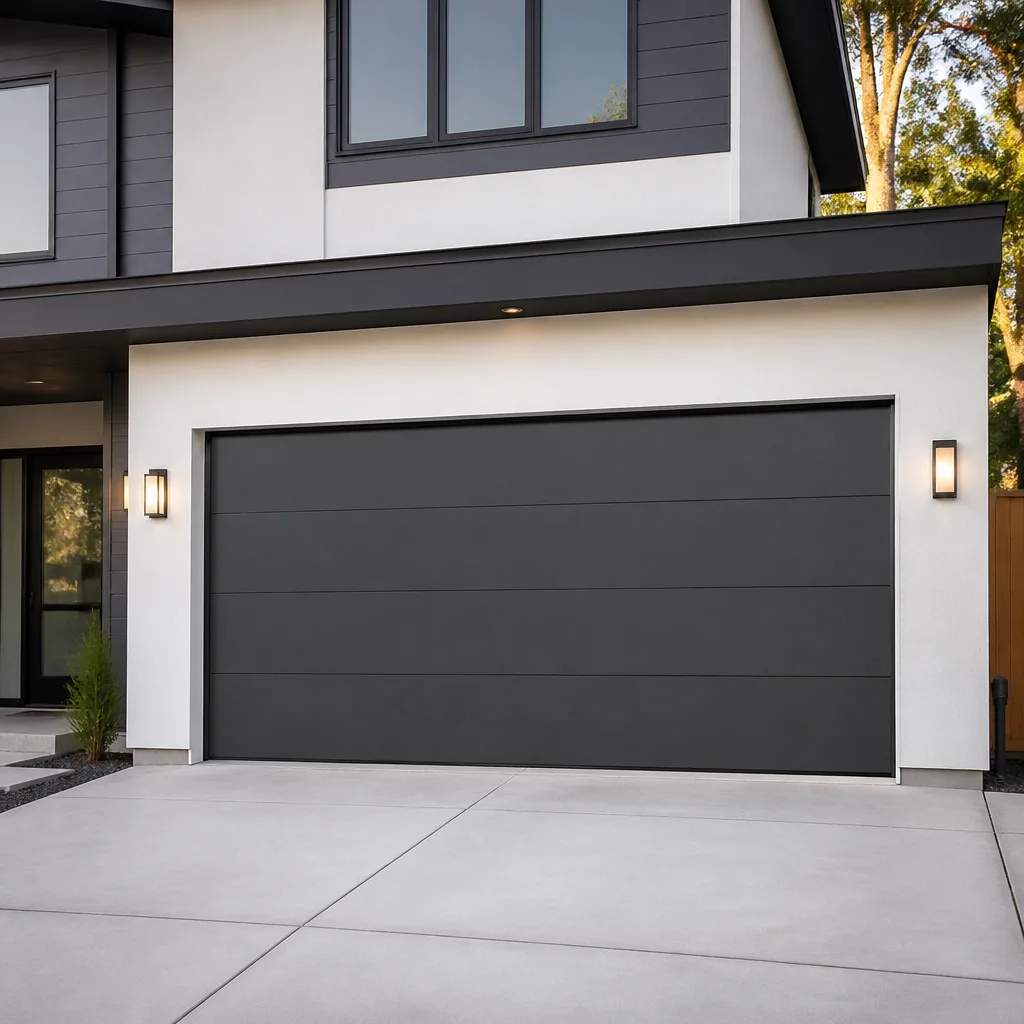 Modern flush
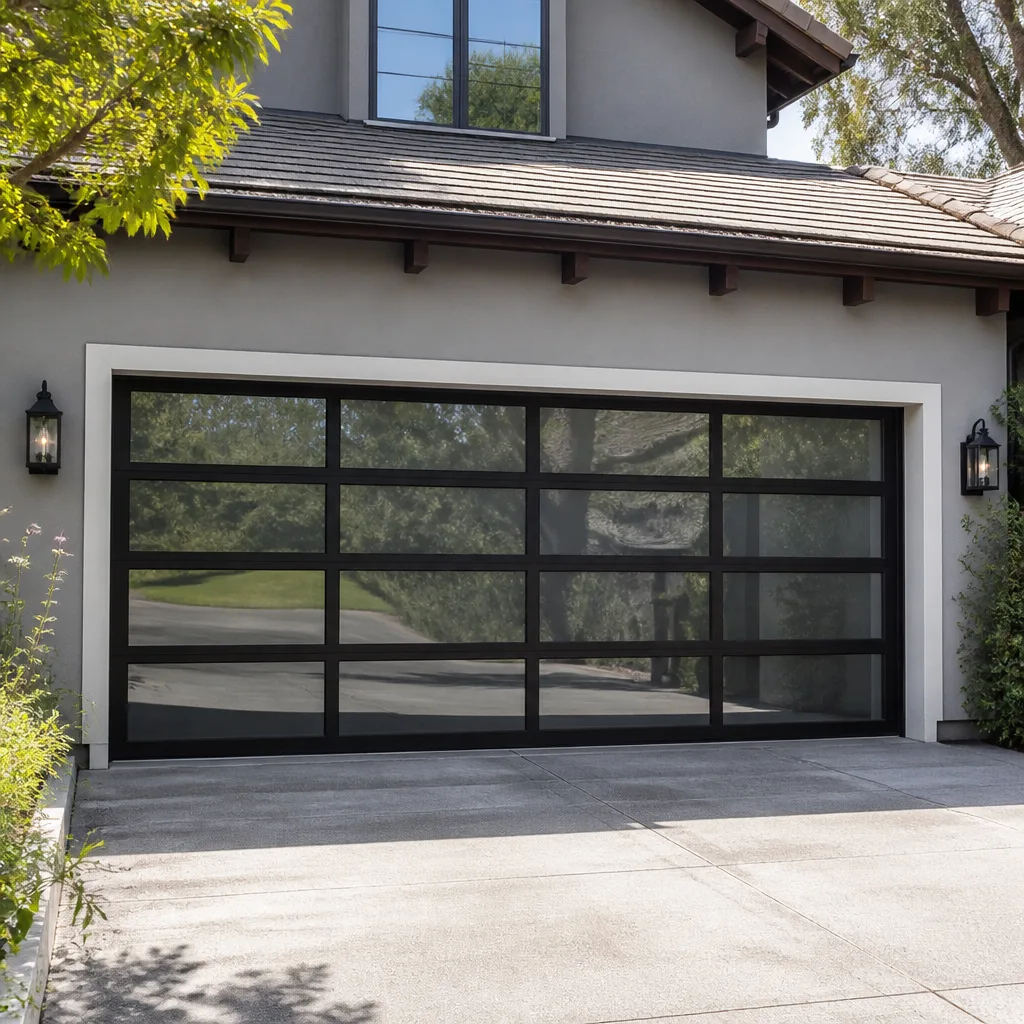 Full-view glass
 LiftMaster openers
 Chamberlain openers
Full 25-point door and opener safety check with every visit - springs, cables, rollers, tracks, and your LiftMaster or Chamberlain opener included
You get a price before we start. It does not change when the truck arrives.
Get your free estimateGarage Door Permits, Codes & Inspections in CA: What You Need to Know
Most homeowners in Sunnyvale are surprised to learn that replacing a garage door with a like-for-like unit typically requires no permit at all in California. But the exceptions to that rule are exactly where problems hide, and they tend to surface at the worst possible moment: during escrow, when a title company flags unpermitted work and the seller has to scramble. This guide draws the actual line between what needs a permit, what needs an inspection, and what you can do without either, and points you to Garage Door Repair Troubleshooting: Common Problems and How to Fix Them for related repair guidance. We’ll cover state code, Sunnyvale-specific requirements, the electrical permit question most opener installations raise, and the documentation you should keep in your home file for the life of the property.
Styles & brands we work with
- Raised-panel steel
- Carriage house
- Modern flush
- Full-view glass
- LiftMaster openers
- Chamberlain openers
Quick Answer
Most like-for-like garage door replacements in California do not require a building permit, including swapping a sectional steel door for another sectional steel door of the same size. However, any work that modifies the structural header above the door, changes the rough opening dimensions, or adds new electrical circuits for a garage door opener generally requires permits and inspections at both the state and Sunnyvale city level. When in doubt, the City of Sunnyvale Building Division can confirm in under ten minutes whether your specific job needs a permit.
Table of Contents
- The California Building Code and Your Garage Door: What Actually Applies
- Like-for-Like Replacement vs. New Installation: Where the Permit Line Sits
- Sunnyvale and Santa Clara County: Local Rules That Go Beyond State Code
- Garage Door Opener Wiring and Electrical Permits: What a Door Tech Can and Cannot Touch
- ADU Conversions and Garage Doors: When Repurposing Space Changes the Code Math
- What to Ask for in Writing Before the Job Starts
- The Inspection Process: How It Works in Sunnyvale
- Common Mistakes to Avoid
- When to Call a Professional
- Frequently Asked Questions
- The Bottom Line
The California Building Code and Your Garage Door: What Actually Applies
The California Building Code (CBC) is based on the International Building Code, but California amends it with state-specific provisions that affect residential garages in ways most homeowners never think about until they’re standing in front of a code enforcement officer. For garage doors, the key sections are Chapter 3 (Use and Occupancy Classification), Chapter 16 (Structural Design), and the California Residential Code (CRC) Section R309, which covers garages and carports specifically.
Here’s what these sections actually regulate for a residential garage door:
- Fire separation: CRC Table R302.6 requires a 20-minute fire-rated door or a solid wood door not less than 1-3/8 inches thick between a garage and living space. This matters when you’re replacing an attached garage door that connects to the house, not just the vehicle door.
- Wind load requirements: California’s varied climate zones mean different wind load standards depending on where you live. Sunnyvale’s location in the Santa Clara Valley means a design wind speed that’s moderate compared to coastal or mountain areas, but the manufacturer’s installation instructions must still reference the correct exposure category for your specific lot.
- Seismic bracing: Section R309.2 addresses garage door opening protection and the structural connections required in seismic design categories. California’s seismic requirements are stricter than most states, which is why the header above your garage door matters more here than in, say, Ohio.
In our experience working on doors across Sunnyvale and the wider South Bay, the most common code issue we see is a homeowner who replaced a garage door years ago and never kept the manufacturer’s installation documentation – something we cover in our Garage Door Repair Maintenance Checklist for Sunnyvale Homeowners. When a home goes up for sale, the buyer’s inspector may ask for proof that the door meets current wind load standards for the area, and without that paperwork, the seller is left trying to track down a contractor who may have retired or moved.
Like-for-Like Replacement vs. New Installation: Where the Permit Line Sits
The practical distinction that matters in California is this: replacing a garage door with one of the same type, same size, same weight, and same mounting configuration is generally classified as maintenance or repair, not new construction. That means no permit. But the moment you change the size of the rough opening, alter the header, or switch from a standard sectional door to something structurally different (like a roll-up door with a different support system), you’ve crossed into new installation territory, and the City of Sunnyvale expects a permit application.
Here’s the breakdown in plain terms:
- No permit needed: Removing a 16×7 sectional steel door and installing a new 16×7 sectional steel door in the same opening with the same track configuration. This is the most common replacement scenario in Sunnyvale neighborhoods like Ponderosa Park, Lakewood, and Cherry Chase.
- No permit needed: Replacing panels, springs, cables, rollers, or tracks on an existing door, as long as the structural connection points don’t change. Repair work falls under maintenance.
- Permit likely needed: Widening or heightening the garage opening, which means cutting into the header. This is structural work and requires engineering sign-off.
- Permit likely needed: Converting a single-car opening to a double-car opening, or vice versa. You’re changing the structural load path for the wall above the door.
- Permit likely needed: Installing a garage door where one didn’t exist before, such as adding a door to an enclosed carport or a new garage structure.
The reason this line exists is simple: like-for-like replacement doesn’t change the structural behavior of the building. The header, the shear walls, and the foundation were all approved for the original opening. A new door that fits that same opening doesn’t introduce new loads. But changing the opening changes the structural math, and that’s exactly what building codes exist to control.
If you’re in Sunnyvale and planning to replace a door on an older home, particularly in neighborhoods built before the 1980s, it’s worth confirming the rough opening dimensions against the door you’re ordering. Older garages sometimes have non-standard openings that were grandfathered under older codes, and a modern door sized for a standard opening may not fit without modification. That modification is what triggers the permit conversation.
Sunnyvale and Santa Clara County: Local Rules That Go Beyond State Code
California sets the floor, but cities can and do add their own layers. Sunnyvale’s Building Division operates under the California Building Standards Code with local amendments adopted through the Sunnyvale Municipal Code. What that means in practice for garage door work is a few specifics worth knowing before you start any project.
Sunnyvale requires a building permit for any garage door installation that changes the rough opening or modifies the structural header. The city’s permit application for this type of work typically requires a site plan showing the garage location, a structural detail for the header (if modified), and product specifications for the door being installed. The plan check for a structural modification typically runs two to four weeks depending on the current volume at the Building Division.
Santa Clara County has its own unincorporated areas where county rules apply, and those differ from city rules in an important way: the county is generally more permissive about agricultural and accessory structures but more strict about fire separation requirements in wildland-urban interface zones. If your property sits in the hills on the west side of Sunnyvale or in a county pocket, confirm your jurisdiction before assuming which rules control.
One thing we tell every Sunnyvale homeowner: call the Building Division and ask. The staff is genuinely helpful, the question takes under ten minutes, and the alternative is finding out during escrow that your unpermitted door modification needs to be retroactively permitted. That retroactive process is slower, more expensive, and more invasive than getting it right the first time.
Garage Door Opener Wiring and Electrical Permits: What a Door Tech Can and Cannot Touch
The most misunderstood part of garage door work in California is the electrical side. Here’s the short version: installing a new garage door opener that plugs into an existing ceiling receptacle in the garage does not require a separate electrical permit. The opener itself is an appliance, and plugging in an appliance is not regulated work. But the moment you need to add a new circuit, extend wiring, or install a new receptacle to power that opener, you’re in California Electrical Code territory, and that requires an electrical permit with the City of Sunnyvale.
A licensed garage door technician can legally unplug an existing opener, remove it, and install a new one in its place using the same existing receptacle. They can wire the low-voltage control circuit (the wall button and safety sensors) because that’s part of the opener system, not the building’s electrical system. What a door tech cannot do is run new line-voltage wiring, add a circuit to a panel, or wire a receptacle from scratch. That’s licensed electrician work in California, and no garage door company should offer to do it for you.
This matters in Sunnyvale specifically because many older homes, particularly those built in the 1950s through the 1970s in neighborhoods like Serra and Birdland, have garage receptacles on circuits that are already near capacity. If your new opener trips the breaker because it shares a circuit with a freezer and a washing machine, the fix isn’t a bigger breaker; it’s new wiring, and that’s an electrician’s job with a permit.
For opener repair, which is what we do most often at Commodore, the electrical permit question rarely comes up because we’re working on the opener’s mechanical and low-voltage components, not the building’s wiring. But when we install a new opener and the customer asks about adding a dedicated circuit, we tell them straight: we’ll coordinate with a licensed electrician, because that part of the job belongs to someone with a C-10 license in California.
ADU Conversions and Garage Doors: When Repurposing Space Changes the Code Math
California’s ADU laws have made garage conversions one of the most common residential projects in Sunnyvale, where lot sizes and housing demand make every square foot count. But converting a garage to living space changes what the code requires for the door, and the rules depend on whether you’re keeping the garage door or removing it.
Here’s what happens in the most common scenarios:
- Full conversion with door removal: If you’re framing in the garage opening and removing the door entirely, the new wall must meet the same insulation, fire separation, and structural requirements as any exterior wall. The City of Sunnyvale will treat this as part of the ADU permit, and the door removal is included in the overall plan review.
- Conversion with door retained: Some homeowners keep the garage door in place for aesthetic reasons while building a wall behind it. In this configuration, the garage door still needs to meet the original wind load requirements because it remains part of the exterior envelope. You can’t just leave a non-functional door hanging in the opening without maintaining its structural integrity.
- Partial conversion with new smaller door: If you’re shrinking the garage to create living space while preserving some storage, and you’re installing a smaller door, that’s a modified opening. Permit required, engineering review likely, and the new door must meet current code for its new size.
The trap we see homeowners fall into in Sunnyvale is assuming that because the ADU permit covers the conversion, the garage door work is automatically included. It’s not always. Some contractors will pull the ADU permit but treat the door as a separate scope, which means the door work may not be inspected as part of the conversion. If you’re doing an ADU conversion that involves the garage door, ask the general contractor to list the door scope explicitly in the permit application. Your garage door installation in Sunnyvale should never be an afterthought on a project like this.
What to Ask for in Writing Before the Job Starts
Most homeowners think permits are something the contractor either pulls or doesn’t, and that’s the end of the story. But the documentation you keep matters more than the work itself when it comes time to sell. Here’s what we recommend every Sunnyvale homeowner request in writing before garage door work begins:
- A written confirmation of whether the job requires a permit. If the contractor says no permit is needed, get that in writing with the specific reasoning. “Like-for-like replacement, same rough opening dimensions, no structural modification” is what you want to see.
- The manufacturer’s installation manual for the specific door model being installed. This documents that the door was installed per manufacturer specifications, which is a code requirement in its own right.
- The product data sheet showing the wind load rating for your area. Sunnyvale’s design wind speed means the door must be rated for the appropriate exposure. Keep this in your home file.
- Proof of the contractor’s California license and workers’ compensation insurance. If something goes wrong during installation, you want to know the contractor carries the coverage to make it right.
- A detailed invoice that lists the door brand, model, size, and the work performed. This creates a paper trail that will answer a future buyer’s inspector questions about what was done and when.
For opener work, the key document is the electrical permit, if one was required. If no permit was needed because the opener plugs into an existing receptacle, that’s a statement worth having in writing from the contractor. When a home inspector questions the opener installation during a sale, you want a clear, documented answer.
The Inspection Process: How It Works in Sunnyvale
When a permit is required for garage door work in Sunnyvale, the inspection process follows a predictable path. Understanding it before you start helps set expectations for timeline and disruption.
Here’s the flow, step by step:
- Permit application: You or your contractor submits plans to the City of Sunnyvale Building Division. For structural work, expect a plan review period of two to four weeks.
- Plan review: A city plans examiner reviews the structural details, the door specifications, and the proposed scope of work. If changes are requested, there’s a revision cycle.
- Permit issuance: Once approved, the permit is issued and posted at the job site. Work can begin.
- Rough inspection: For structural work, the inspector checks the header, framing, and any new supports before the door is installed and before any wall finishes cover the work. This is the most critical inspection, and missing it means tearing out finished work later.
- Final inspection: After the door is installed, the inspector verifies the installation matches the approved plans: correct door, correct hardware, correct wind load rating, proper fire separation if applicable.
- Closeout: The inspector signs off, and the permit is closed. Keep this documentation with your home records.
In Sunnyvale, inspections are scheduled by phone or through the city’s online portal. Typical wait times are one to three business days depending on the specific inspection type and current volume. If you’re using a contractor, make sure they handle the scheduling and that you receive copies of all inspection reports, not just the final sign-off.
Common Mistakes to Avoid
- Assuming every door replacement needs a permit. Most don’t. Paying for a permit you don’t need is wasted money and time. But check before you assume the other direction too.
- Assuming no door replacement ever needs a permit. This is the more dangerous assumption. If you’re changing the opening size or the structure above it, skipping the permit creates a liability that follows the house until the work is disclosed and corrected.
- Using a handyman for structural garage door work. In Sunnyvale, garage door companies exist that specialize in this work. A general handyman may not carry the right insurance or know the California-specific code requirements for wind load and seismic detailing. We see the results of handyman door installations regularly on service calls, and the fixes cost more than hiring the specialist initially would have.
- Not documenting like-for-like replacements. Even when no permit is needed, you should keep the invoice, the product data sheet, and the installation manual. A future buyer’s inspector will ask, and “the contractor said it was fine” is not documentation.
- Treating the opener as part of the door for permit purposes. The door and the opener have different code paths. An opener that requires new wiring needs an electrical permit regardless of whether the door replacement needed one.
- Converting a garage to living space without addressing the door. An ADU conversion that leaves a garage door in place creates a wall assembly that needs to meet exterior wall standards. Skipping this detail means failing the ADU inspection.
When to Call a Professional
You should call a garage door professional at Commodore Garage Door Repair home when the work involves anything beyond a straightforward like-for-like replacement or a simple repair. Specifically: any time the rough opening changes or the header needs modification, that’s structural work requiring engineering and a permit. When a new opener needs wiring beyond plugging into an existing receptacle, you need both an electrician and a door tech who can coordinate the install. When you’re planning an ADU conversion that involves the garage door, bring the door scope into the conversation early, not after the plans are drawn. And when you’ve inherited an unpermitted door installation from a previous owner, the fix starts with a professional assessment of what was done and what it will take to bring it into compliance. Commodore Garage Door Repair offers free estimates in Sunnyvale. Call (877) 358-3130.
Frequently Asked Questions
No, a permit is not required for a like-for-like garage door replacement in California where the door type, size, and mounting configuration remain the same. A permit is required when the rough opening changes, the structural header is modified, or the door is part of new construction. Call the City of Sunnyvale Building Division to confirm your specific project before work starts.
A garage door opener installation does not require a separate electrical permit in Sunnyvale as long as the opener plugs into an existing ceiling receptacle. If new wiring, a new circuit, or a new receptacle is needed to power the opener, an electrical permit is required and the work must be done by a licensed C-10 electrician. Call (877) 358-3130 and we’ll tell you which category your opener job falls into.
A garage door permit in Sunnyvale typically takes two to four weeks for plan review when structural work is involved, plus one to three business days to schedule each required inspection. Simple permit applications without structural changes can move faster. The timeline depends on current Building Division volume and whether the initial submittal has any plan-check corrections.
If you complete garage door work that required a permit without obtaining one, the unpermitted work can surface during a home sale as a disclosure item, triggering a retroactive permit process that may require opening finished walls for inspection and paying penalties. The work may also be flagged by a future insurance claim related to the garage. Retroactive permitting in Sunnyvale is slower and more expensive than getting the permit first.
Yes, a licensed garage door contractor can pull the building permit for door work in Sunnyvale, and most reputable companies will include this scope in their contract. What a garage door company cannot do is pull an electrical permit for wiring work; that requires a licensed electrician. If your project needs both types of permits, coordinate them so the inspections align.
Yes, converting a garage to an ADU in Sunnyvale changes the code requirements for the garage door because the door either becomes part of a conditioned living space wall or must remain structurally sound as a retained exterior feature. If the door is removed and the opening framed in, the new wall must meet exterior wall standards for insulation, fire separation, and structural integrity. If the door is retained for aesthetics, it must still meet wind load requirements for the area.
Garage door permit costs in Sunnyvale vary based on the scope of work and the valuation of the project, with structural modifications incurring higher plan-review and inspection fees than simple replacements. Contact the City of Sunnyvale Building Division for a current fee schedule, or ask your contractor to itemize permit costs in the written estimate before you sign. Estimates are free. Call (877) 358-3130.
Yes, you should keep the invoice, the product data sheet, the manufacturer’s installation manual, and any permit or inspection documentation from your garage door replacement in your permanent home file, and see our more guides & resources for other homeowner essentials. When you sell your Sunnyvale home, the buyer’s inspector may ask for proof that the door meets current code, and having the paperwork on hand prevents a sale delay. If no permit was required, keep the written confirmation from your contractor explaining why.
The Bottom Line
Garage door permits in California are simpler than most homeowners think, but the exceptions carry real consequences. A like-for-like replacement in Sunnyvale rarely needs a permit, which is good news for most repairs and standard replacements. But structural changes, new electrical wiring for openers, and ADU conversions all navigate permit and inspection processes that are cheaper and easier to handle before work starts than after the walls are closed. Keep your documentation. Ask the direct questions. And when the scope gets complicated, get a professional assessment before you commit to the project. For homeowners in Sunnyvale and the surrounding South Bay, garage door repair in Sunnyvale and garage door opener repair in Sunnyvale are services we provide with the code compliance and documentation discipline this guide describes.
Written by the team at Commodore Garage Door Repair, serving Sunnyvale since 2015.
See the difference
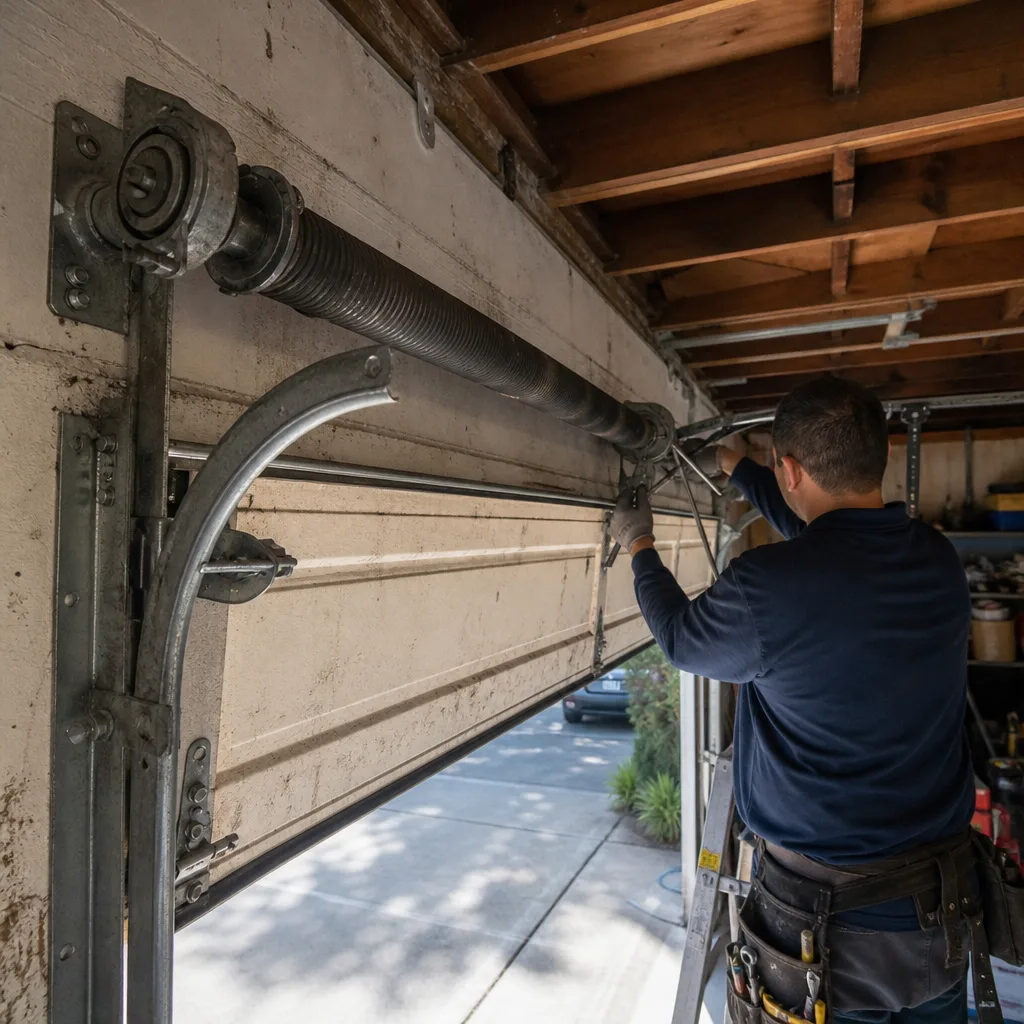 Before
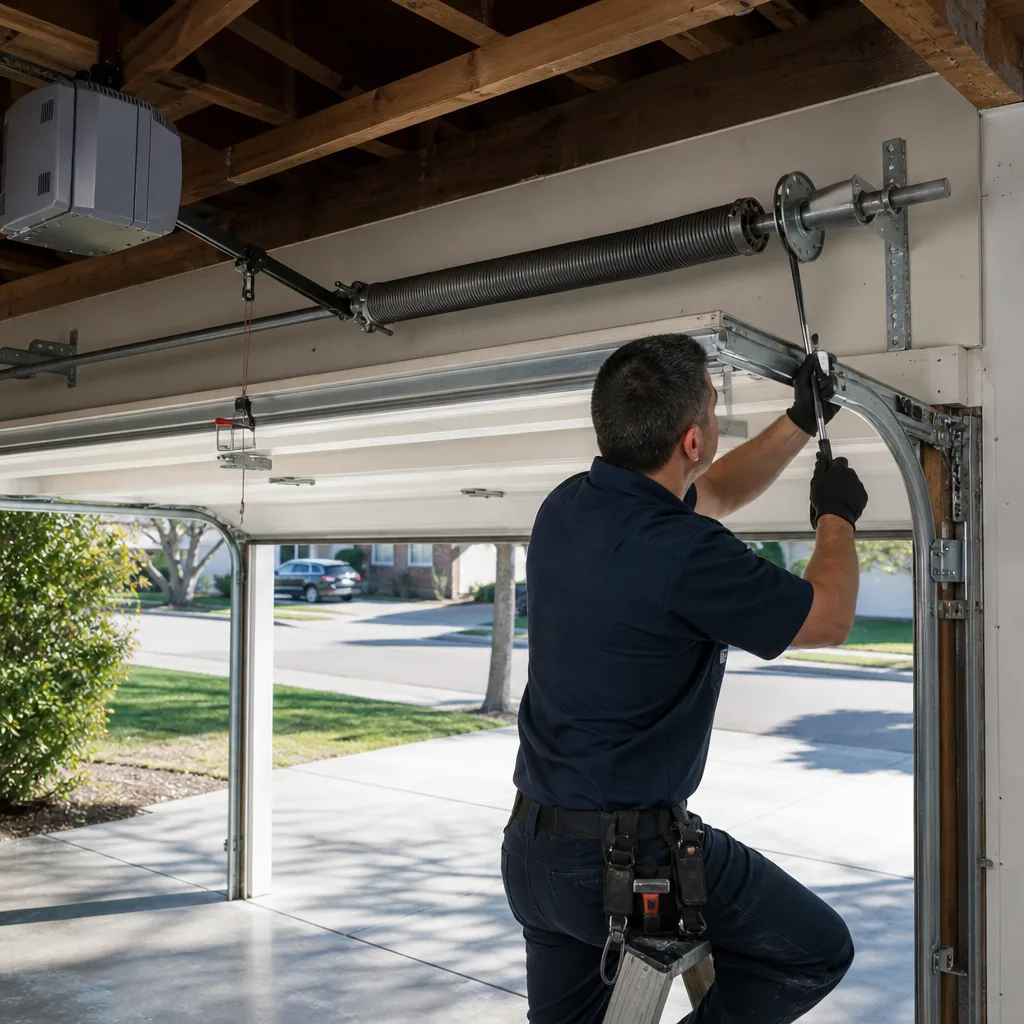 After
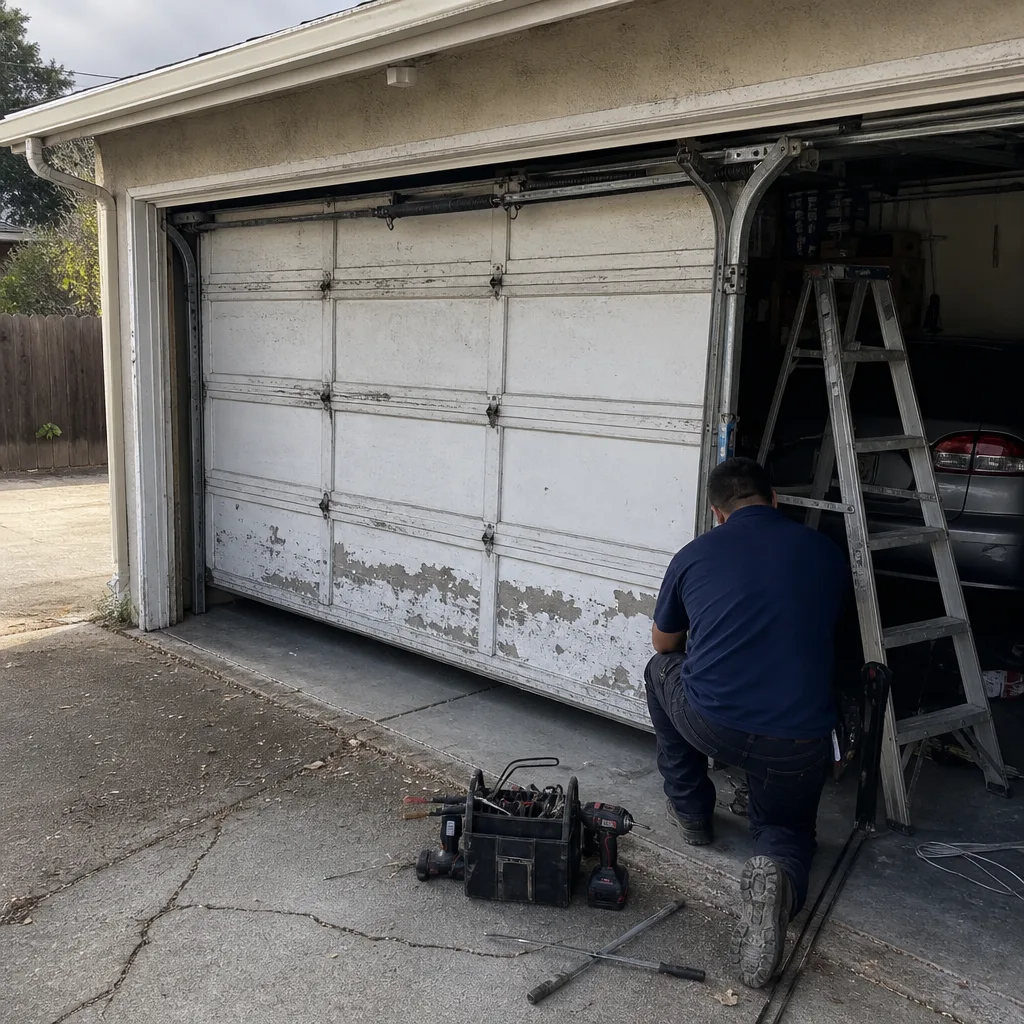 Before
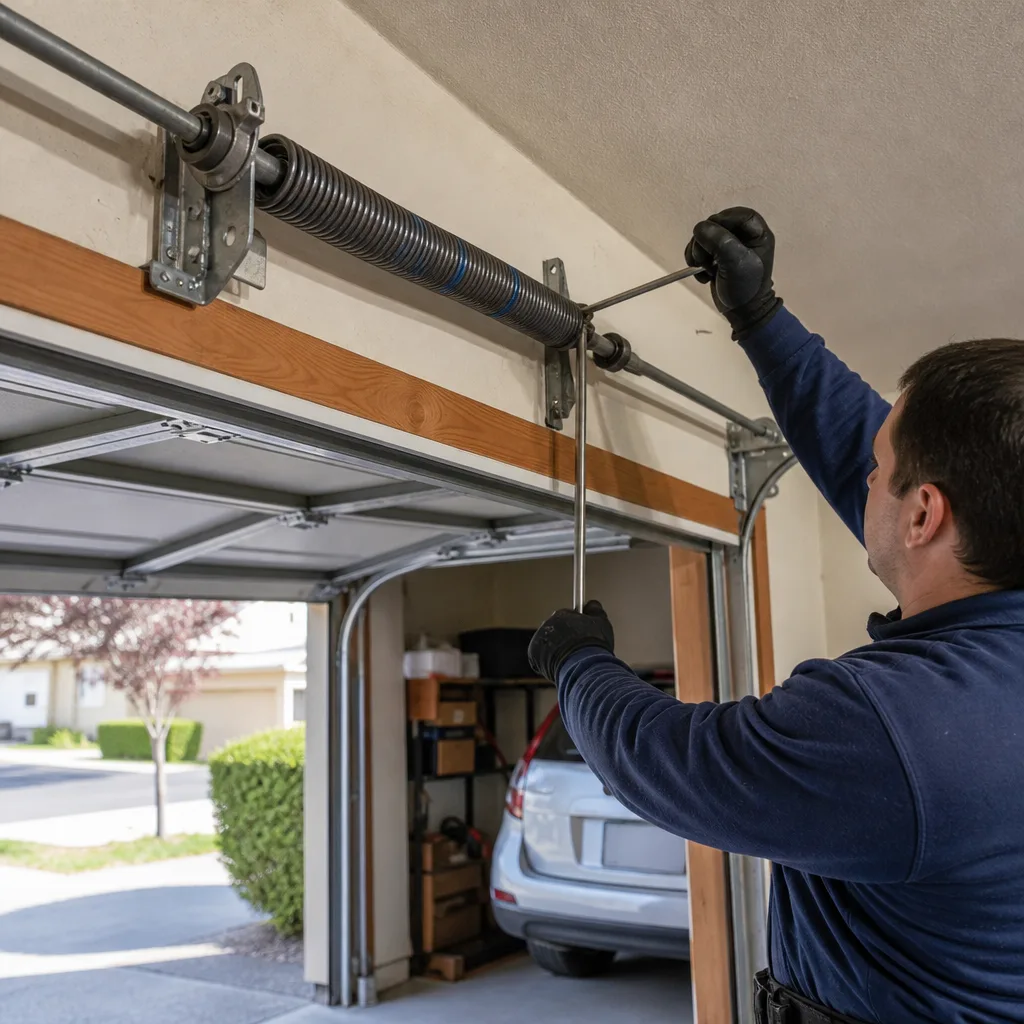 After
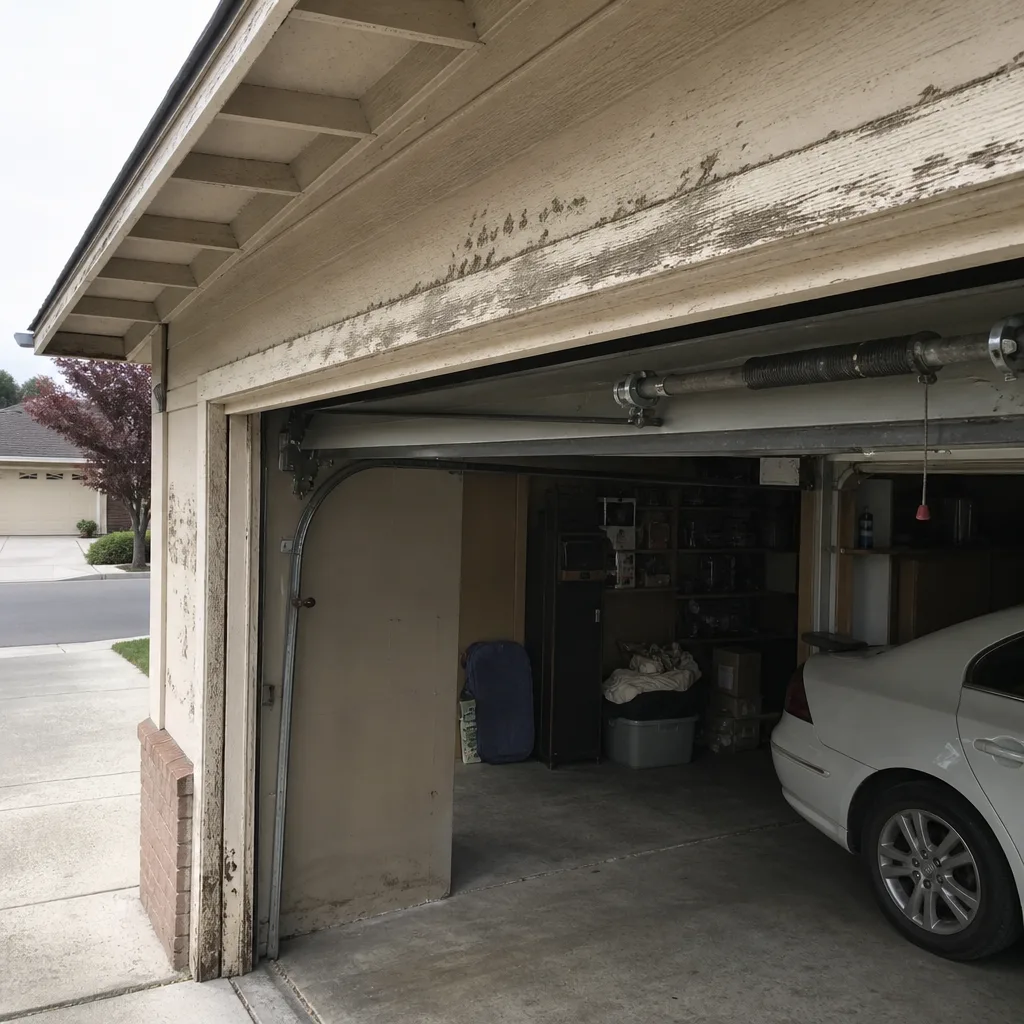 Before
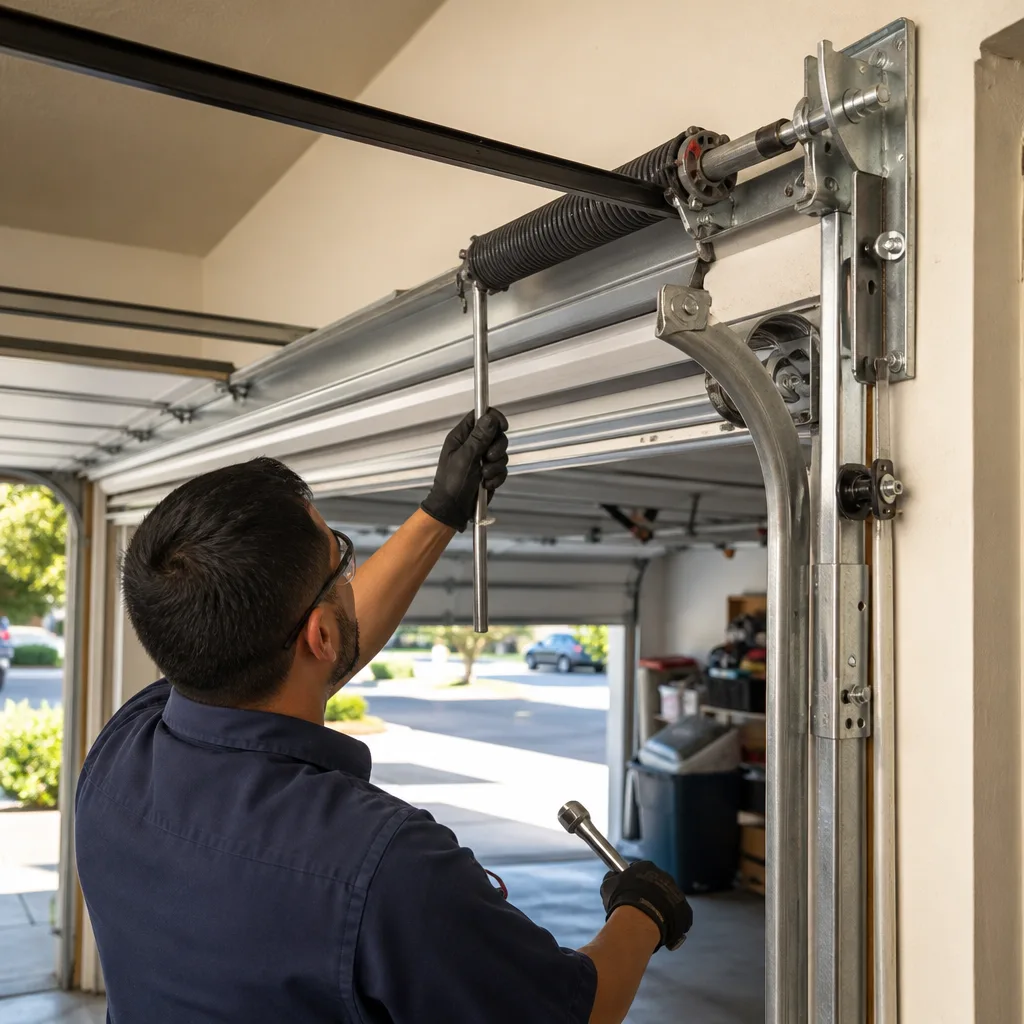 After